
Shaved Head Scalp Micropigmentation In Austin, Texas.
Shaved-head SMP uses tiny pigment impressions to recreate the appearance of closely shaved hair.
- A hairline customized to your features.
- Follicle texture and blending designed around your scalp.
- A cosmetic effect that does not grow hair.
Explore real client results, treatment options and what to expect at our Austin studio.
AUSTIN, TX
Is Shaved-Head SMP Right For You?
Understand the finished look, who it suits, and how it differs from density SMP.
The look of a shaved head.
- Rebuild the appearance of your hairline.
- Blend areas of hair loss with closely shaved hair.
- SMP is a visual effect; it does not grow hair.
Read more about shaved-head SMP
- Thousands of pigment impressions create the visual texture of closely shaved follicles.
- This is a cosmetic effect: SMP does not grow hair or create new follicles.
- Depending on your hair loss, treatment may cover the front, middle and crown, with lighter blending into the sides and back.
- Impression size, spacing, distribution, healed color, depth and blending are planned together.
- Significant hair loss with a preference for a shaved look
- Receding hairline or thinning hair with willingness to maintain a very short cut
- Clients who do not plan to rely on longer hair for the finished appearance
- Some clients seeking visual scar camouflage or treatment around areas of alopecia, after individual evaluation
- Clients who understand SMP is long-lasting but will gradually fade and may need maintenance
- Someone who wants to keep longer hair and does not want to shave regularly
- Someone expecting SMP to grow hair or behave like transplanted hair
- Fresh transplant or surgical areas that have not completed the healing period required by our studio
- Someone unsure about committing to a shaved or very short hairstyle
- Someone whose goals are better served by density SMP rather than a shaved-head treatment
Recreate shaved follicle texture.
Designed to be worn shaved or extremely short. Impressions are generally softer, smaller, lighter and more visibly separated because the goal is to mimic individual shaved follicles with more scalp showing between them.
Reduce visible scalp beneath existing hair.
Density SMP works within existing hair to reduce scalp contrast. Depending on the client, the pattern may be visually denser and darker because it is designed to create shadow beneath surrounding hair rather than imitate an exposed shaved scalp.
Results & Hairline Planning.
Choose the examples you want to see. Use the arrows to explore each gallery.
Tap to enlarge ↗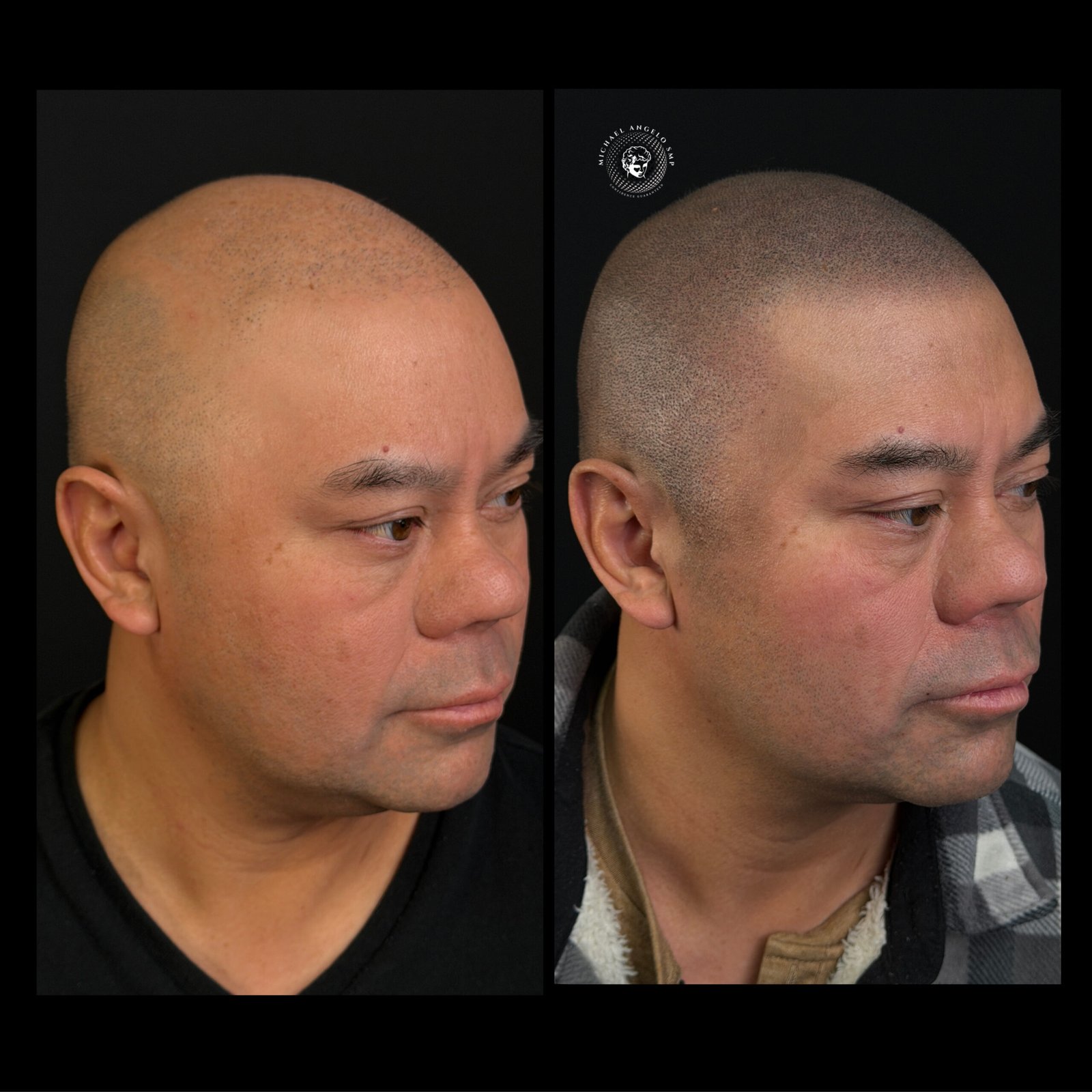 Tap to enlarge ↗
 Tap to enlarge ↗
 Tap to enlarge ↗
 Tap to enlarge ↗
 Tap to enlarge ↗
 Tap to enlarge ↗
 Tap to enlarge ↗
 Tap to enlarge ↗
 Tap to enlarge ↗
 Tap to enlarge ↗
 Tap to enlarge ↗
 Tap to enlarge ↗
 Tap to enlarge ↗
 Tap to enlarge ↗
 Tap to enlarge ↗
 Tap to enlarge ↗
 Tap to enlarge ↗
 Tap to enlarge ↗
 Tap to enlarge ↗
 Tap to enlarge ↗
 Tap to enlarge ↗
 Tap to enlarge ↗
 Tap to enlarge ↗
 Tap to enlarge ↗
 Tap to enlarge ↗
 Tap to enlarge ↗
 Tap to enlarge ↗
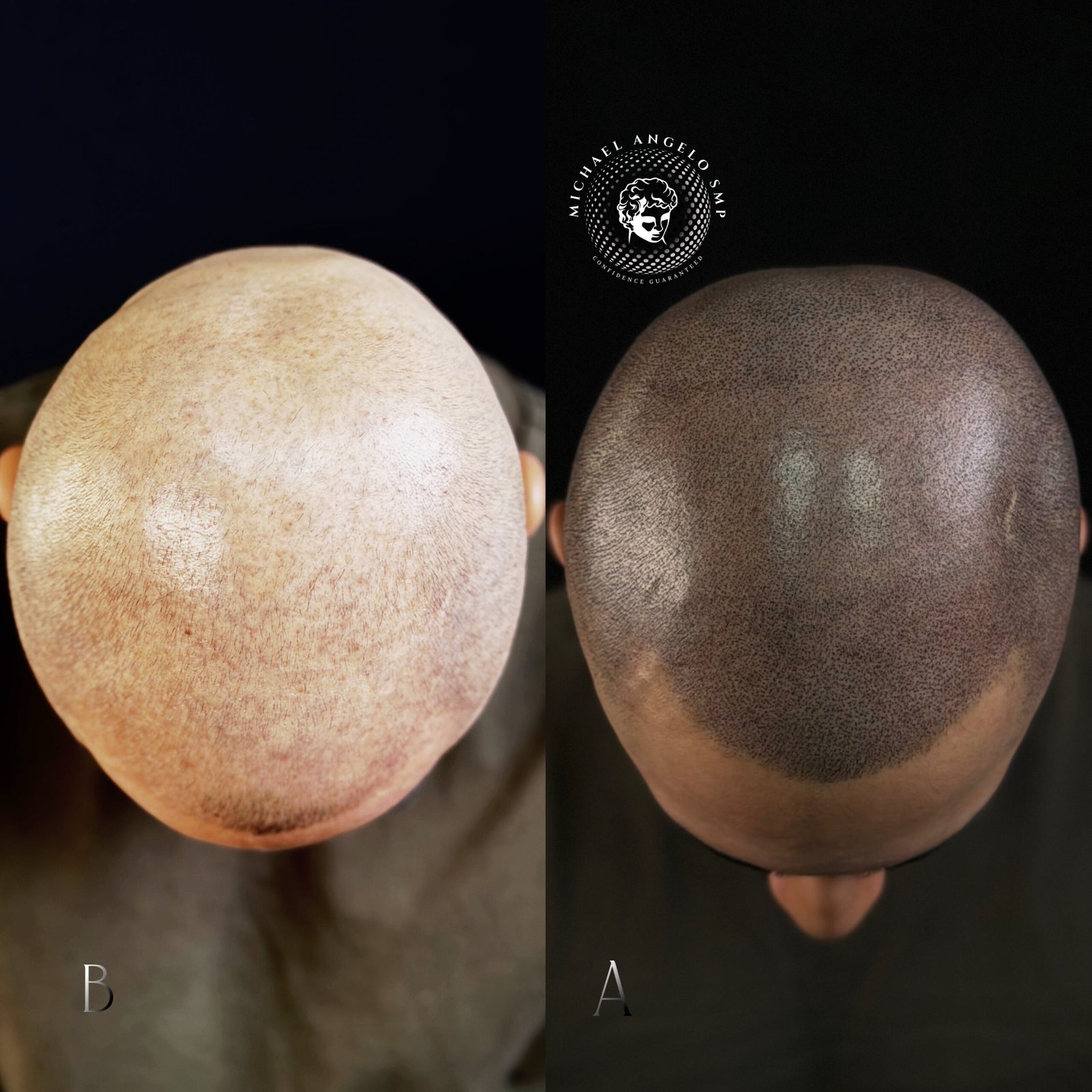 Tap to enlarge ↗
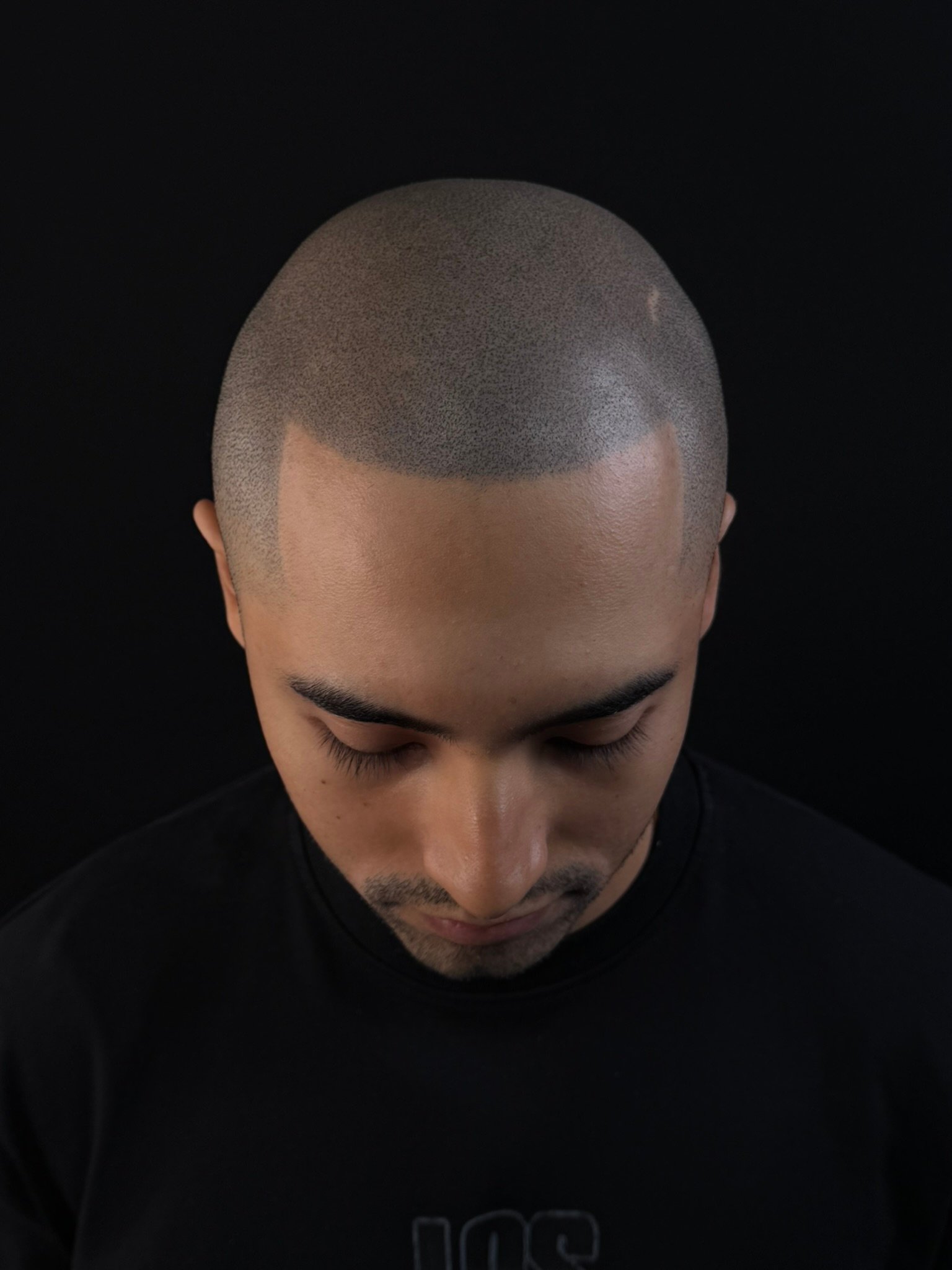 Tap to enlarge ↗
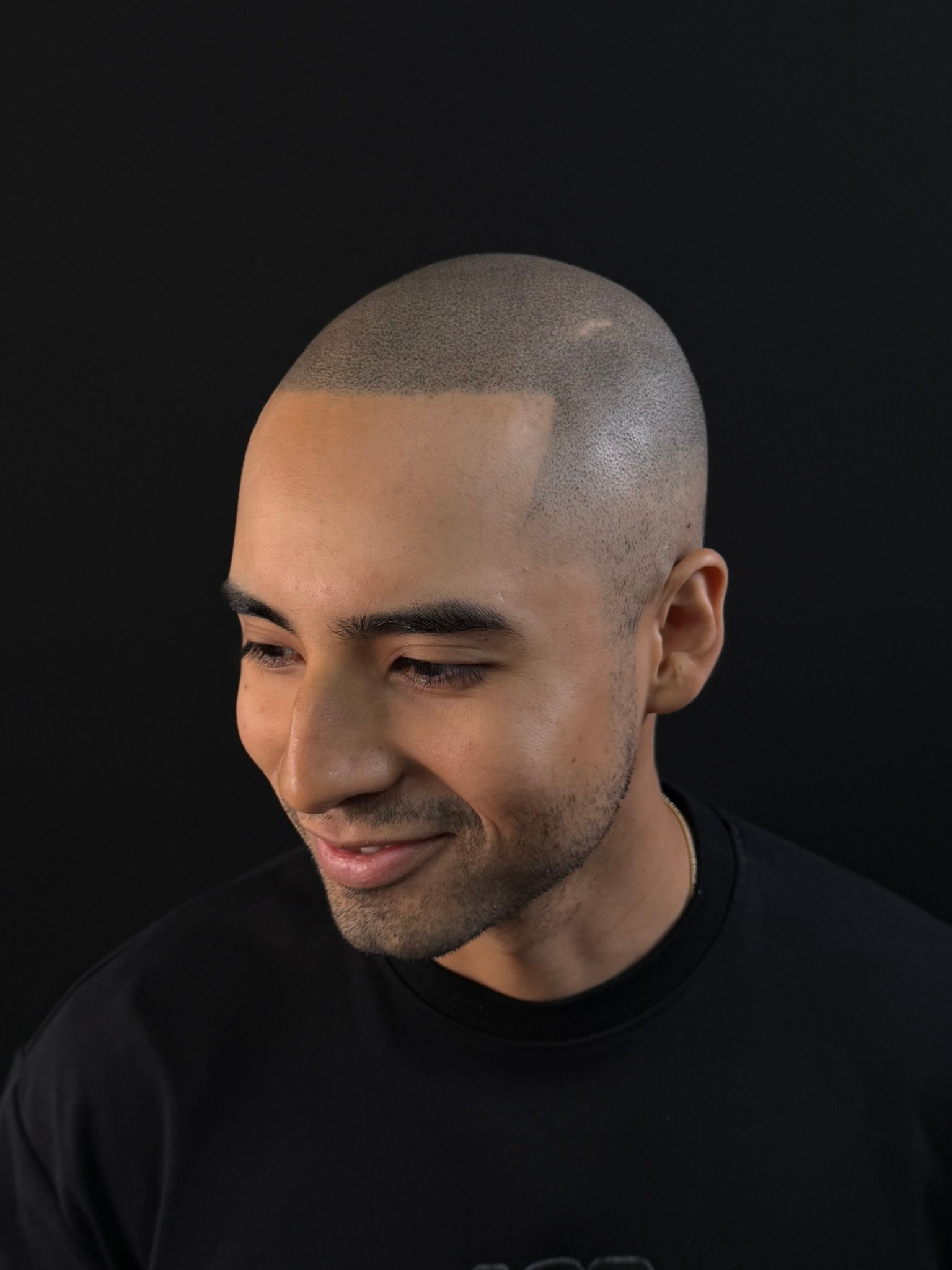 Tap to enlarge ↗
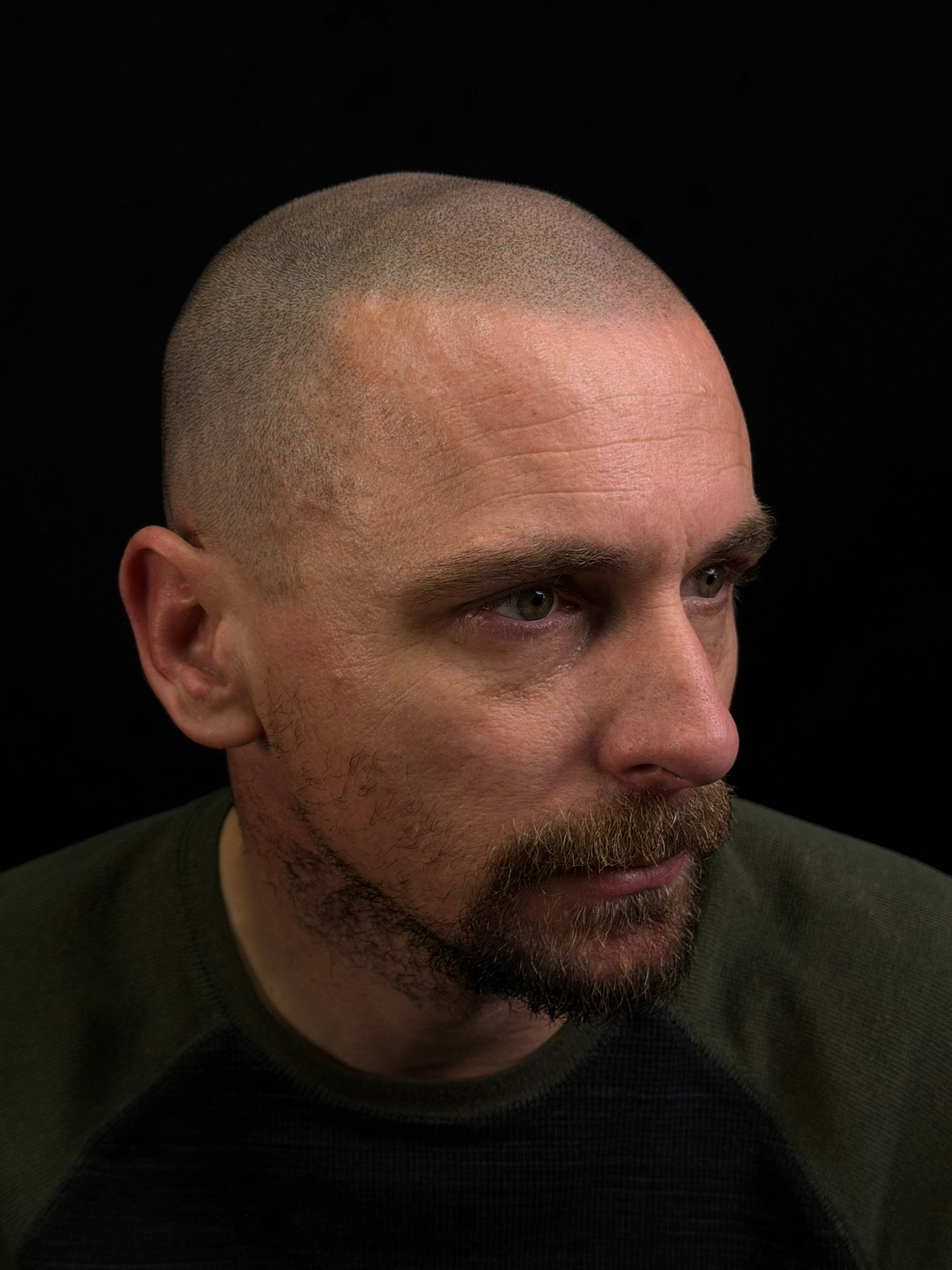 Tap to enlarge ↗
 Tap to enlarge ↗
 Tap to enlarge ↗
 Tap to enlarge ↗
 Tap to enlarge ↗
 Tap to enlarge ↗
 Tap to enlarge ↗
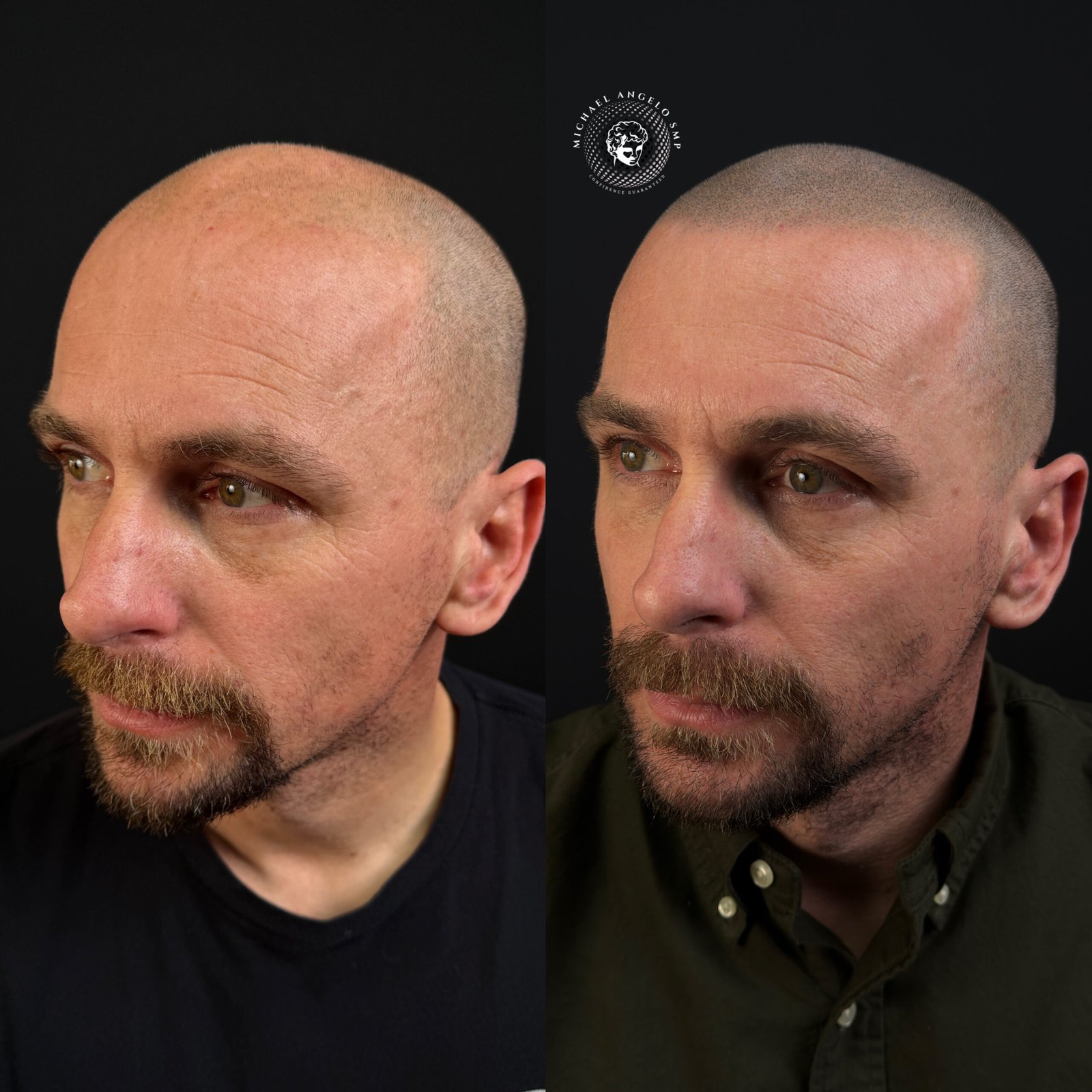
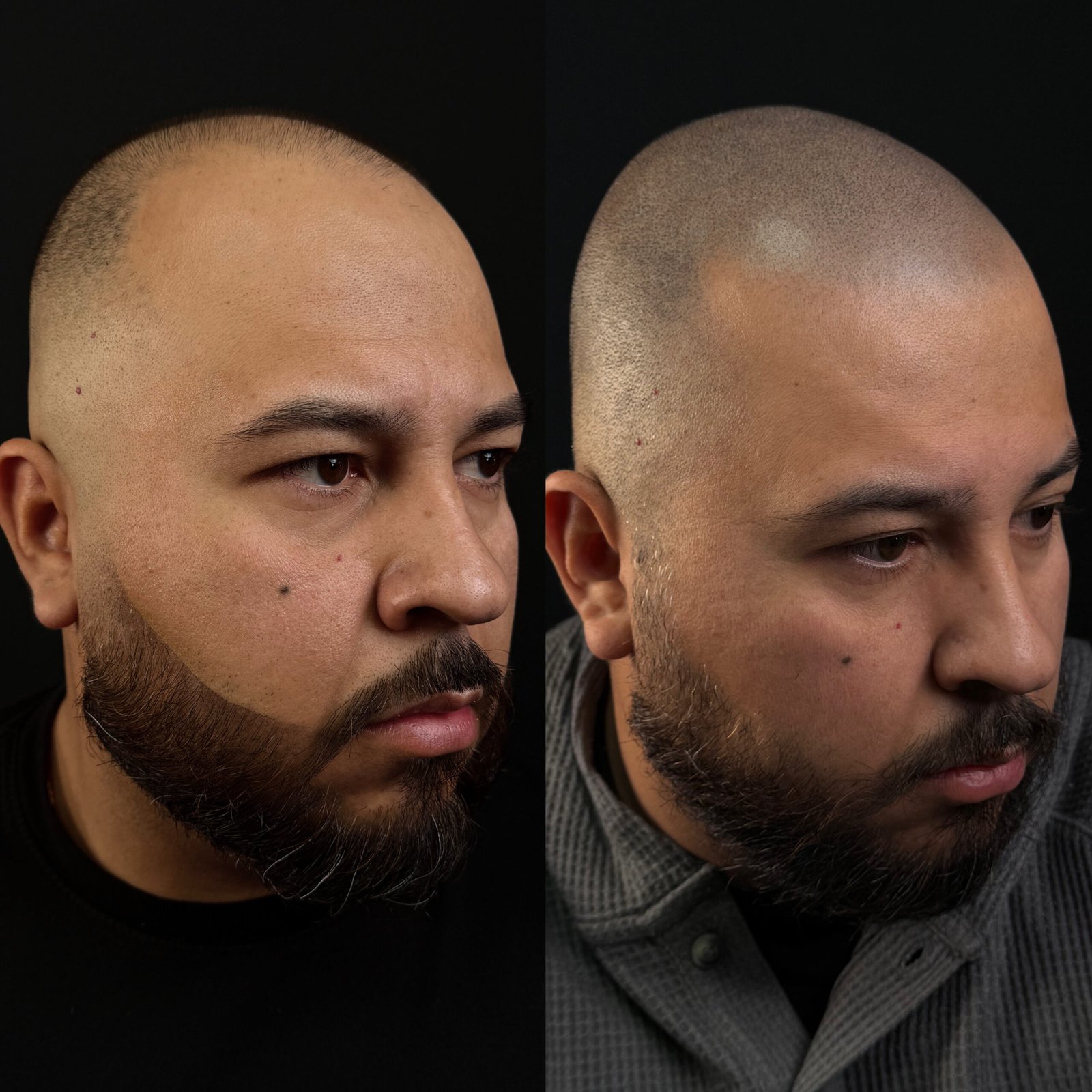
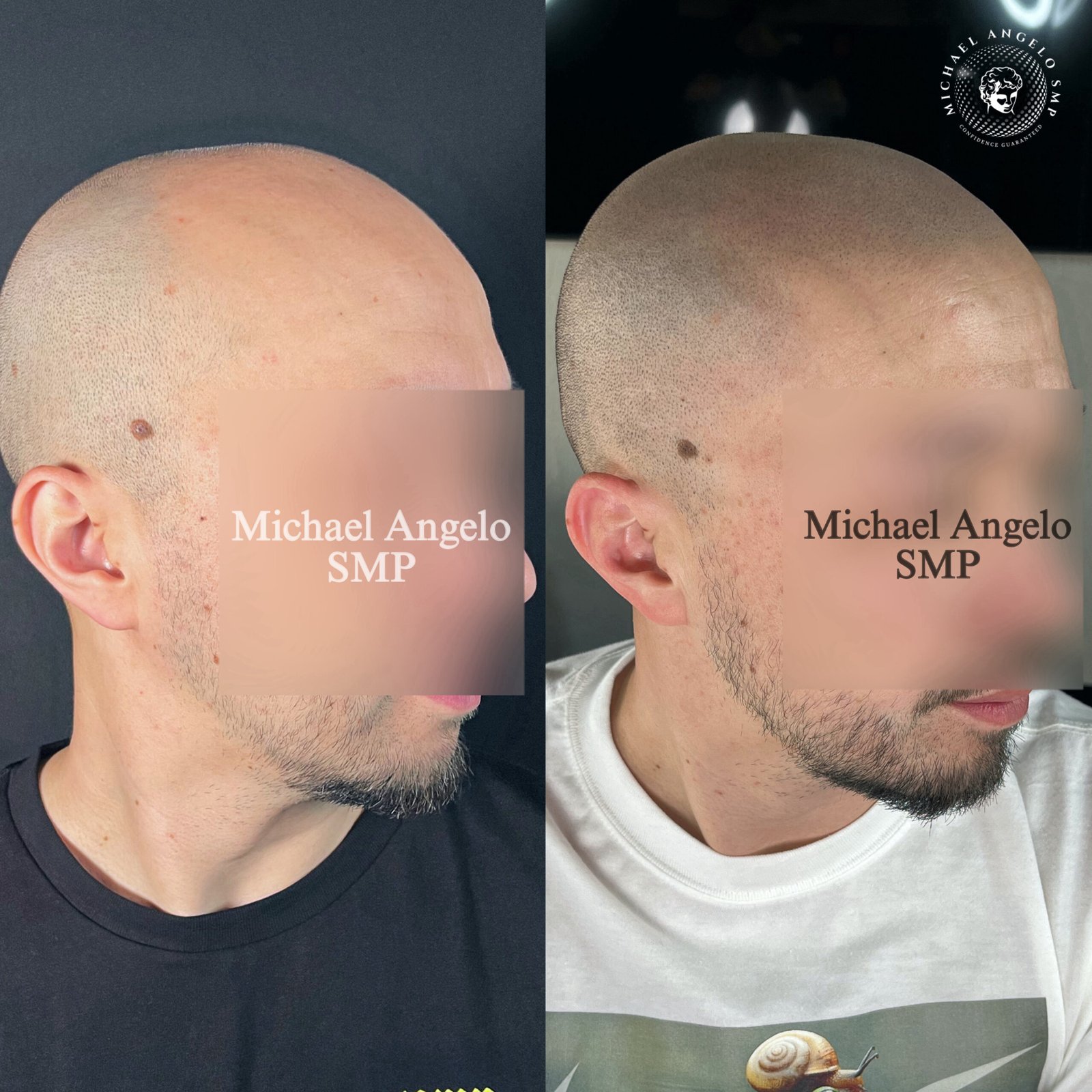
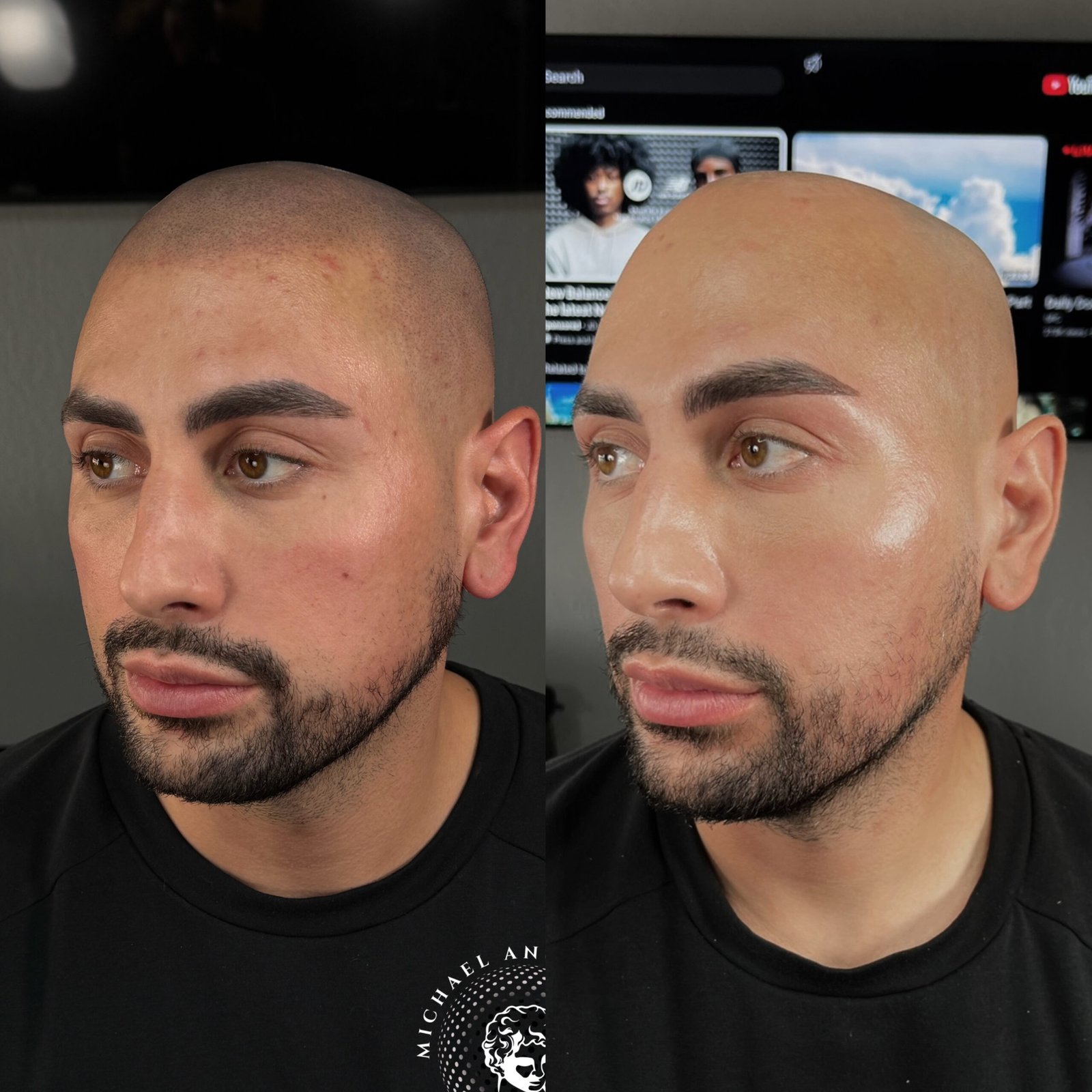
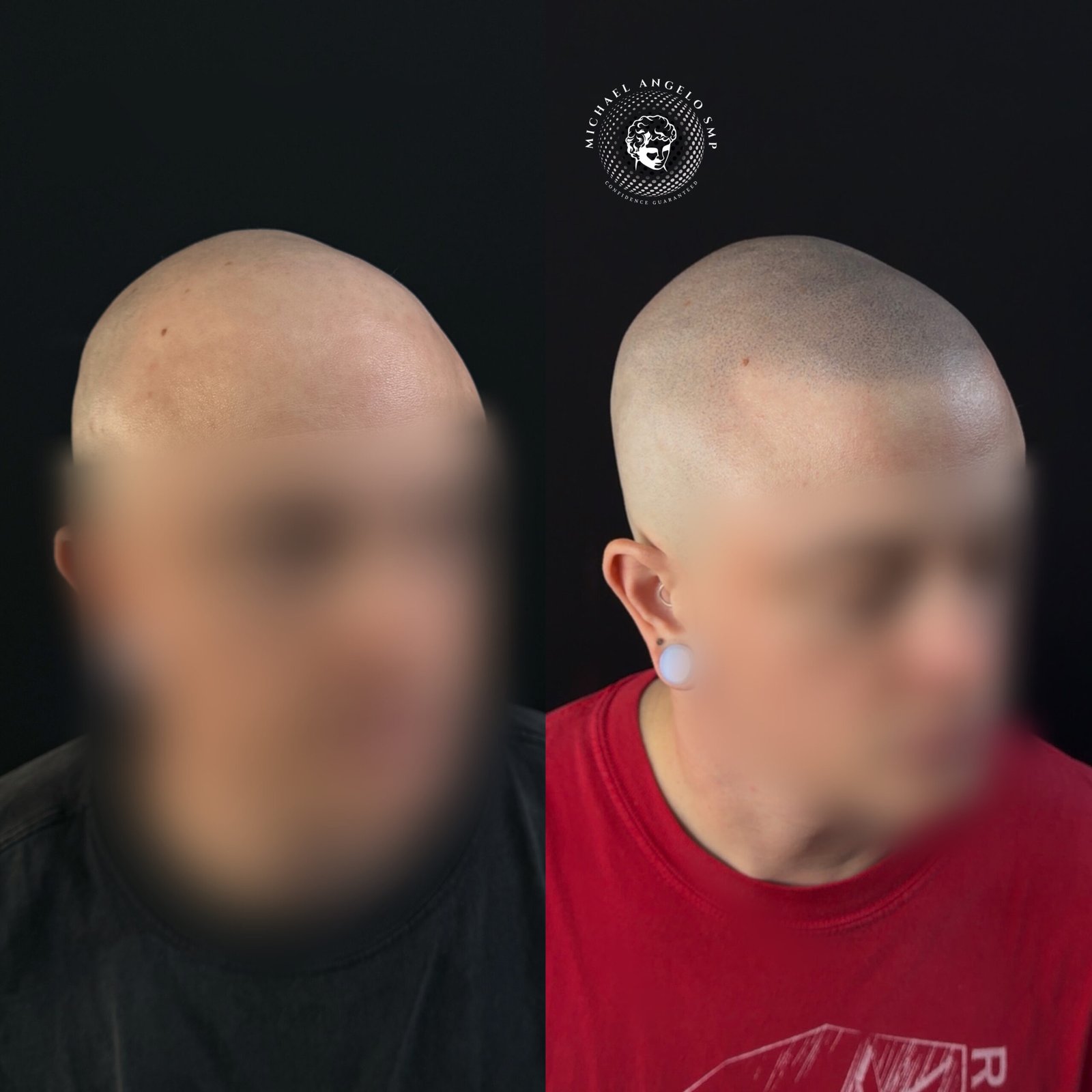
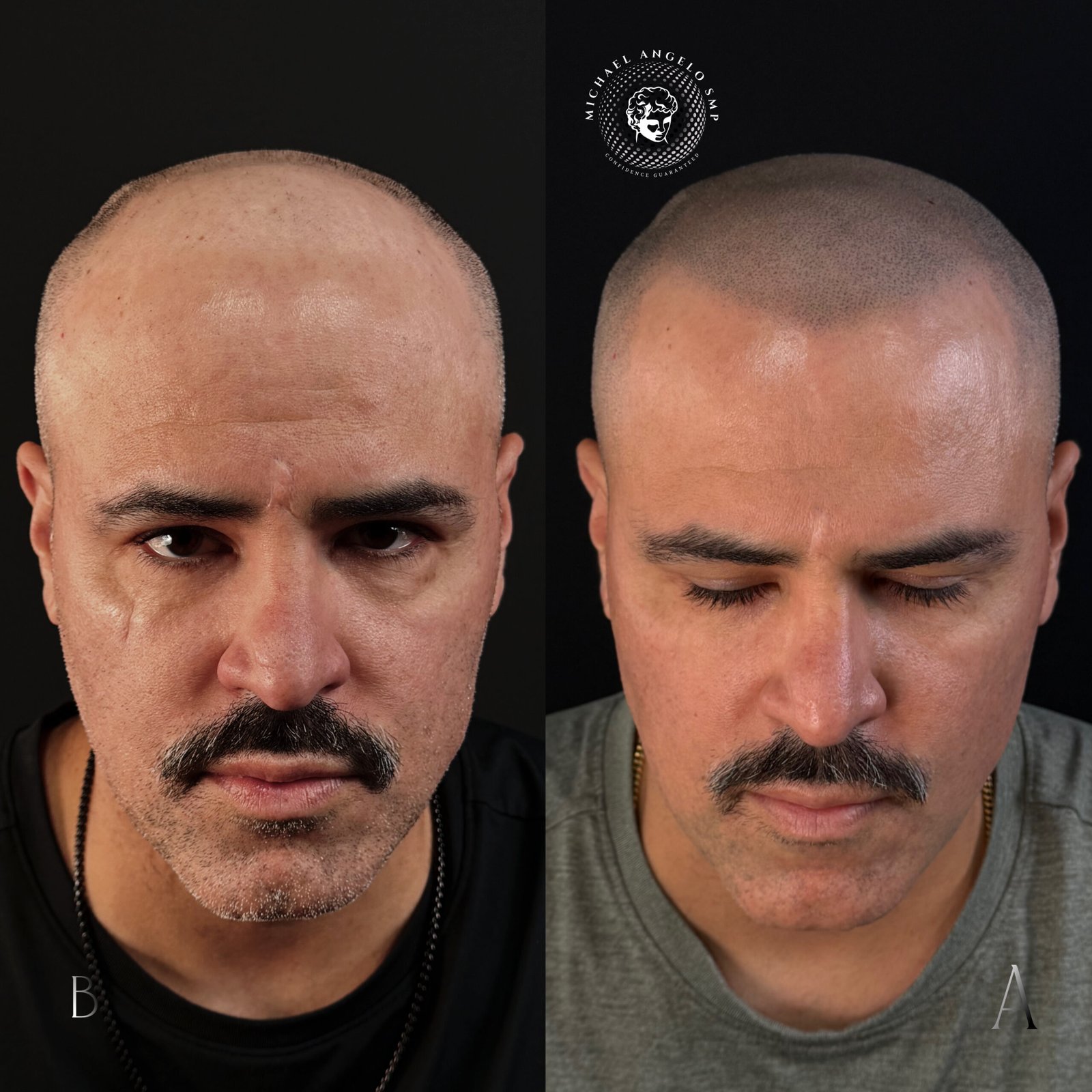
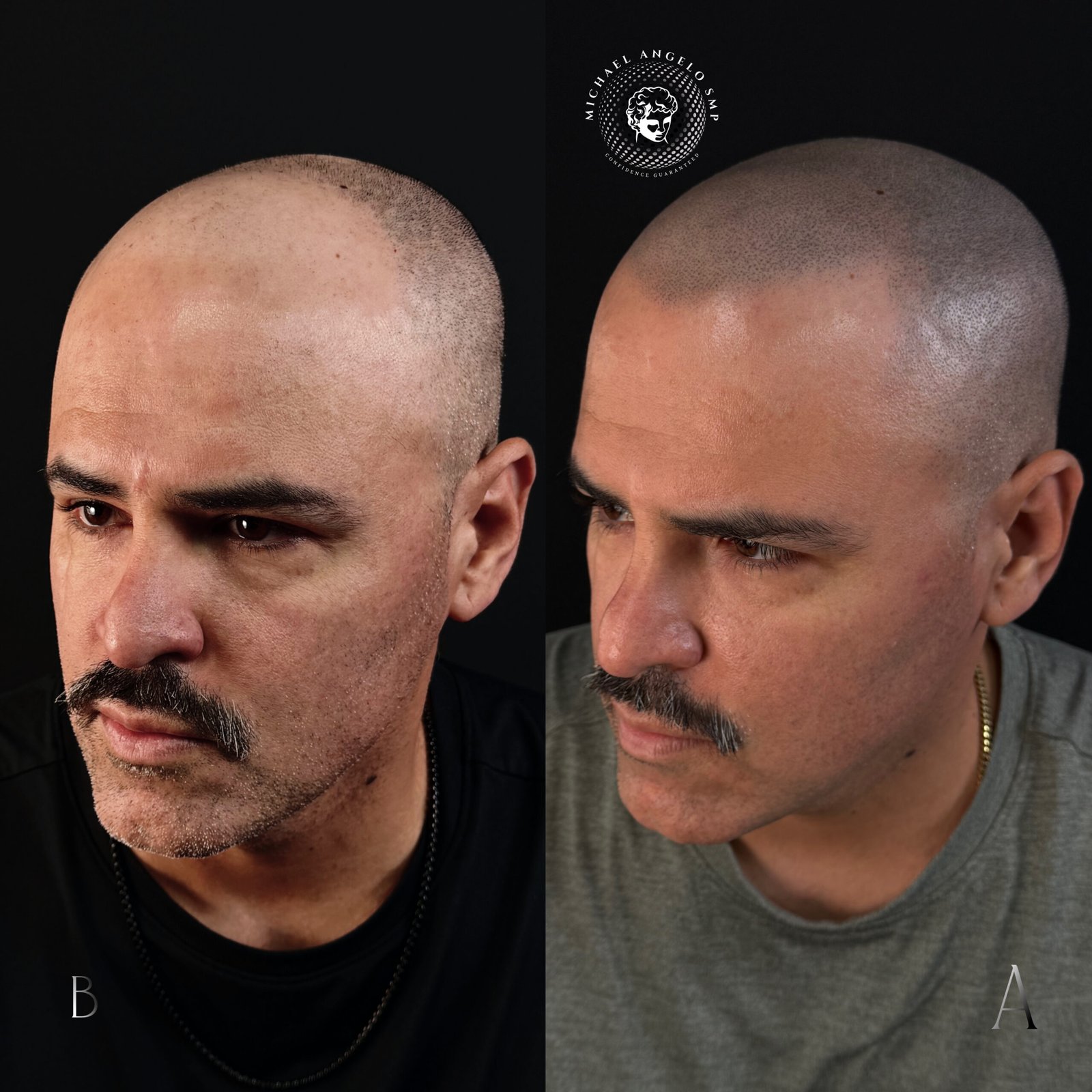
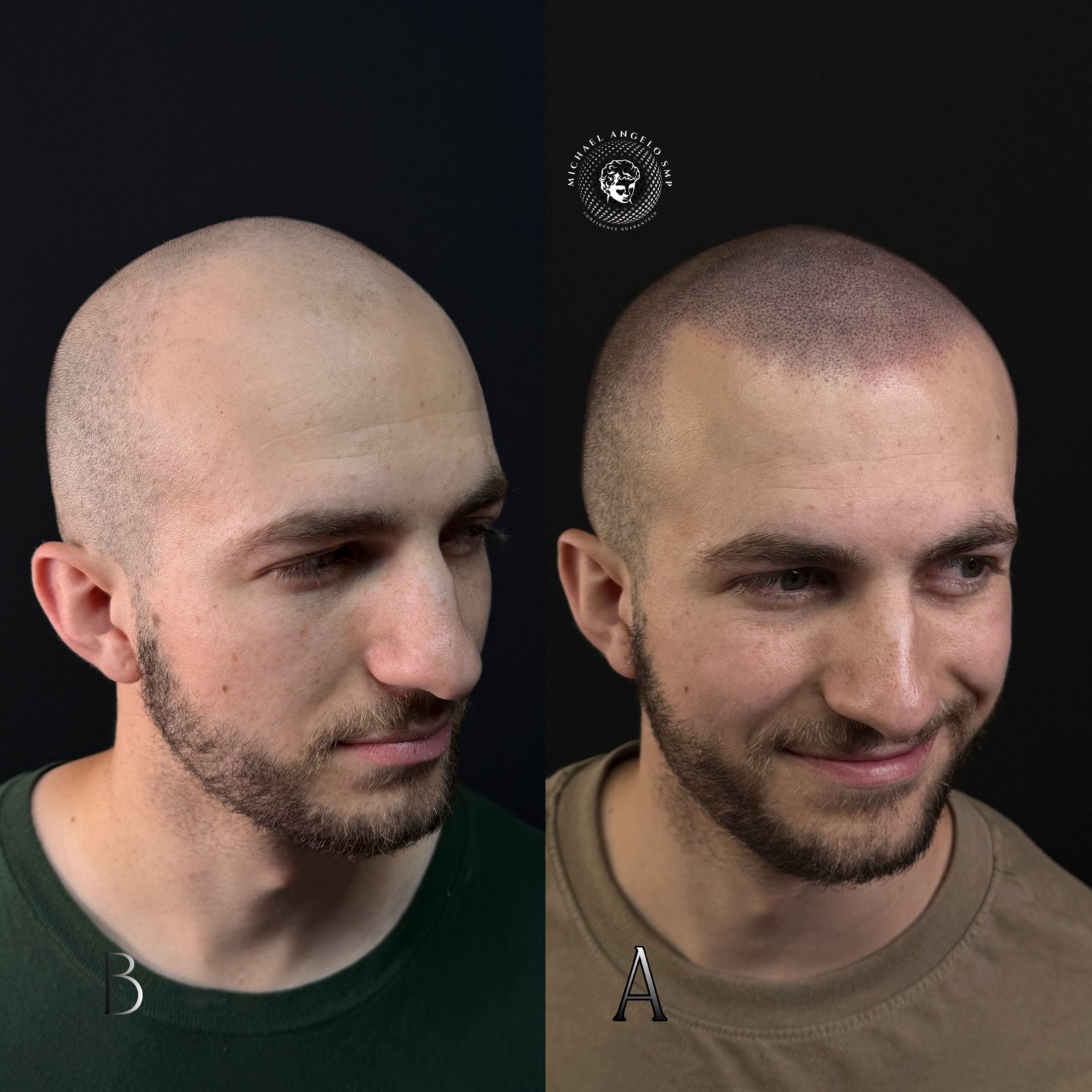
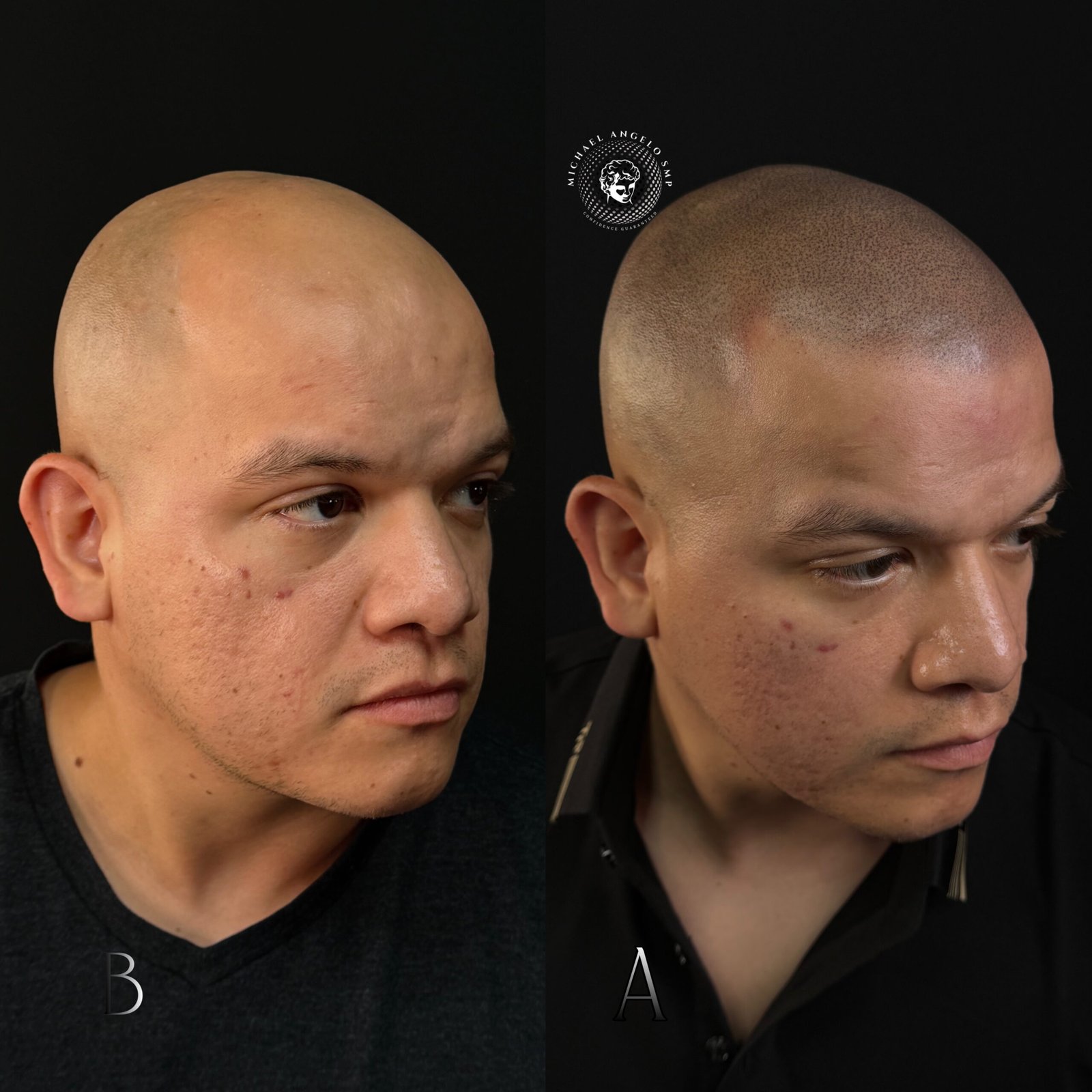
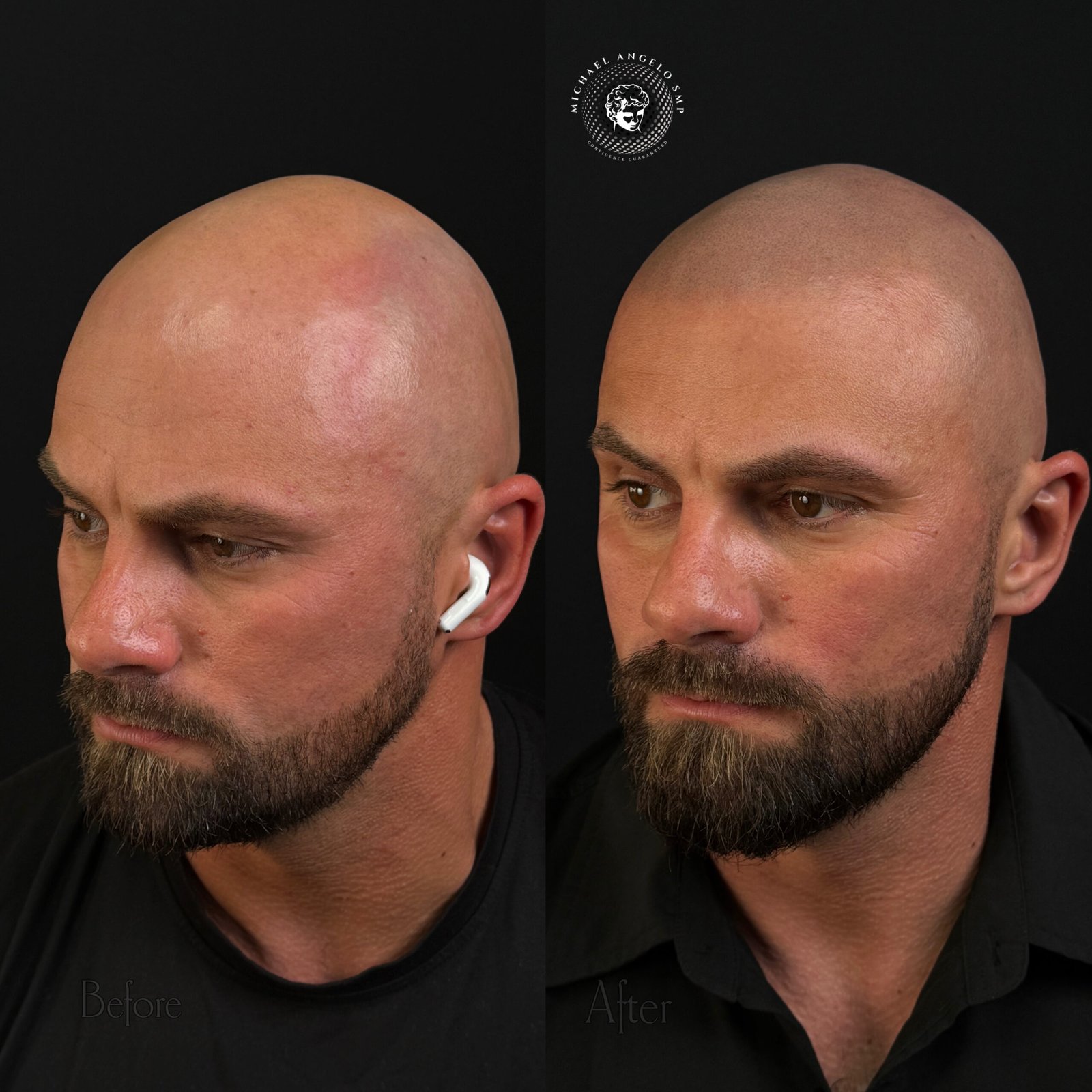
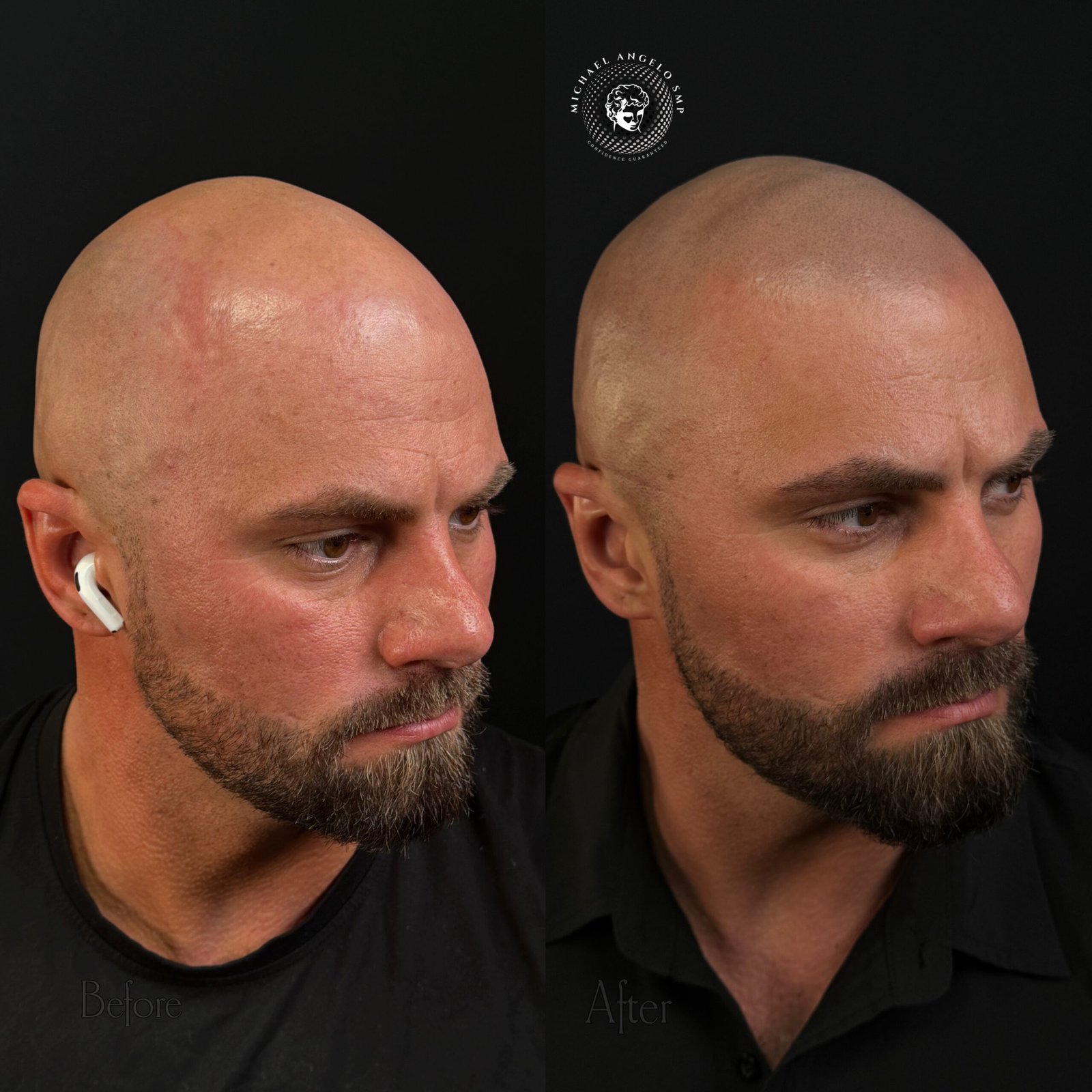
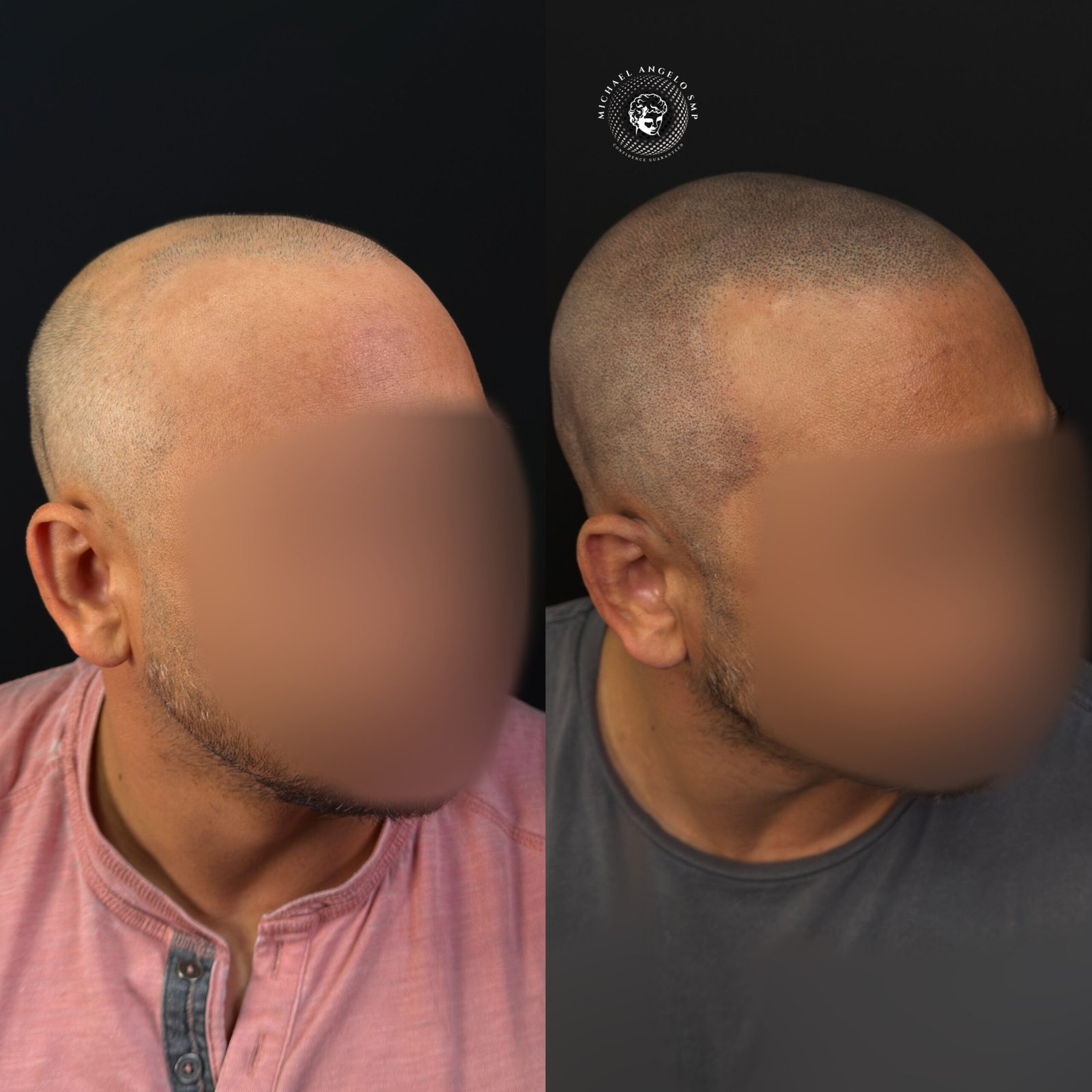
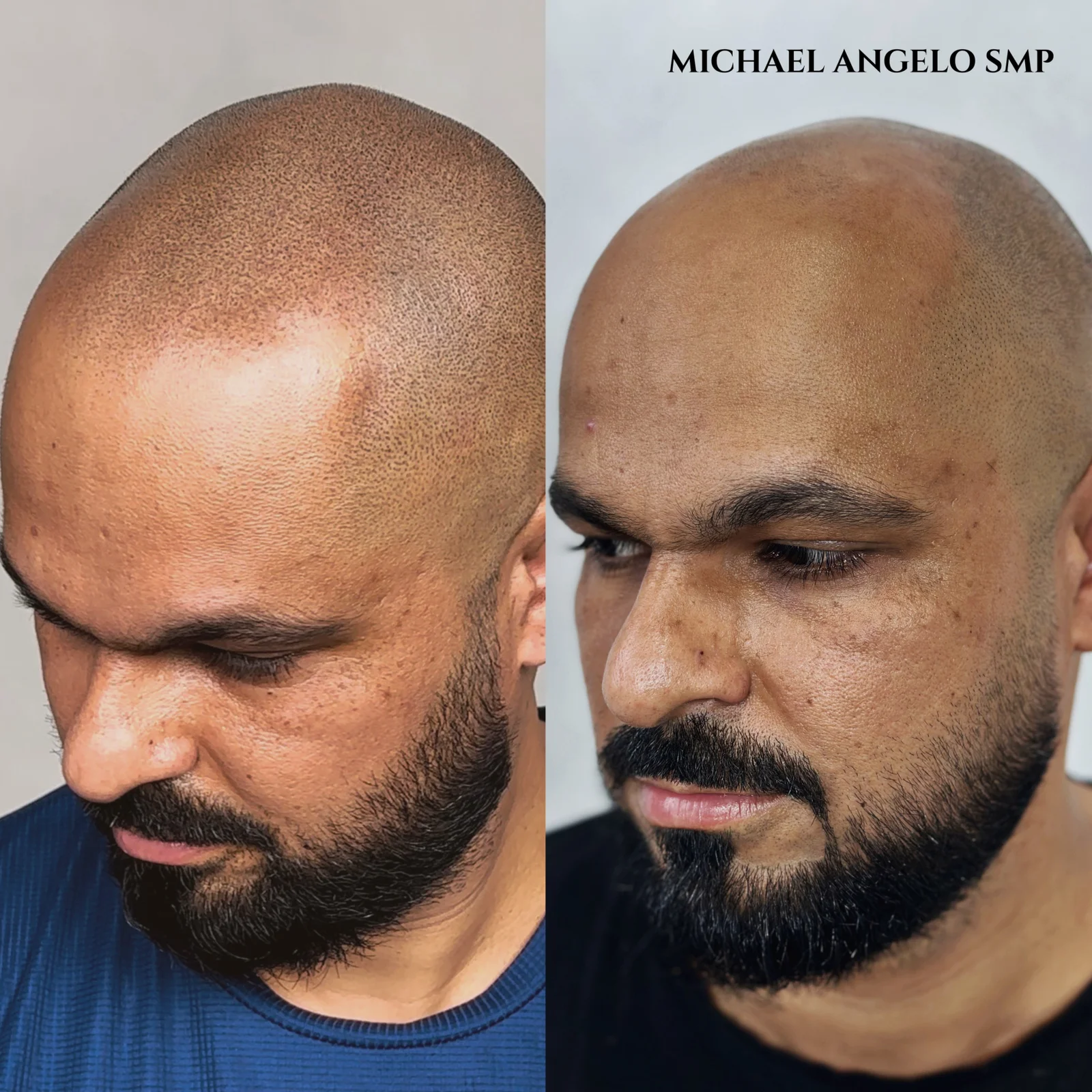
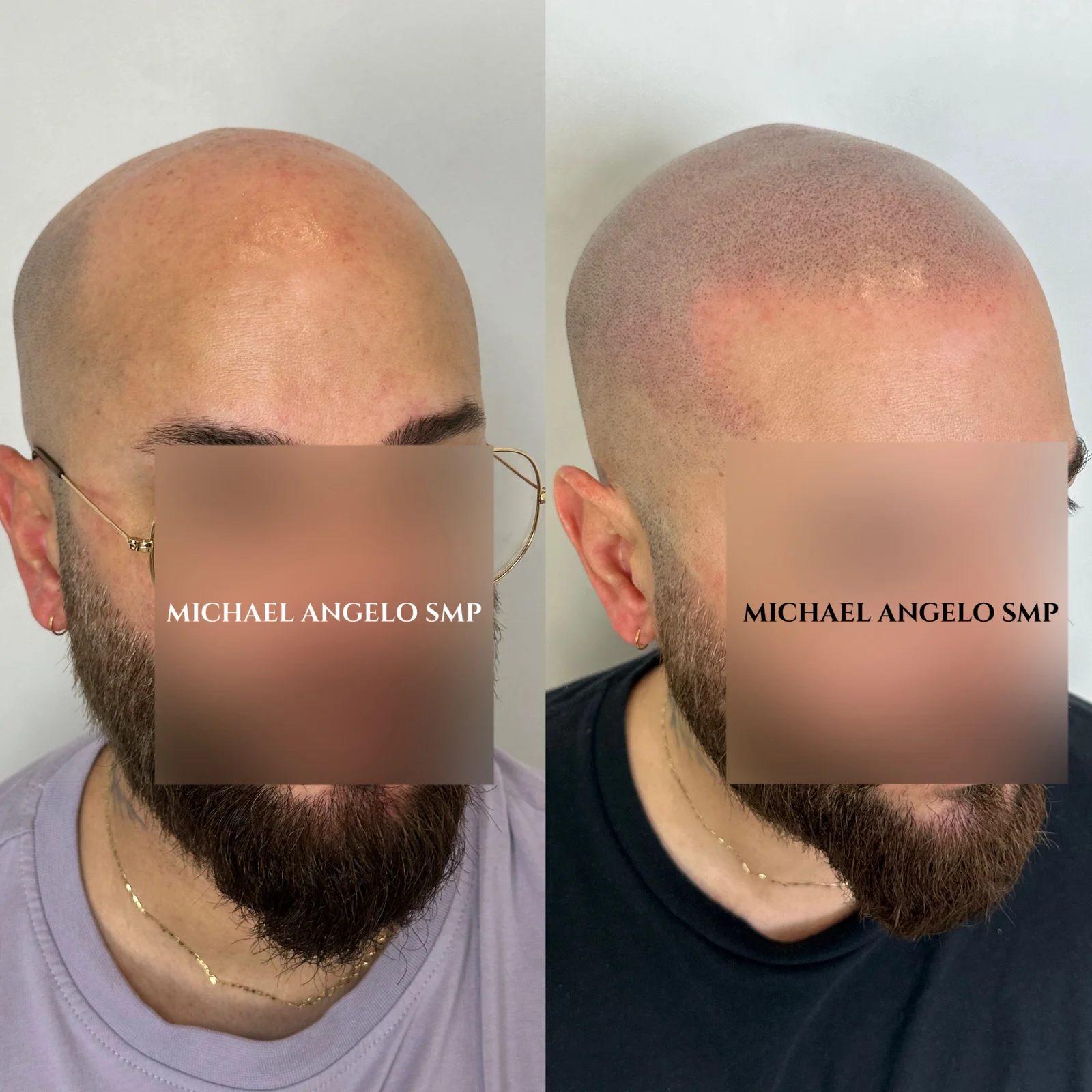
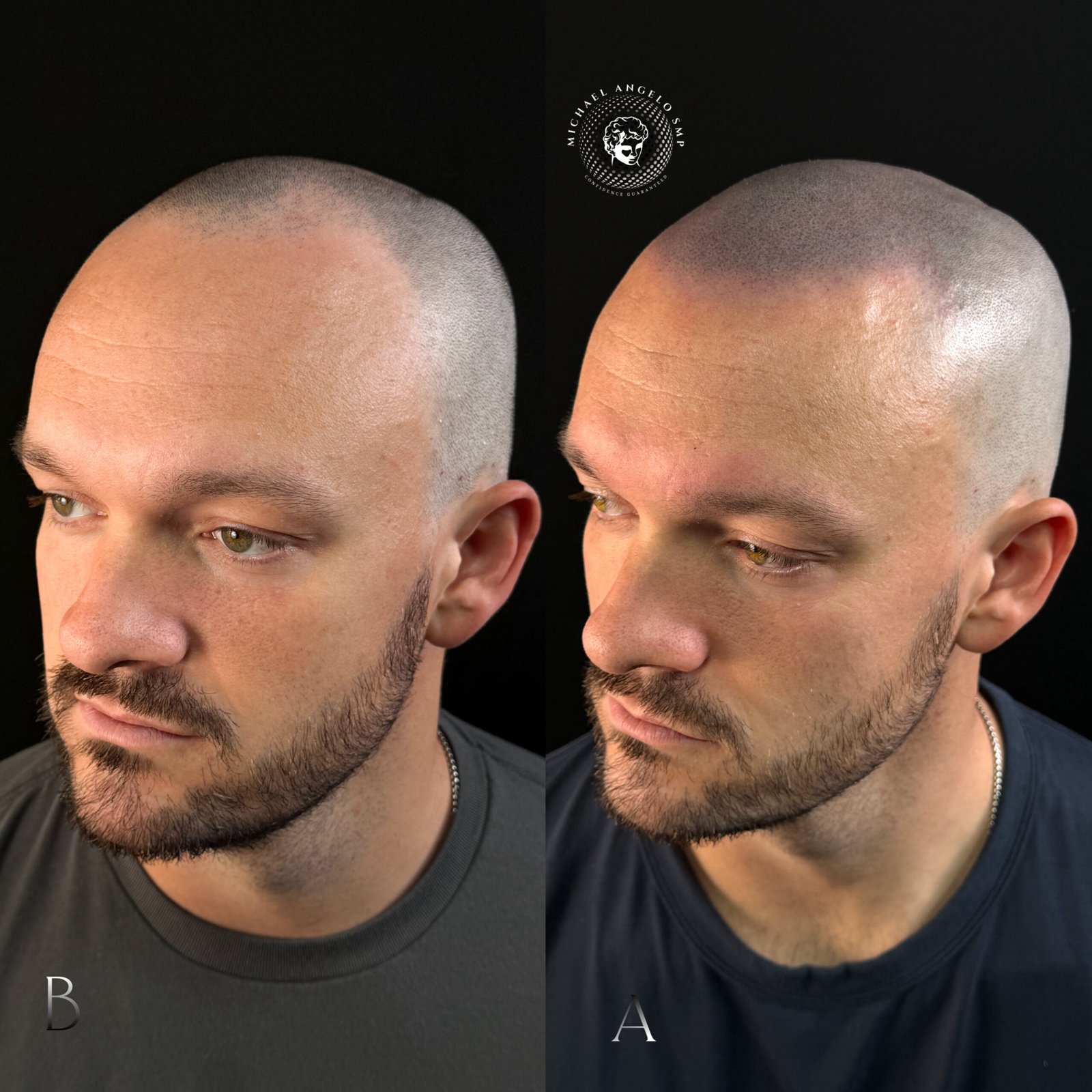
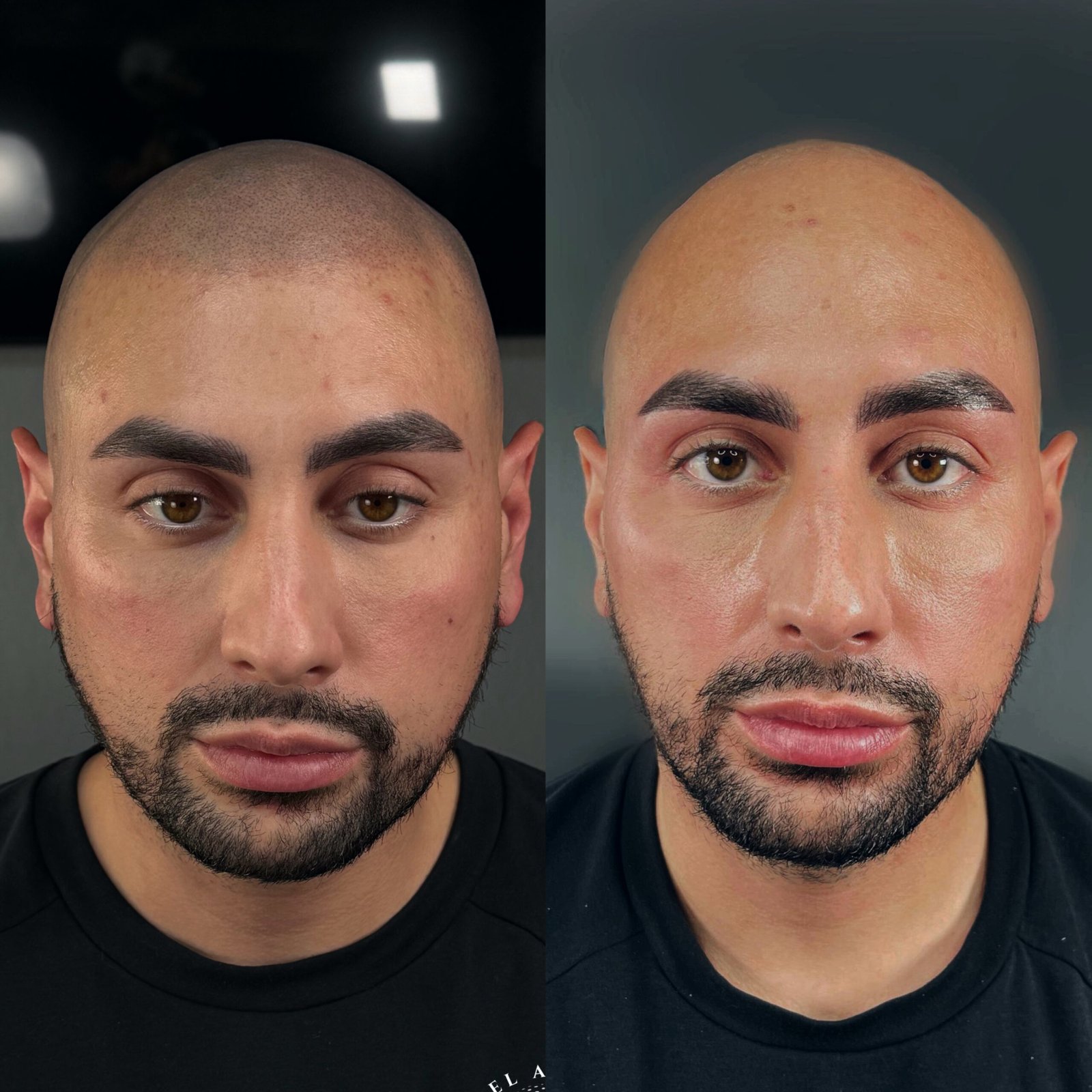
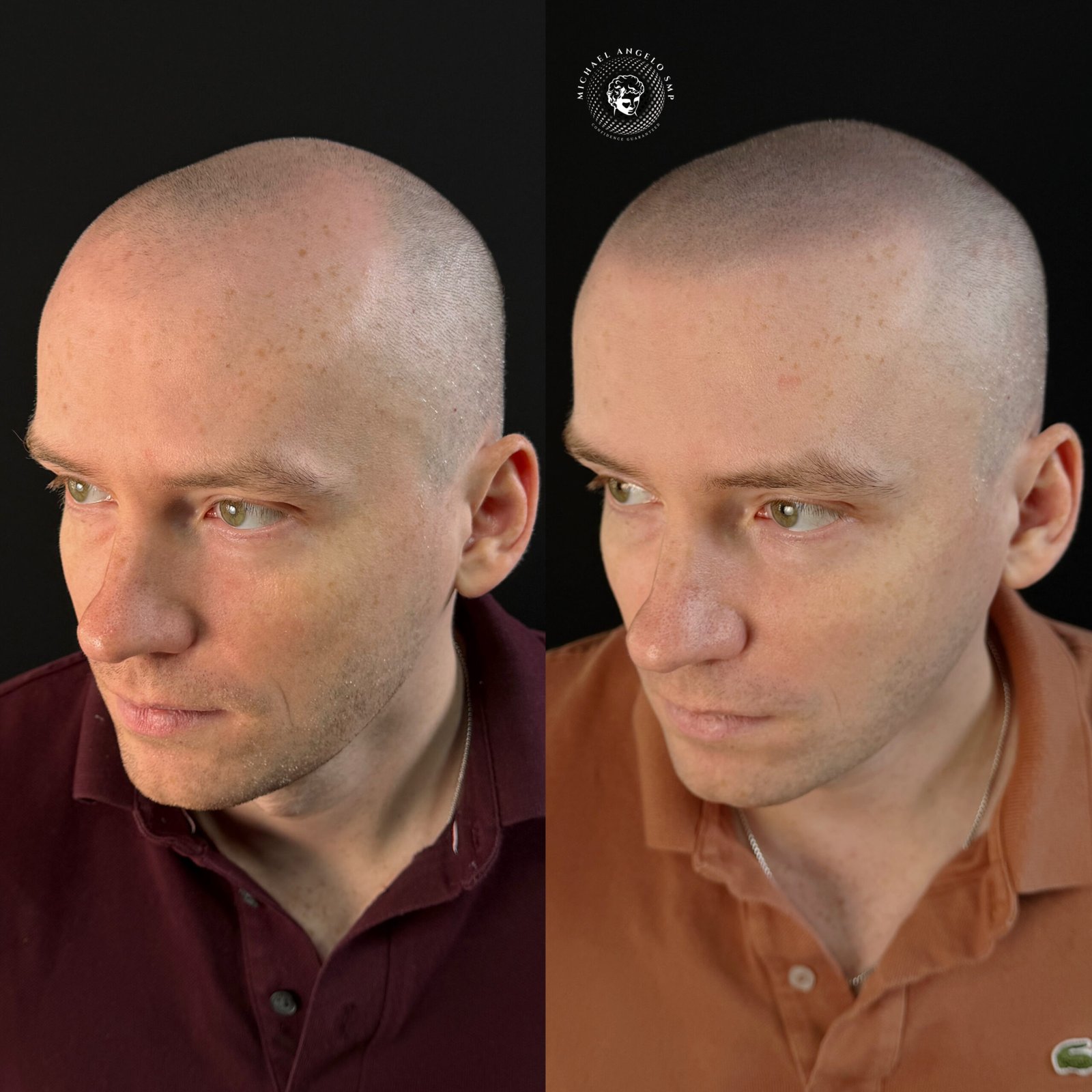
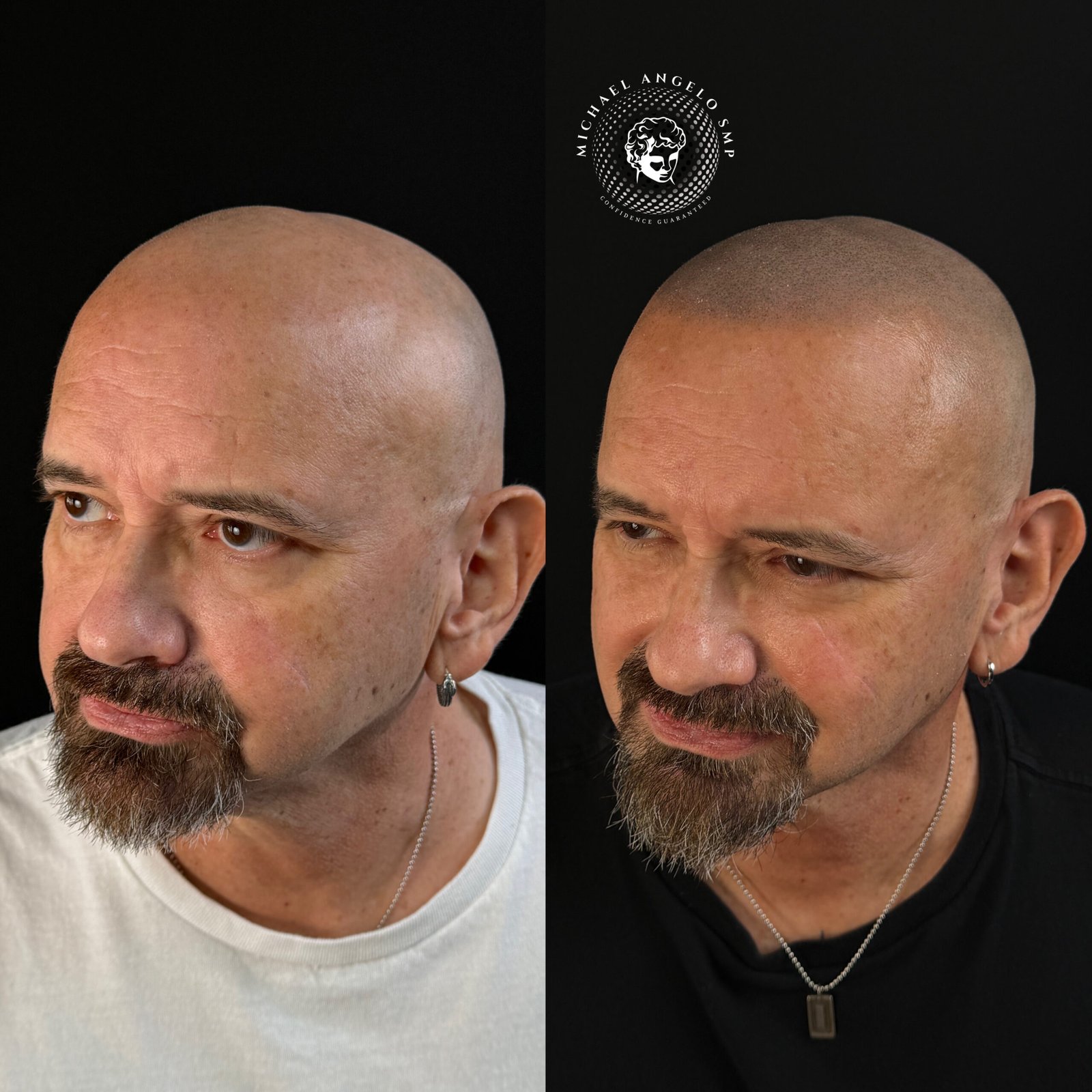
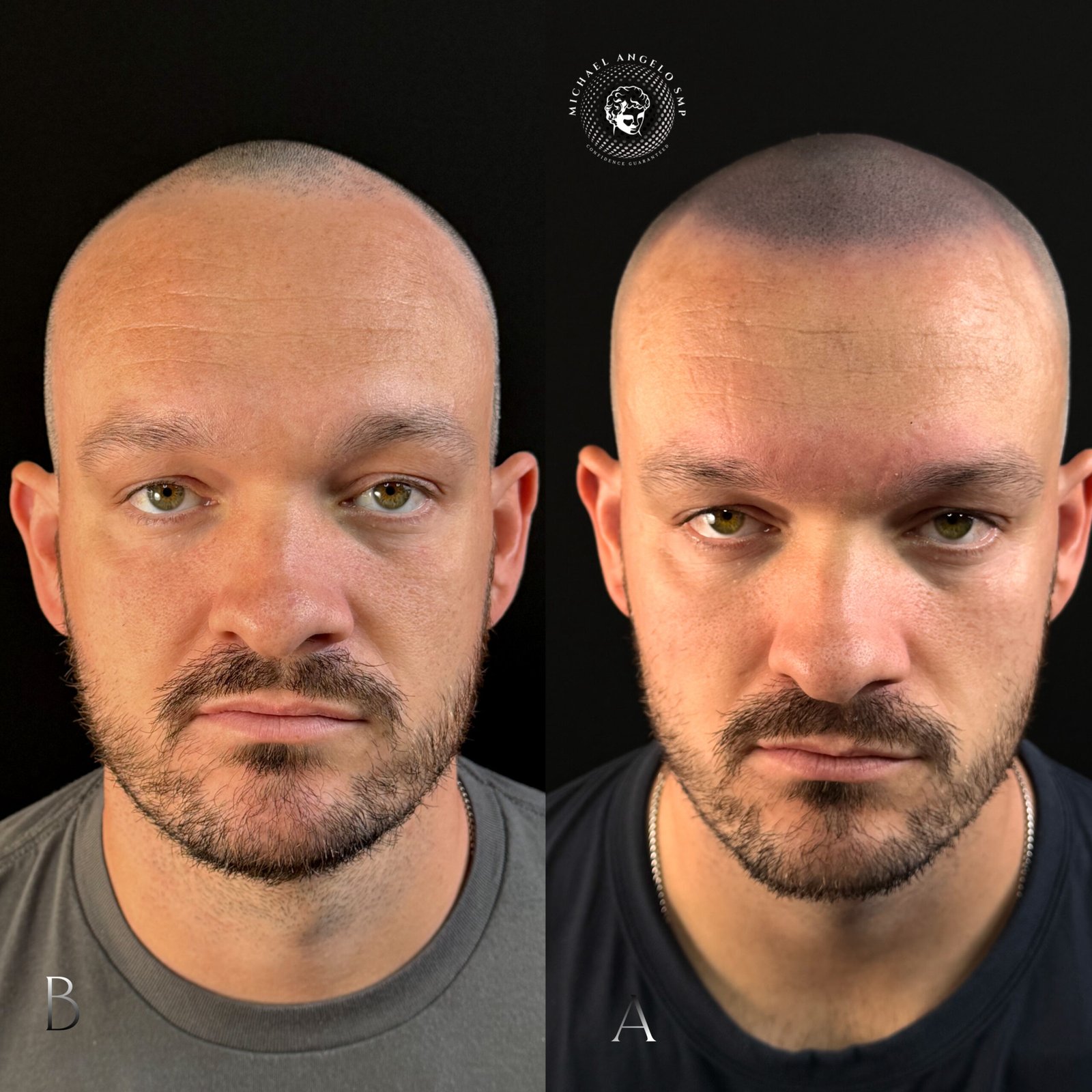
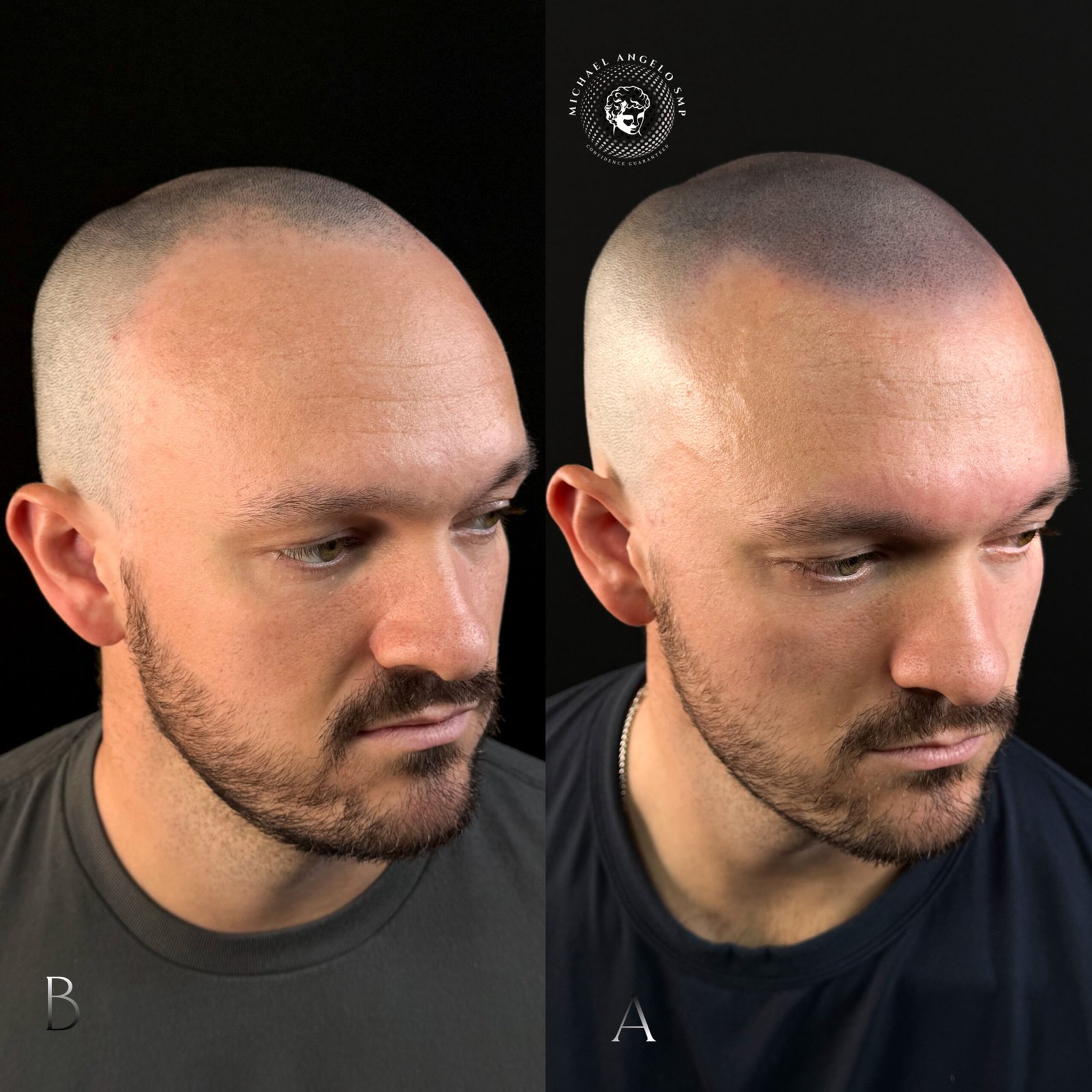
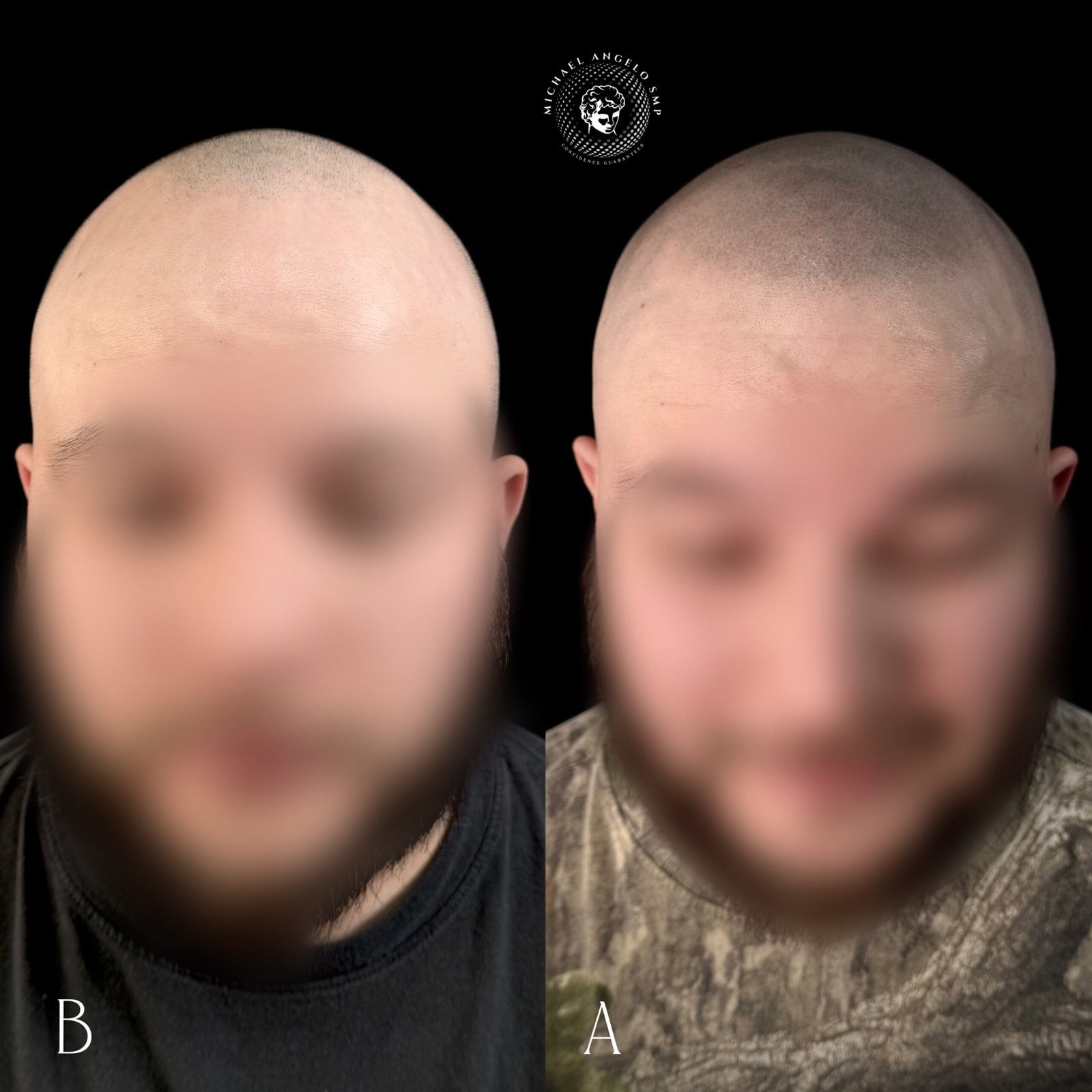
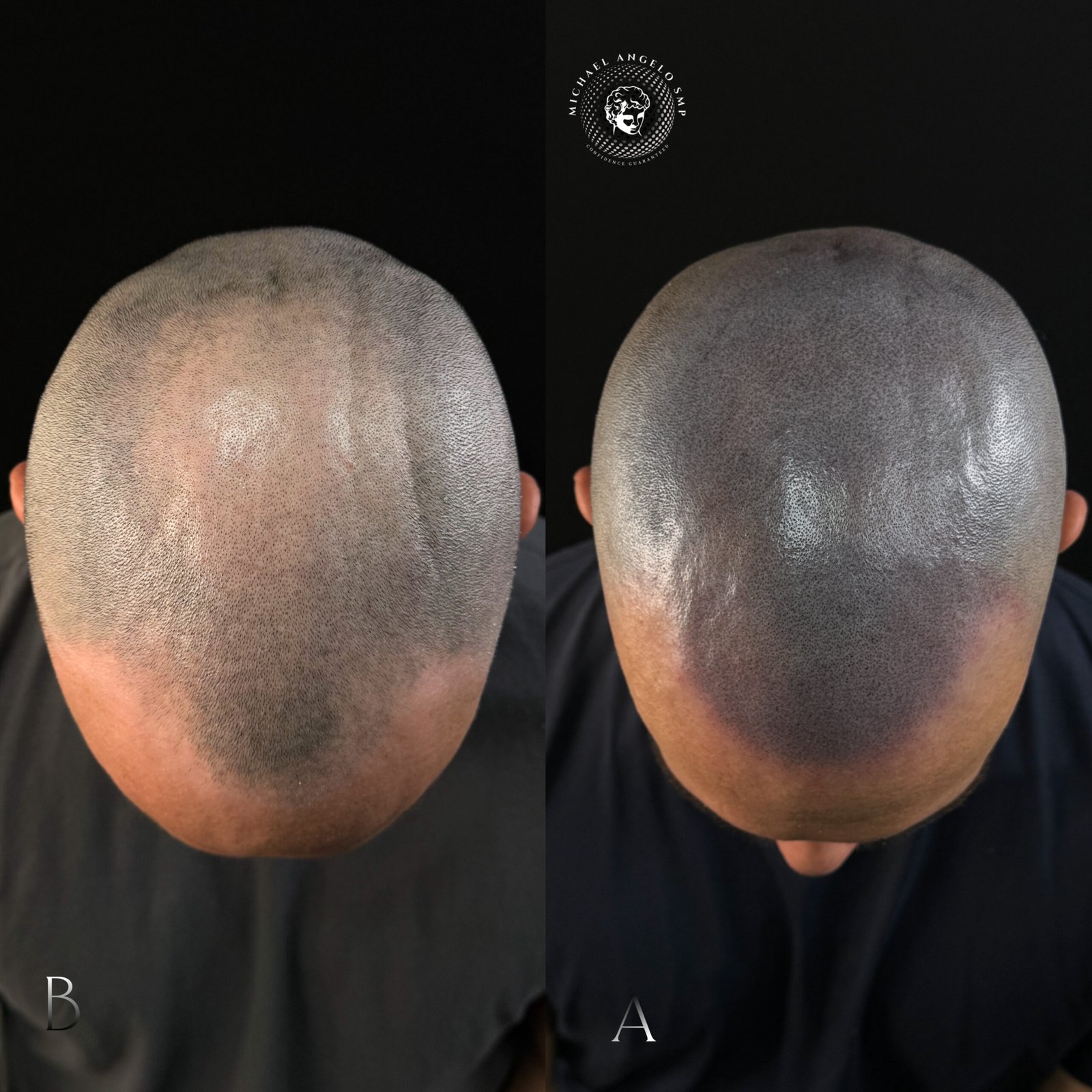
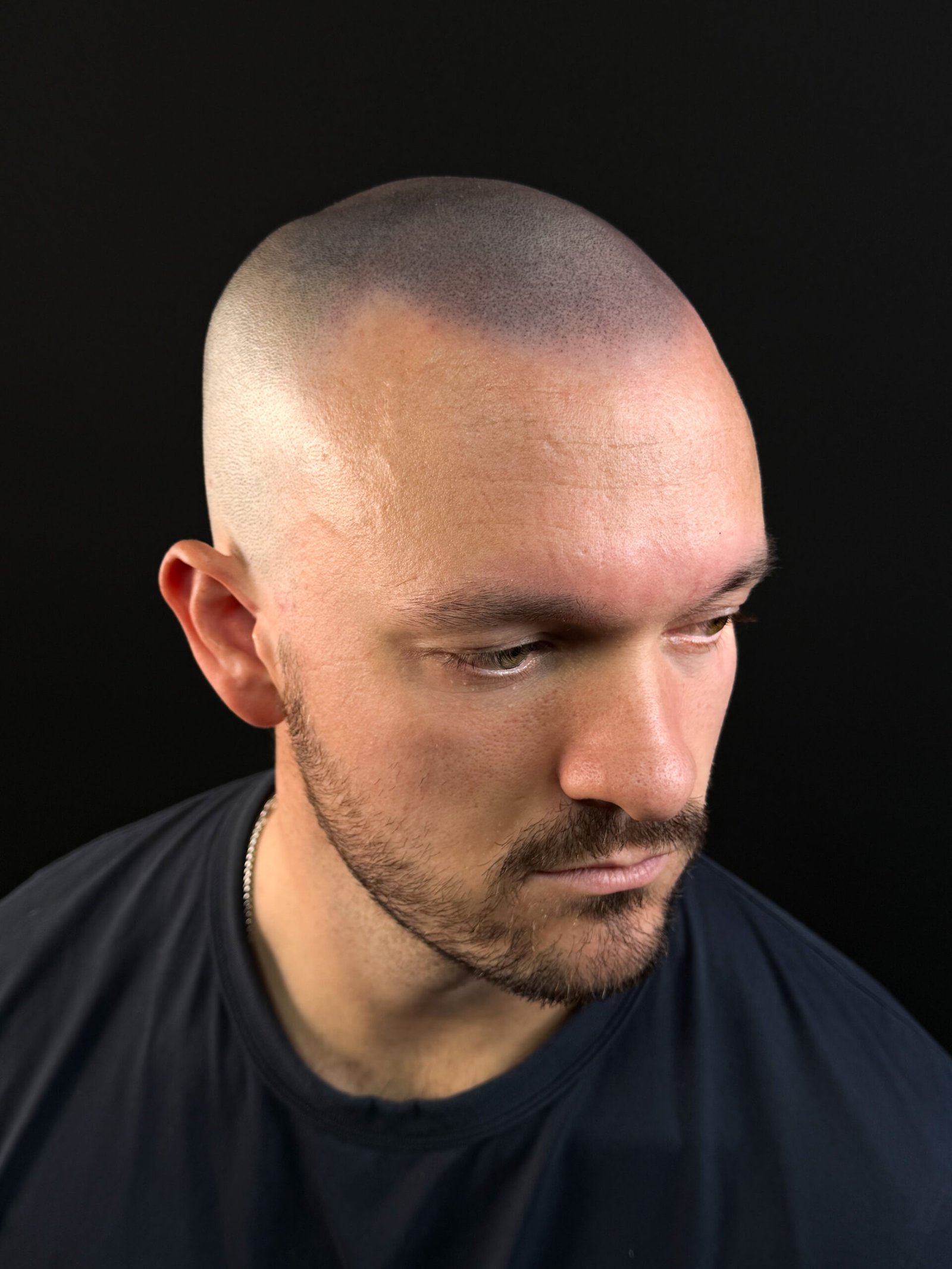
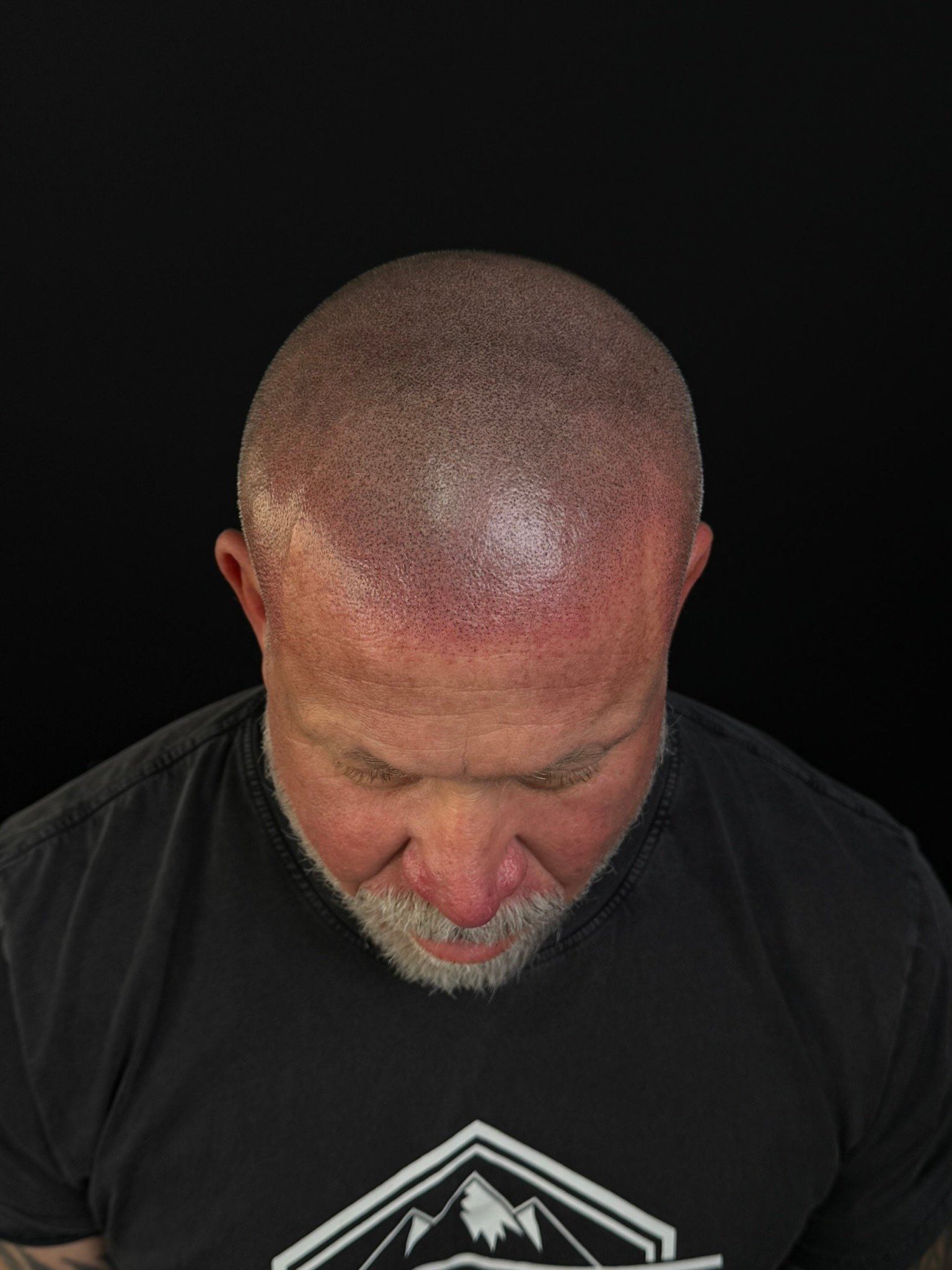
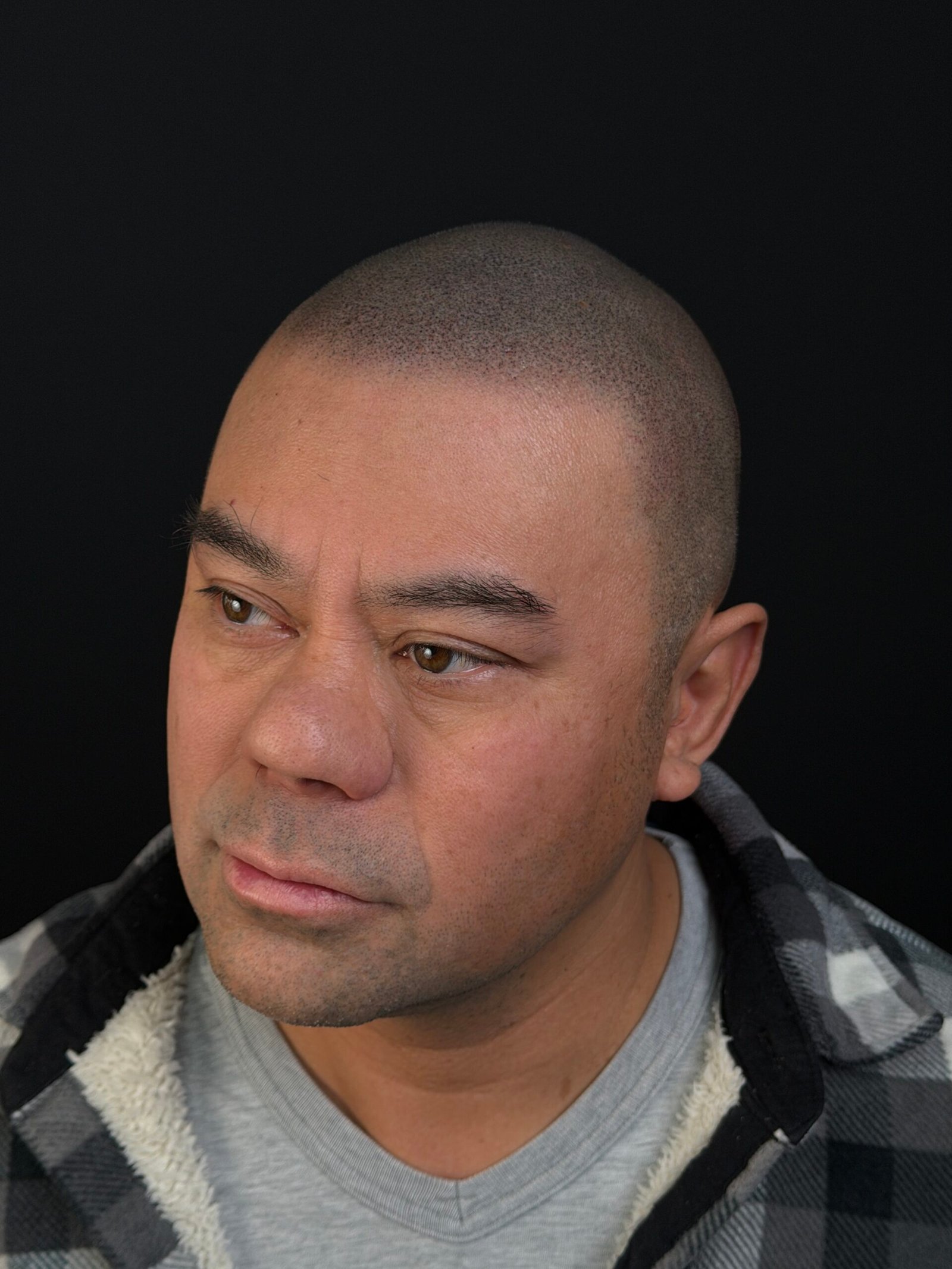
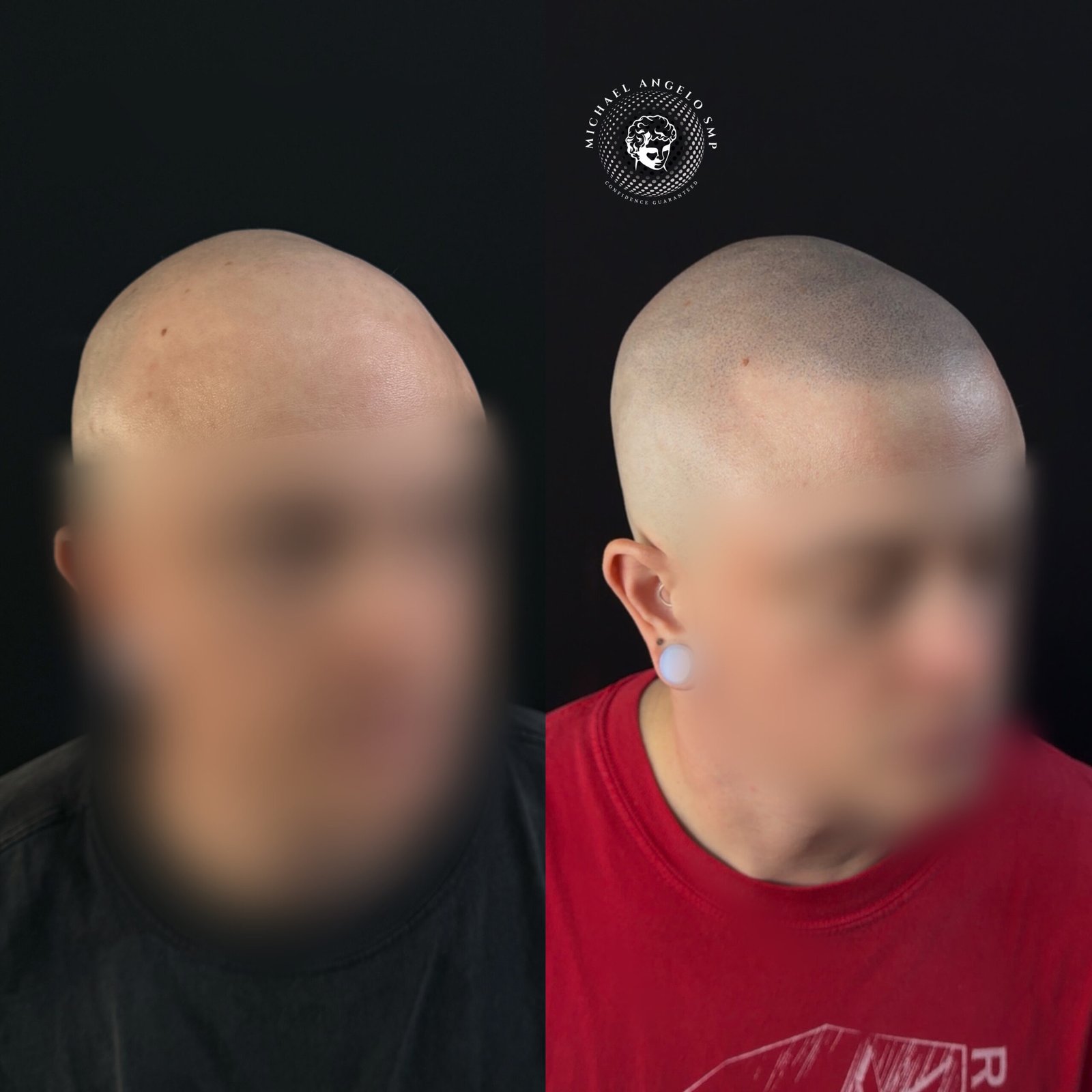
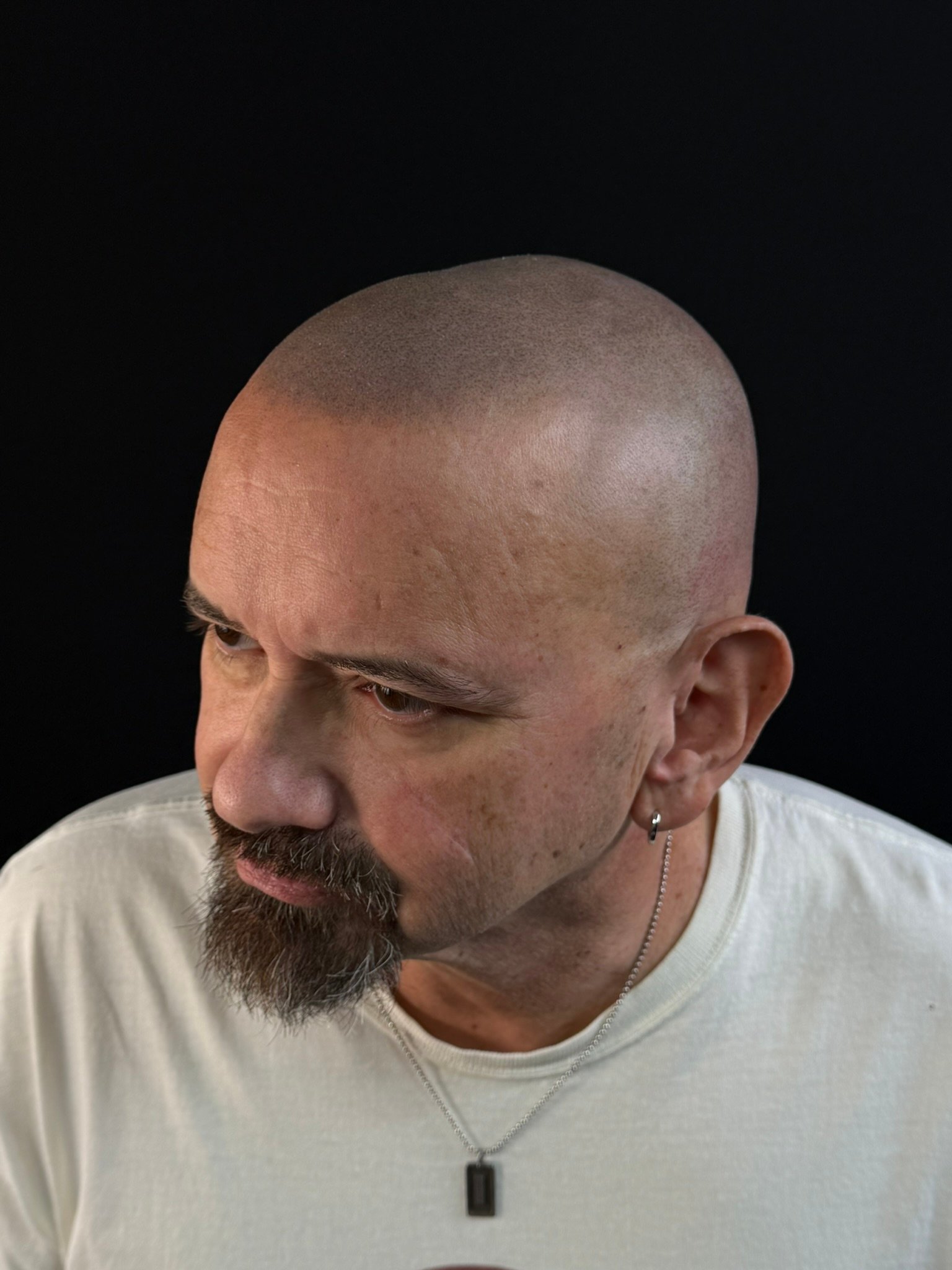
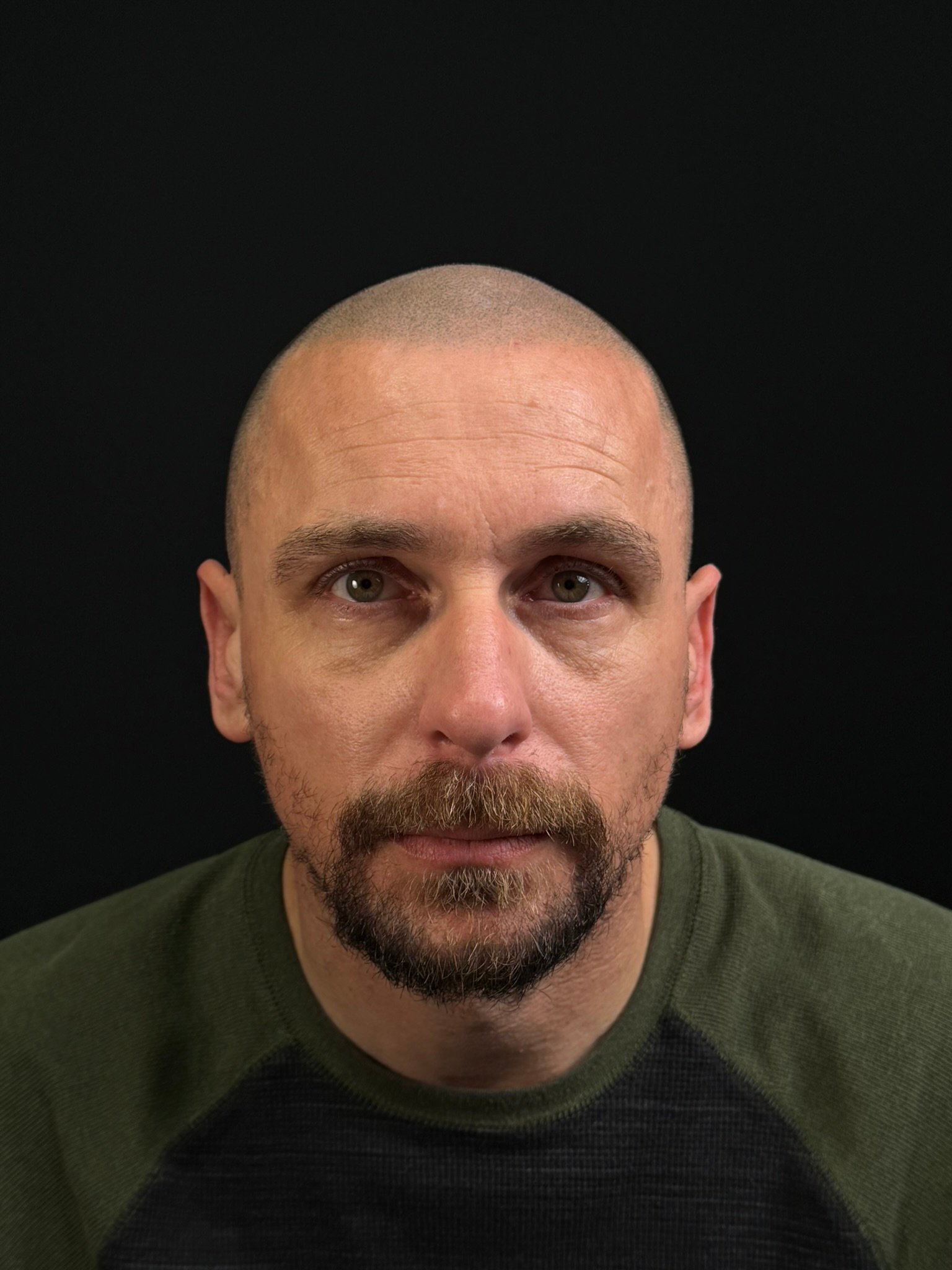
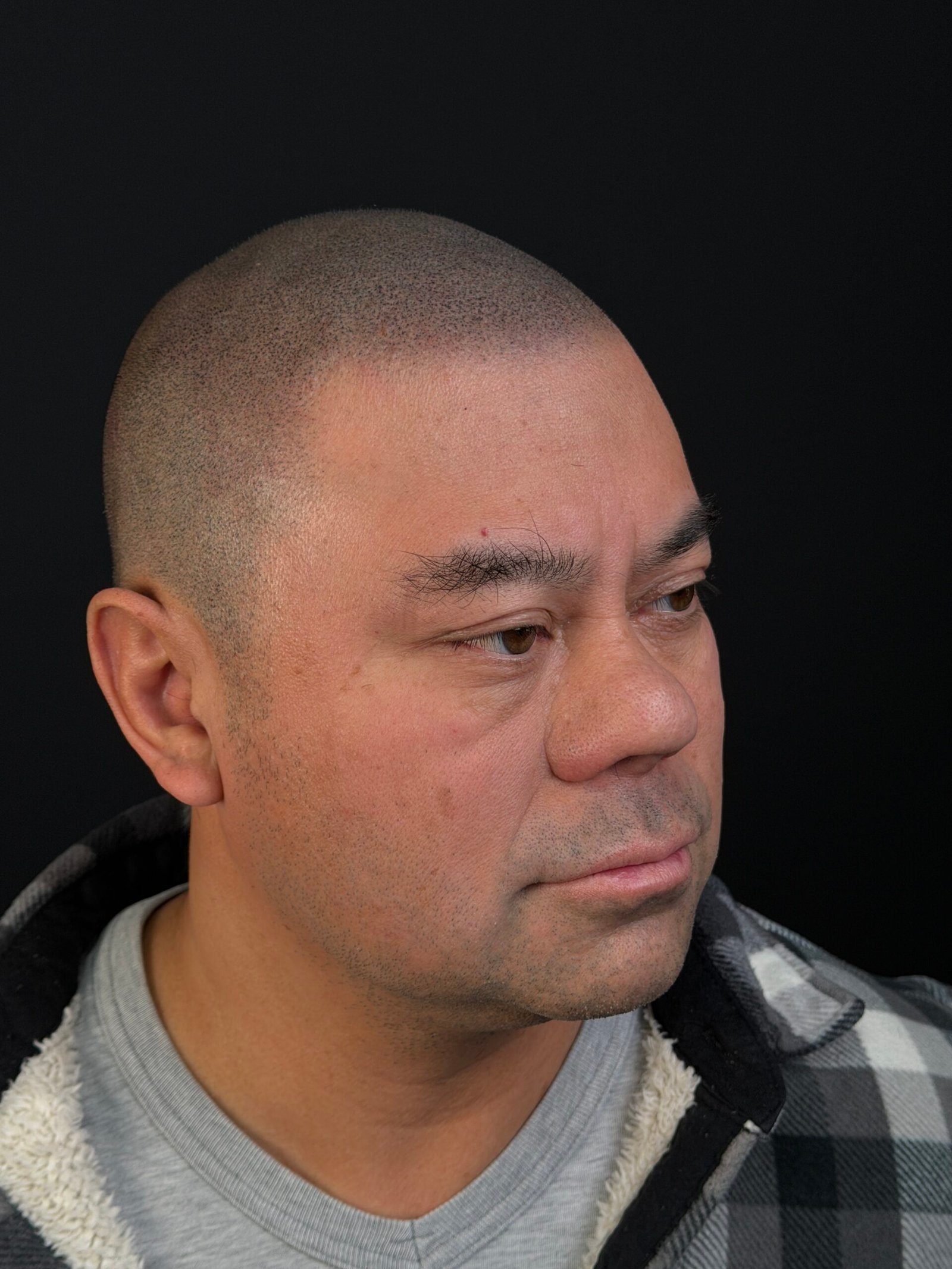
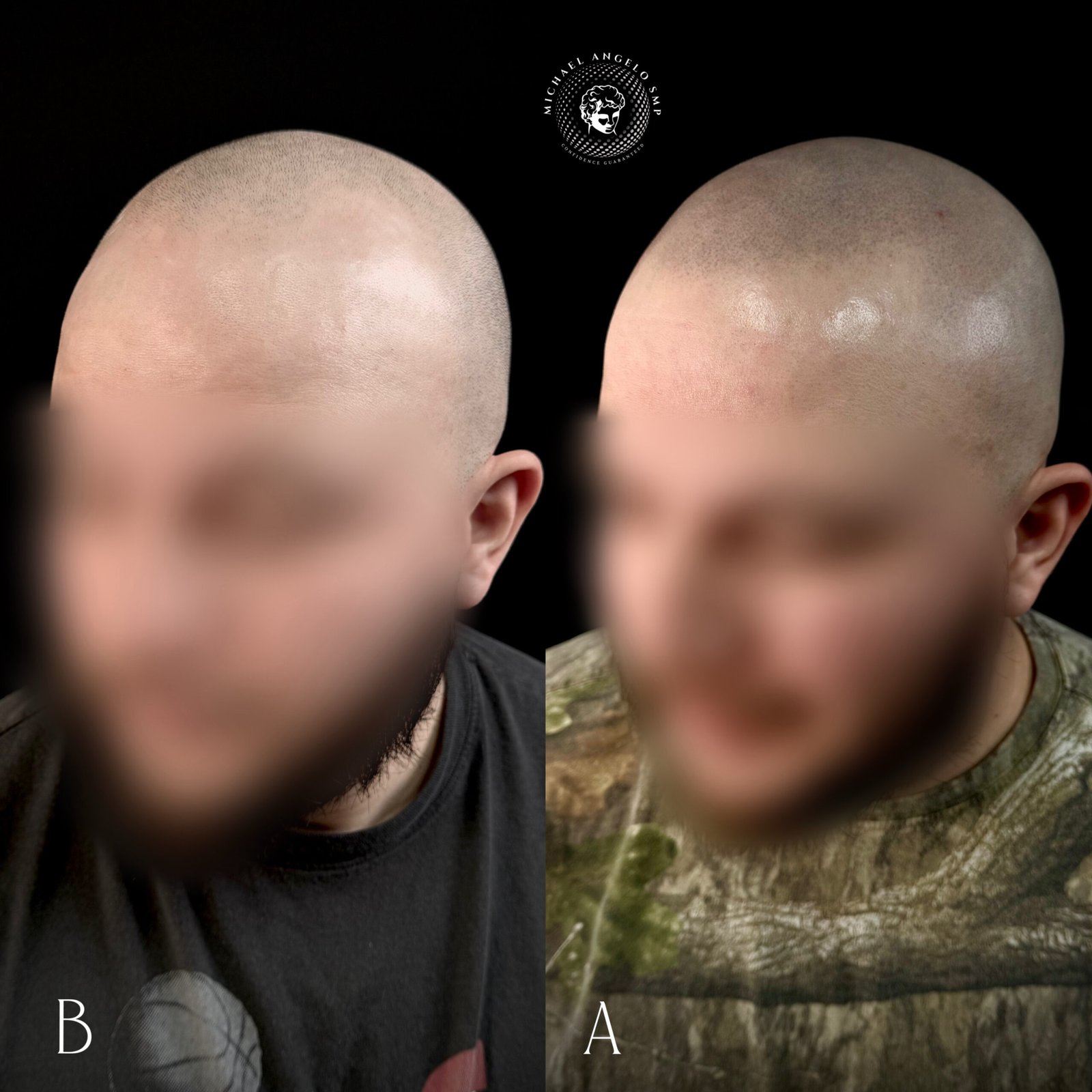
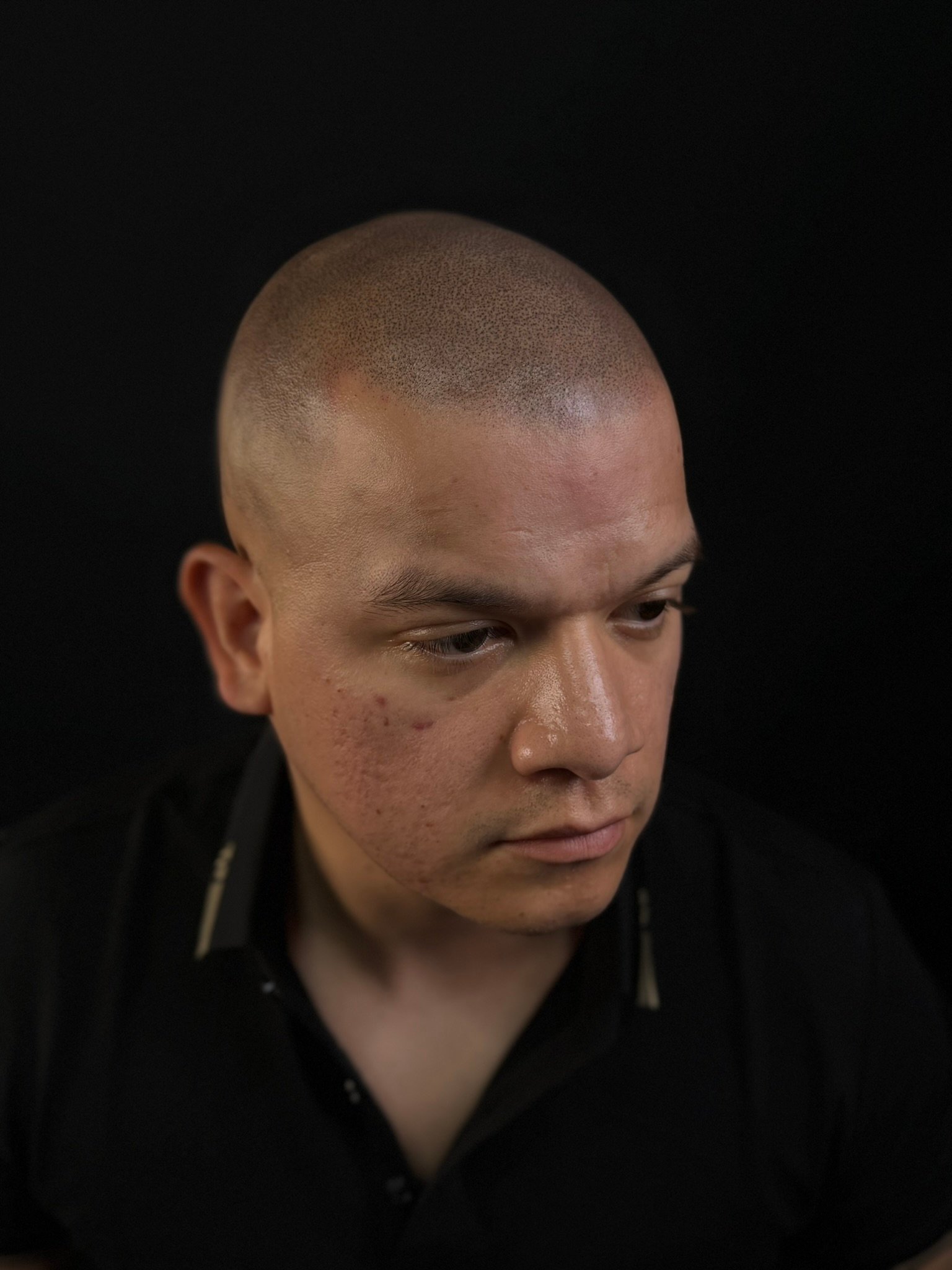
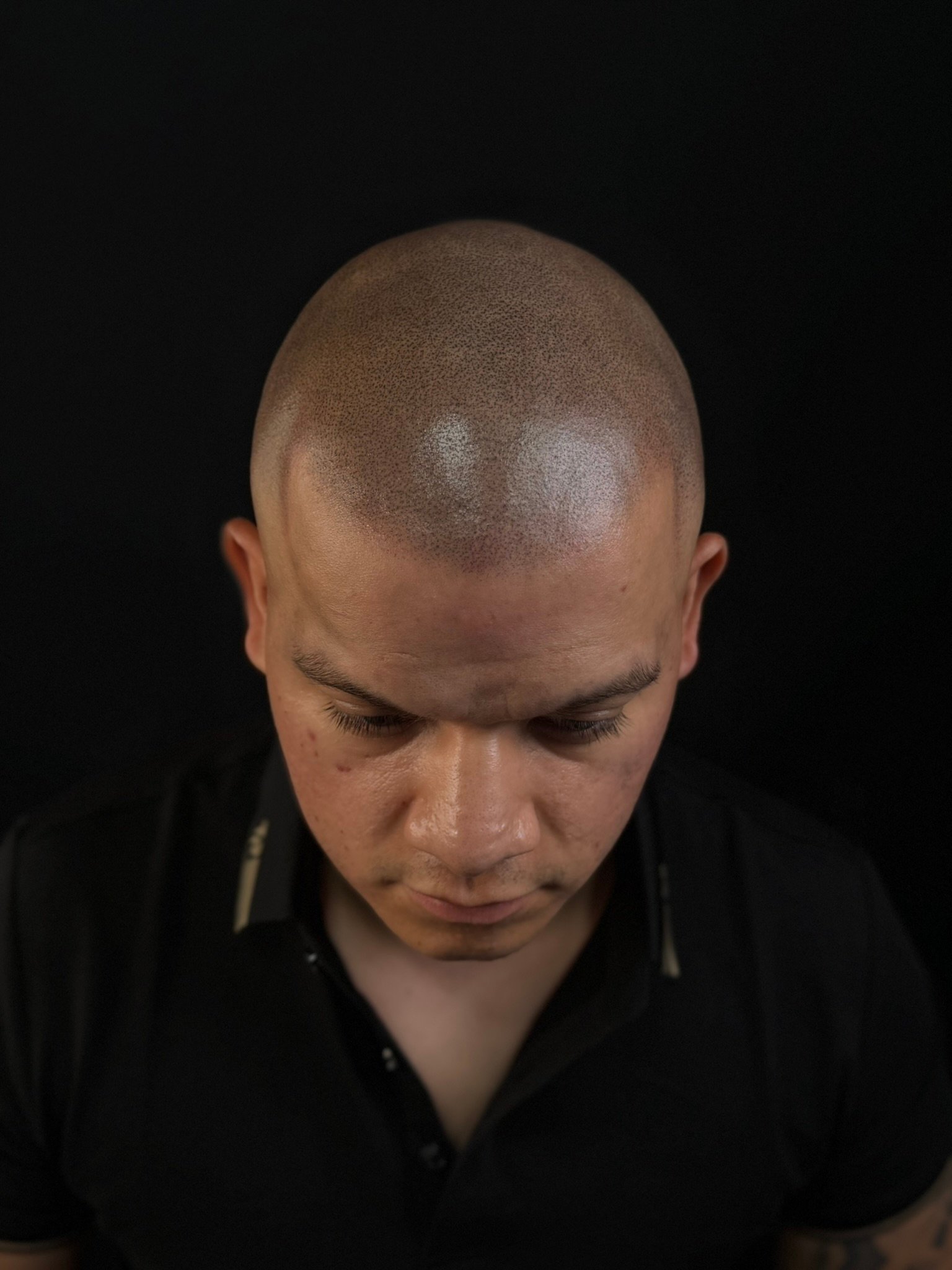
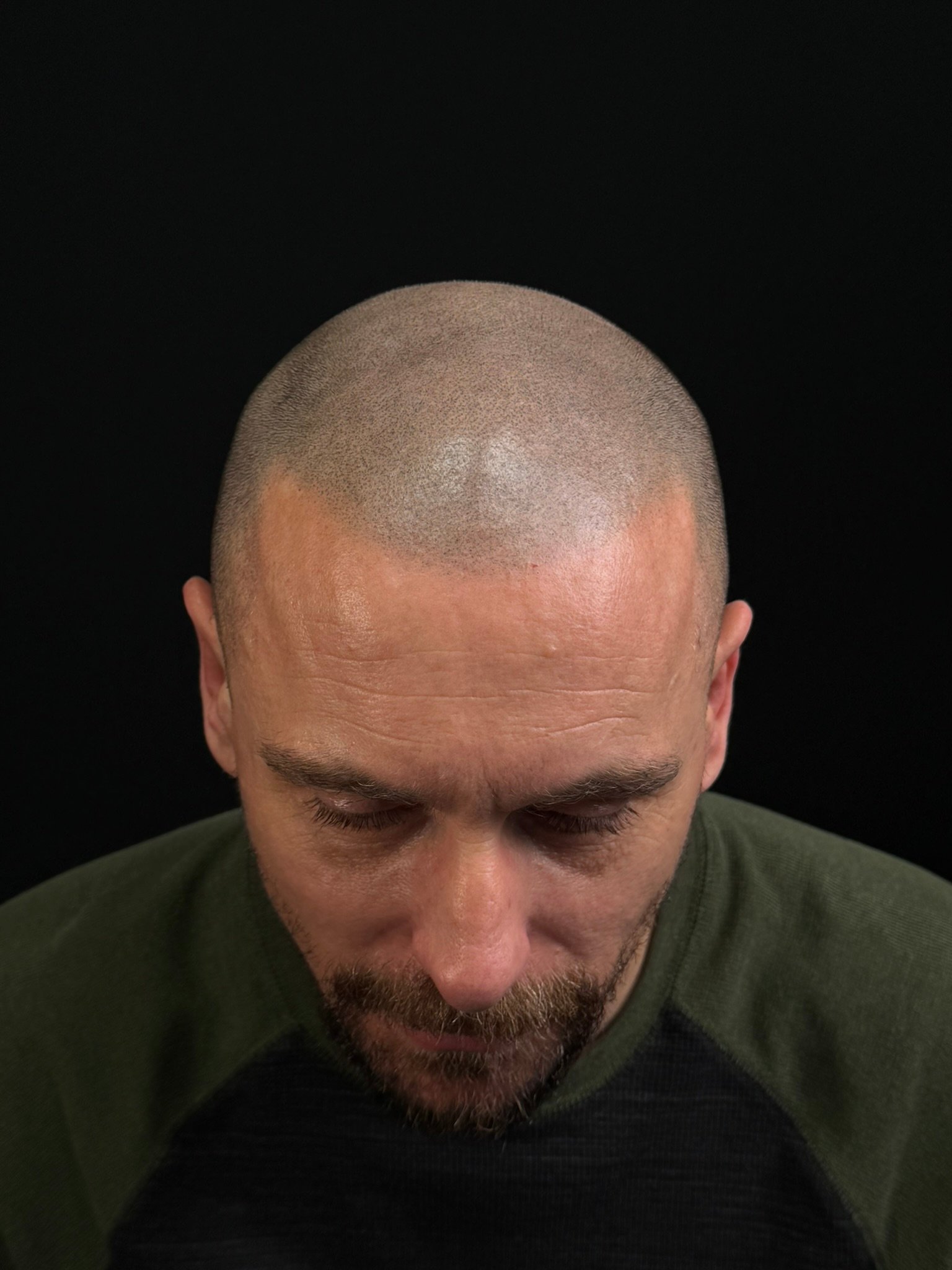
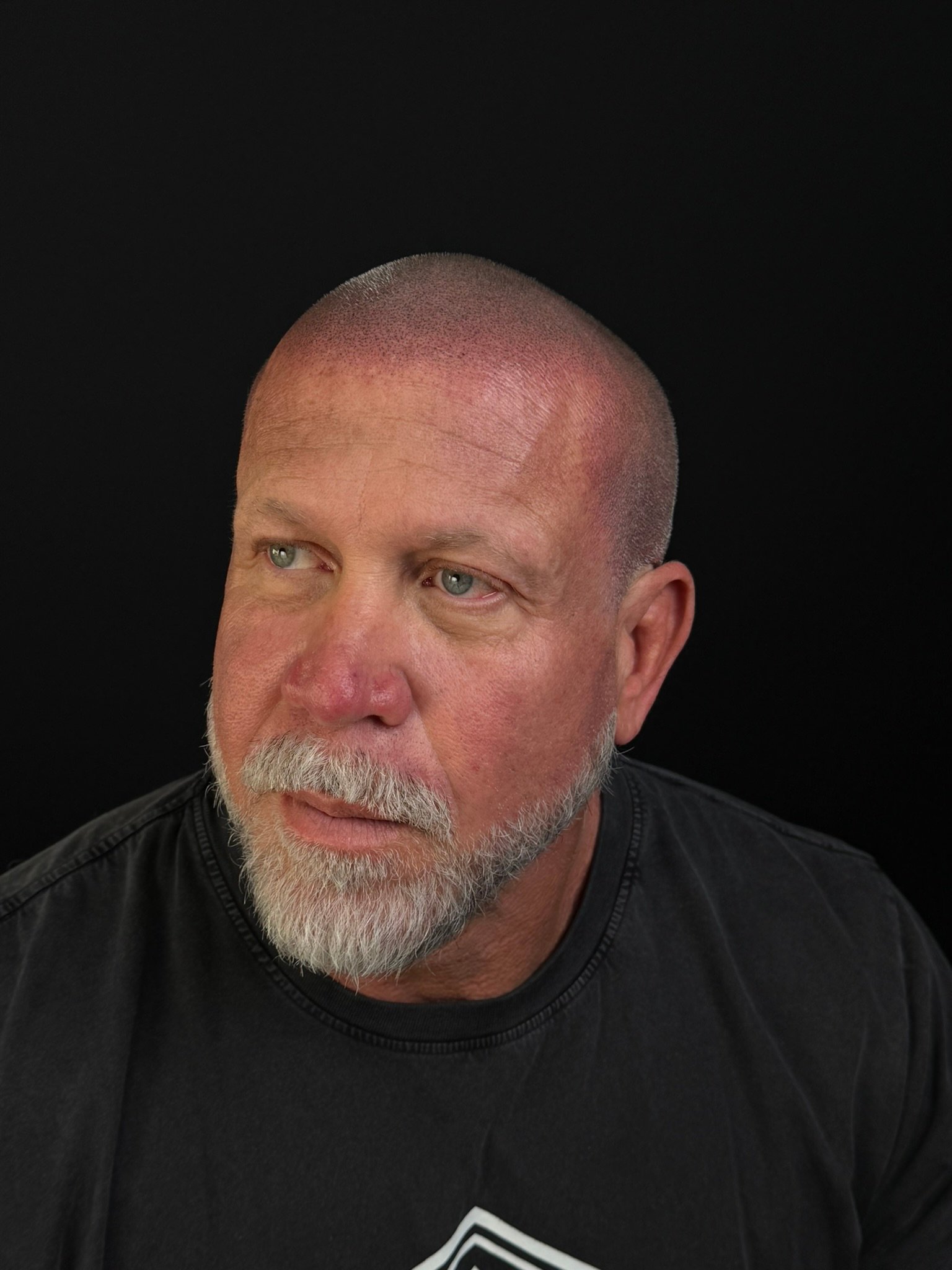
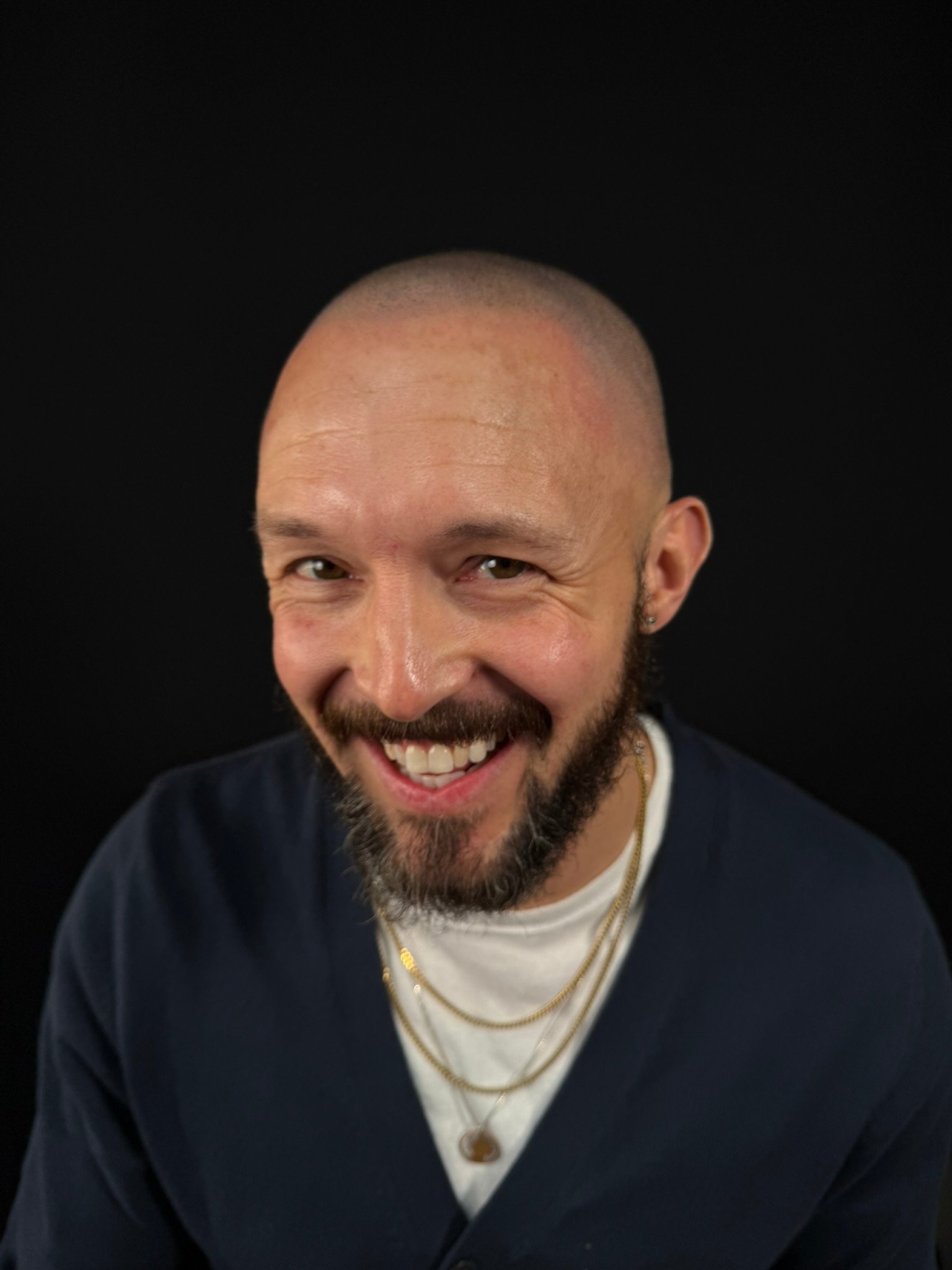
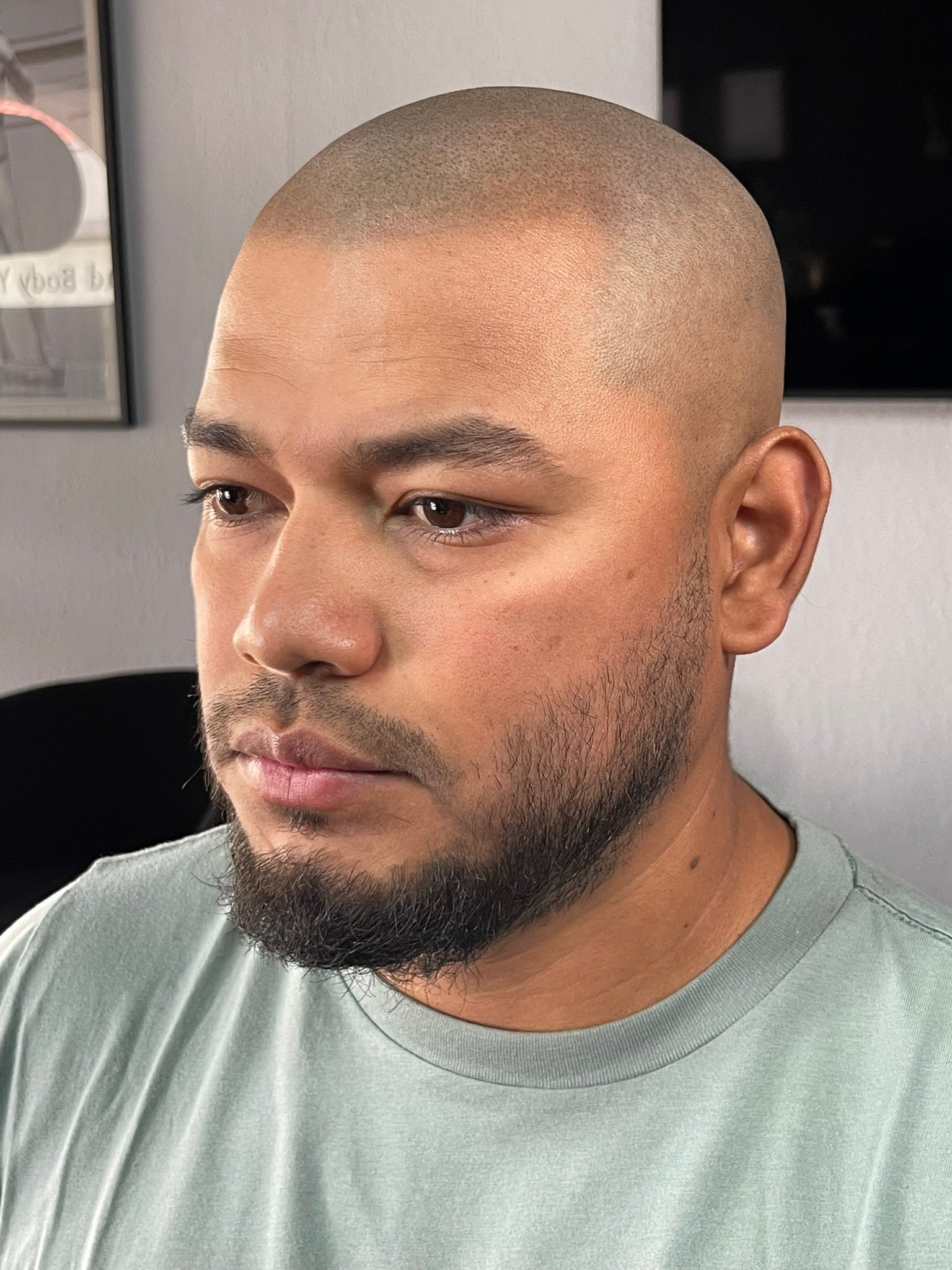
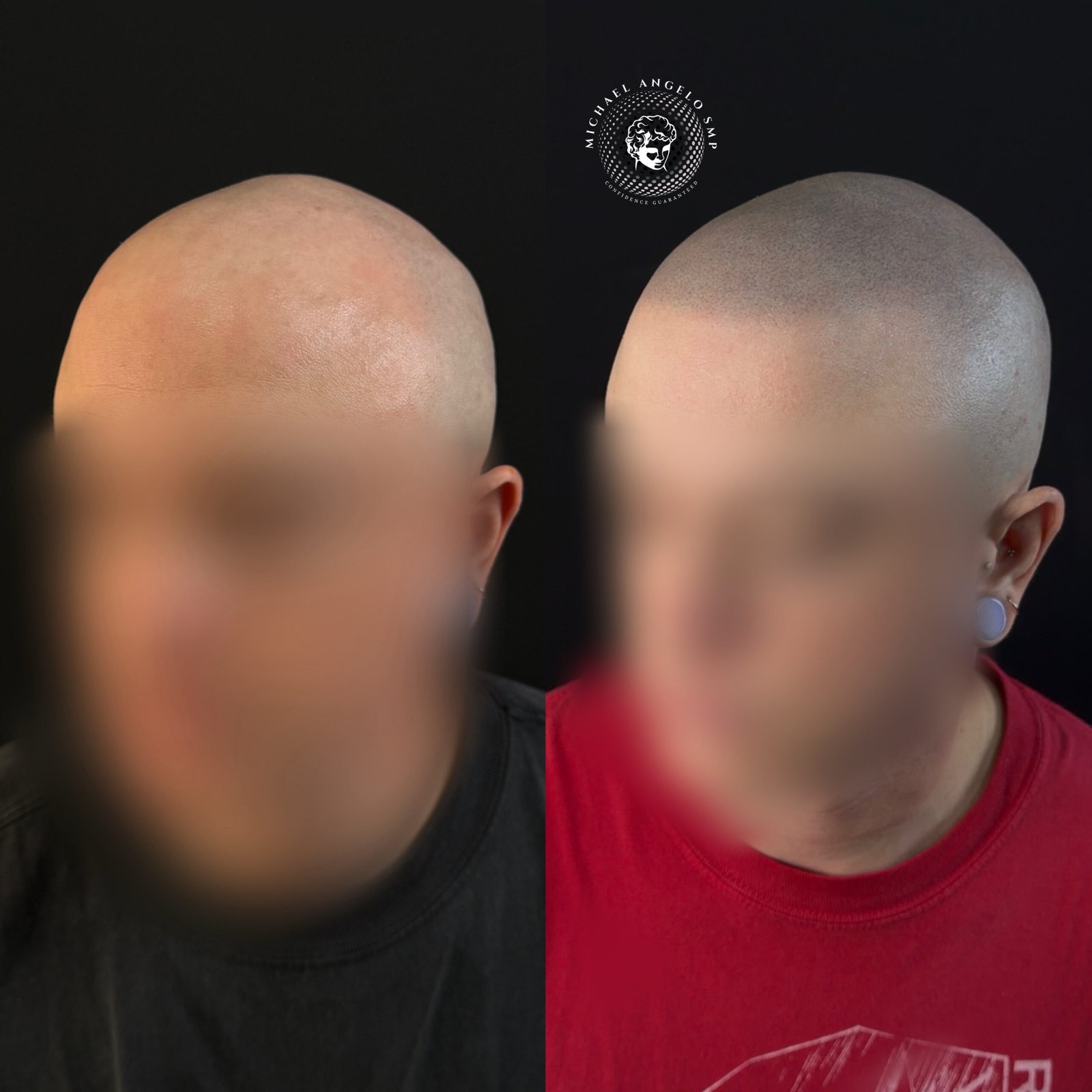
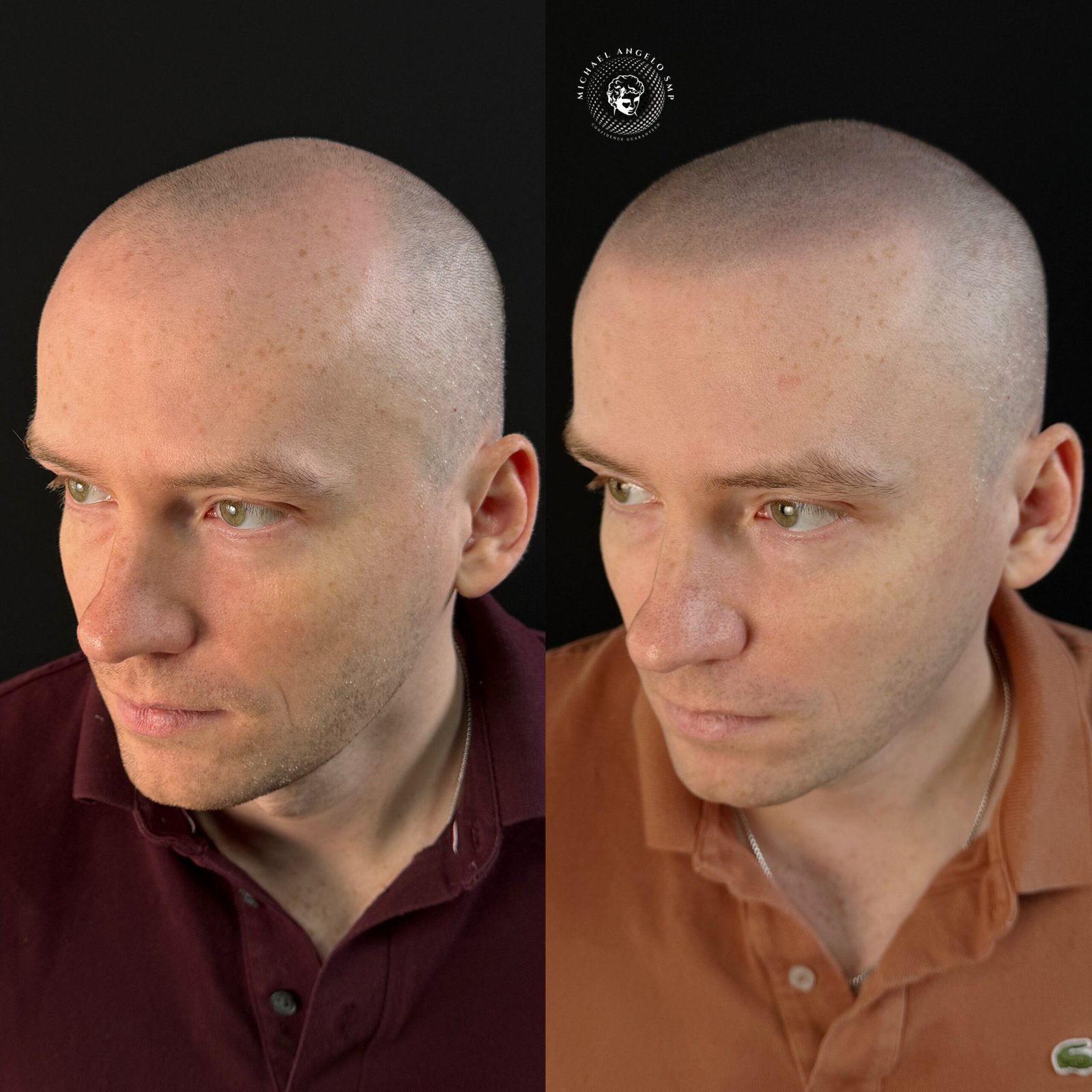
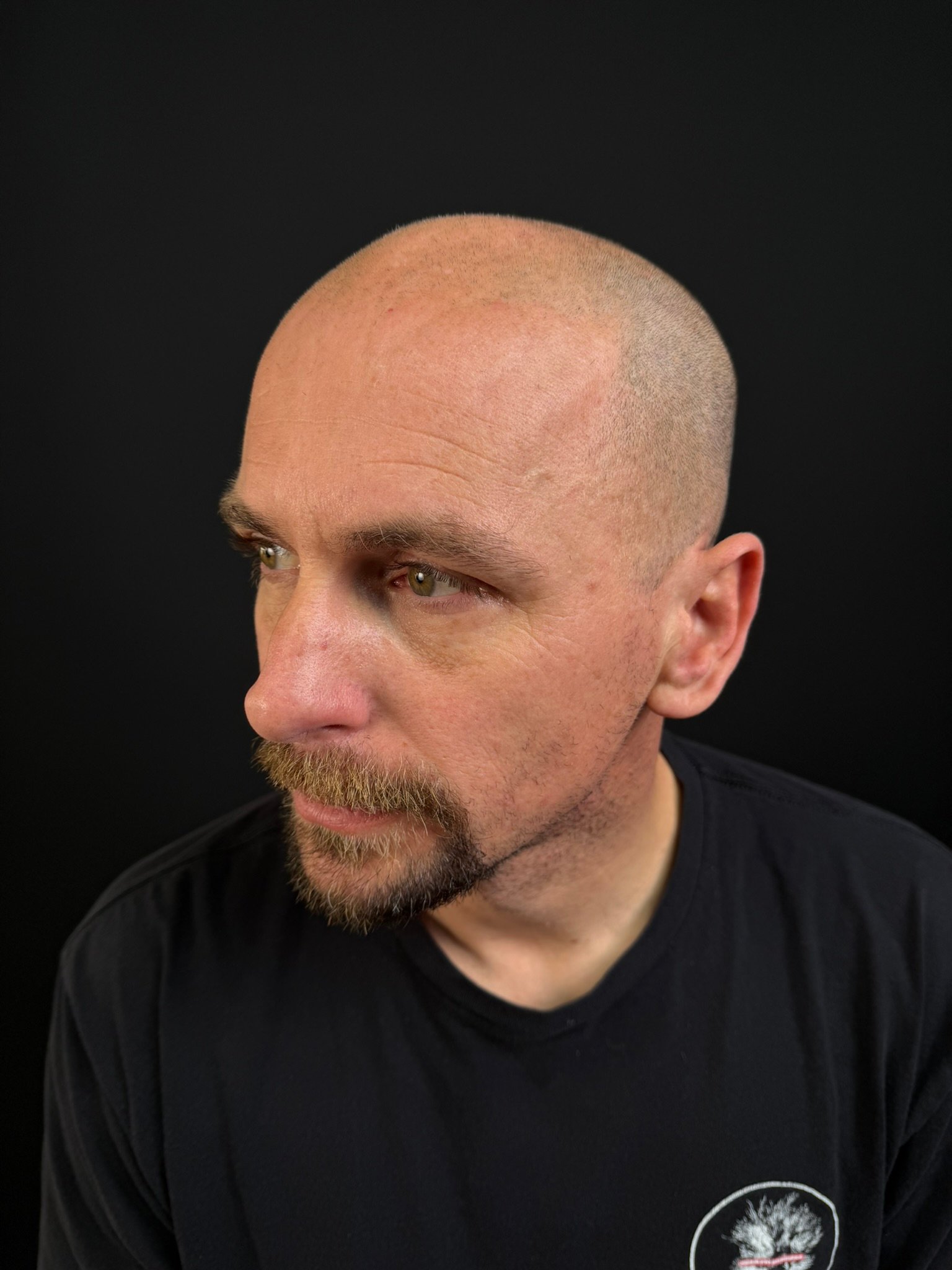
Real shaved-head SMP results.
Actual Michael Angelo SMP clients. Hairlines, density and blending are customized to the individual.
Individual results, healing and pigment retention vary.

Natural, defined, sharp or mature.
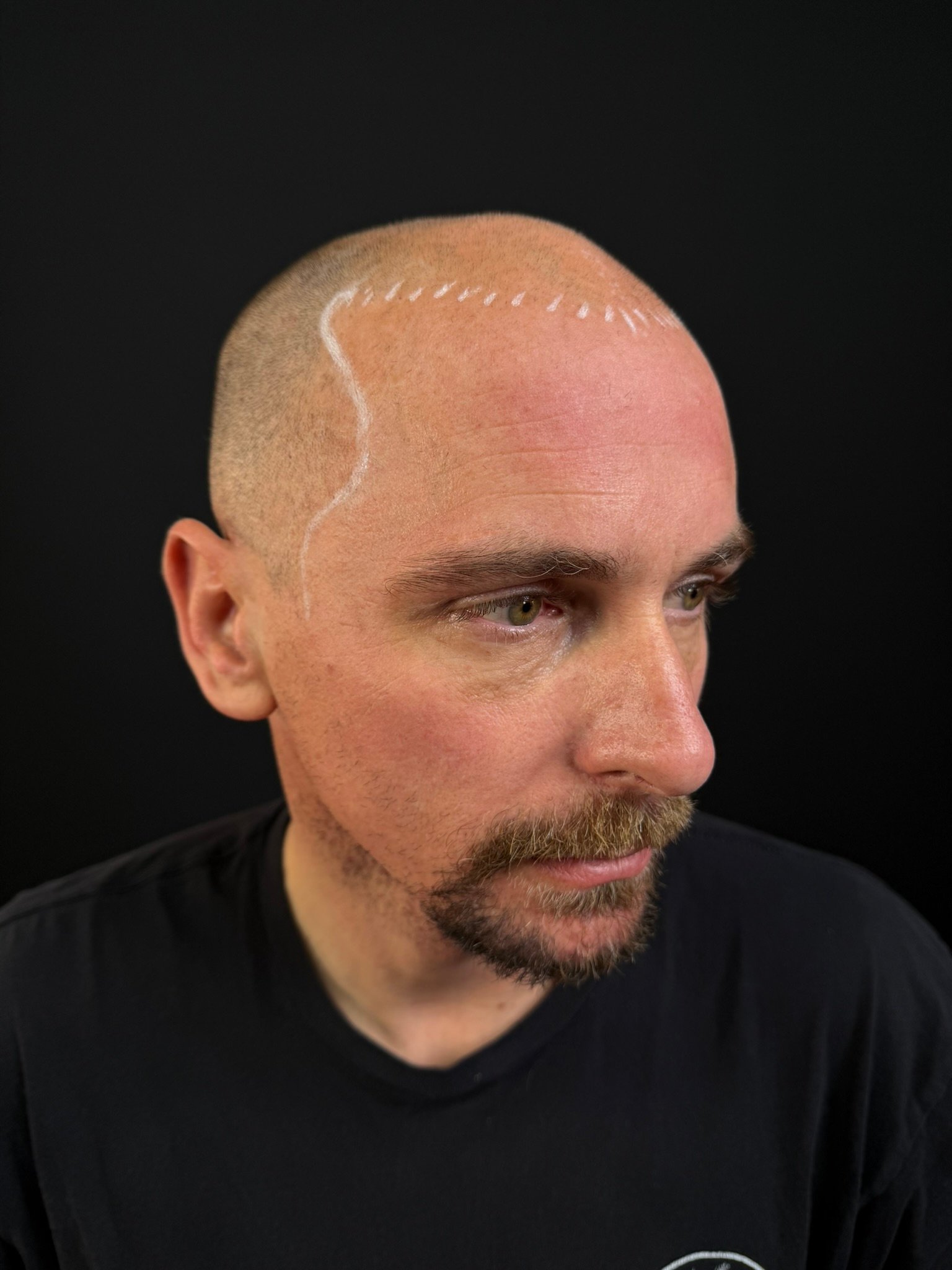
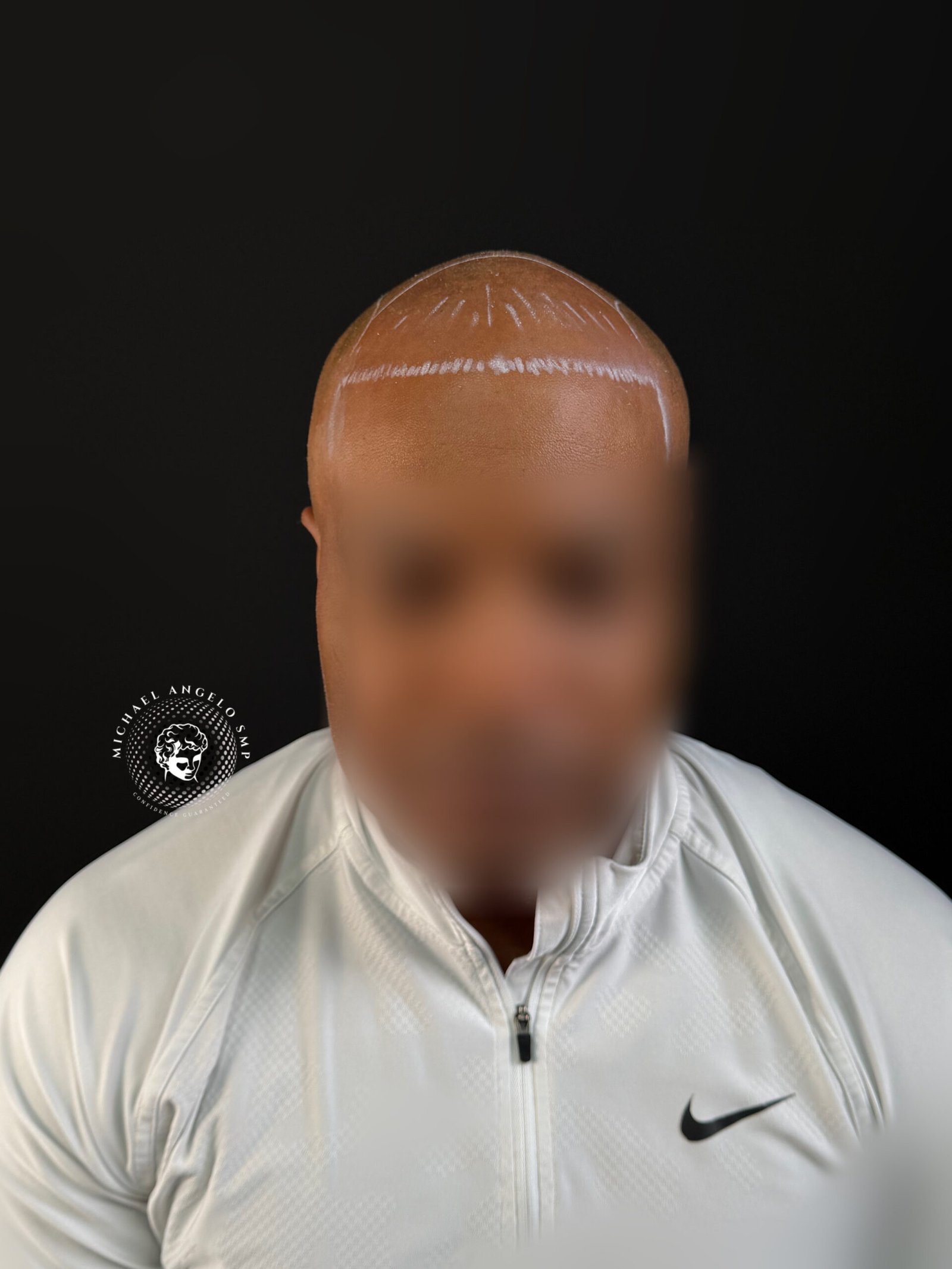
Hairline height, shape and softness are planned around your features and remaining hair.
Read more about hairline design
- Hairline design considers age, facial structure, previous hairline, remaining hair, degree of recession, desired height and how detectable the client wants the finished result to be.
- A natural hairline generally softens toward the leading edge rather than beginning at maximum density.
- A more defined or sharp design can also be created when that is the client’s preference.
- SMP can visually reconstruct a completely lost hairline, complement an existing receded hairline or, in appropriate cases, create a somewhat lower design.
- We generally avoid going unnecessarily low because leaving room preserves more flexibility for future changes.
 Tap to enlarge ↗
 Tap to enlarge ↗
 Tap to enlarge ↗
 Tap to enlarge ↗
 Tap to enlarge ↗
 Tap to enlarge ↗
 Tap to enlarge ↗
 Tap to enlarge ↗
 Tap to enlarge ↗
 Tap to enlarge ↗
 Tap to enlarge ↗
 Tap to enlarge ↗
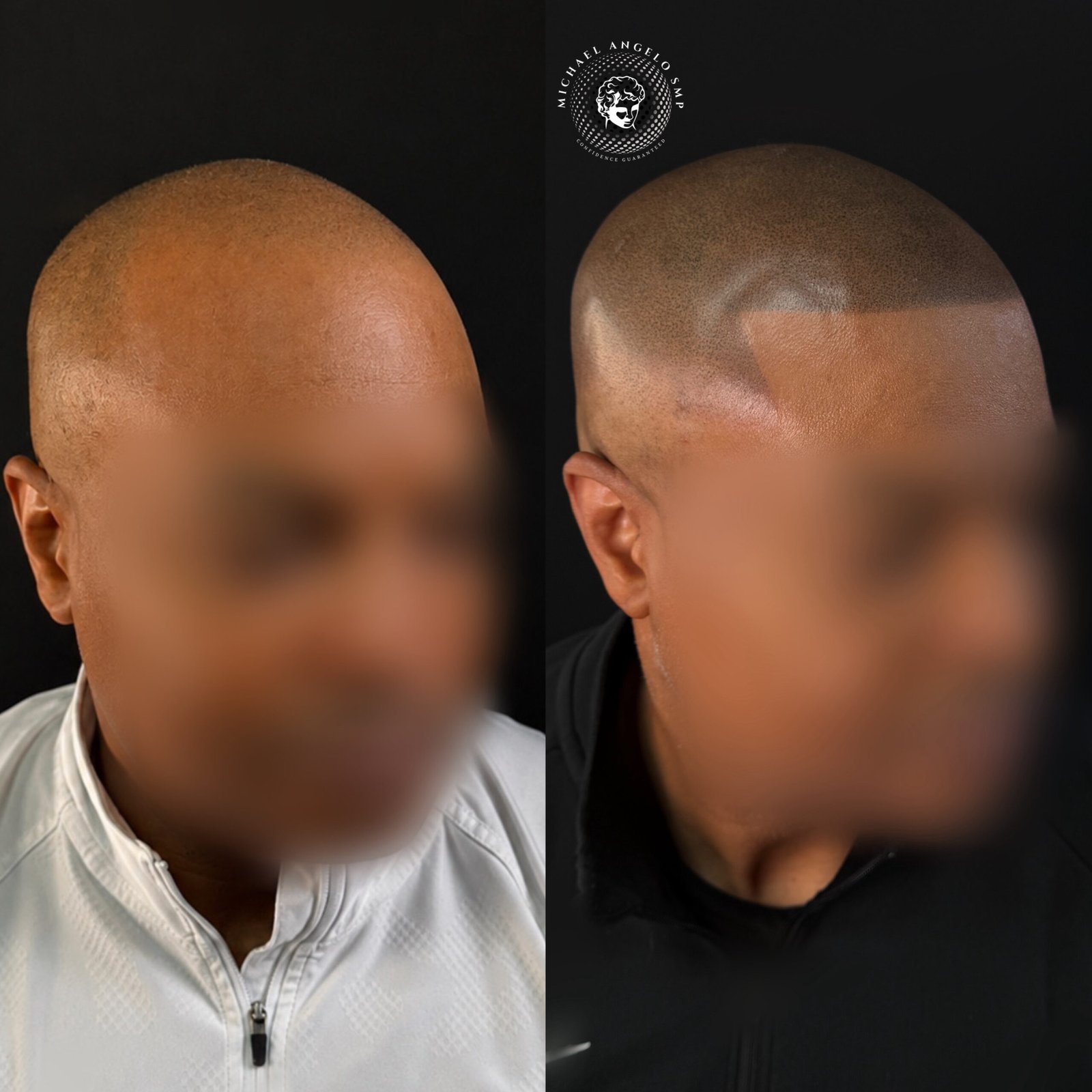
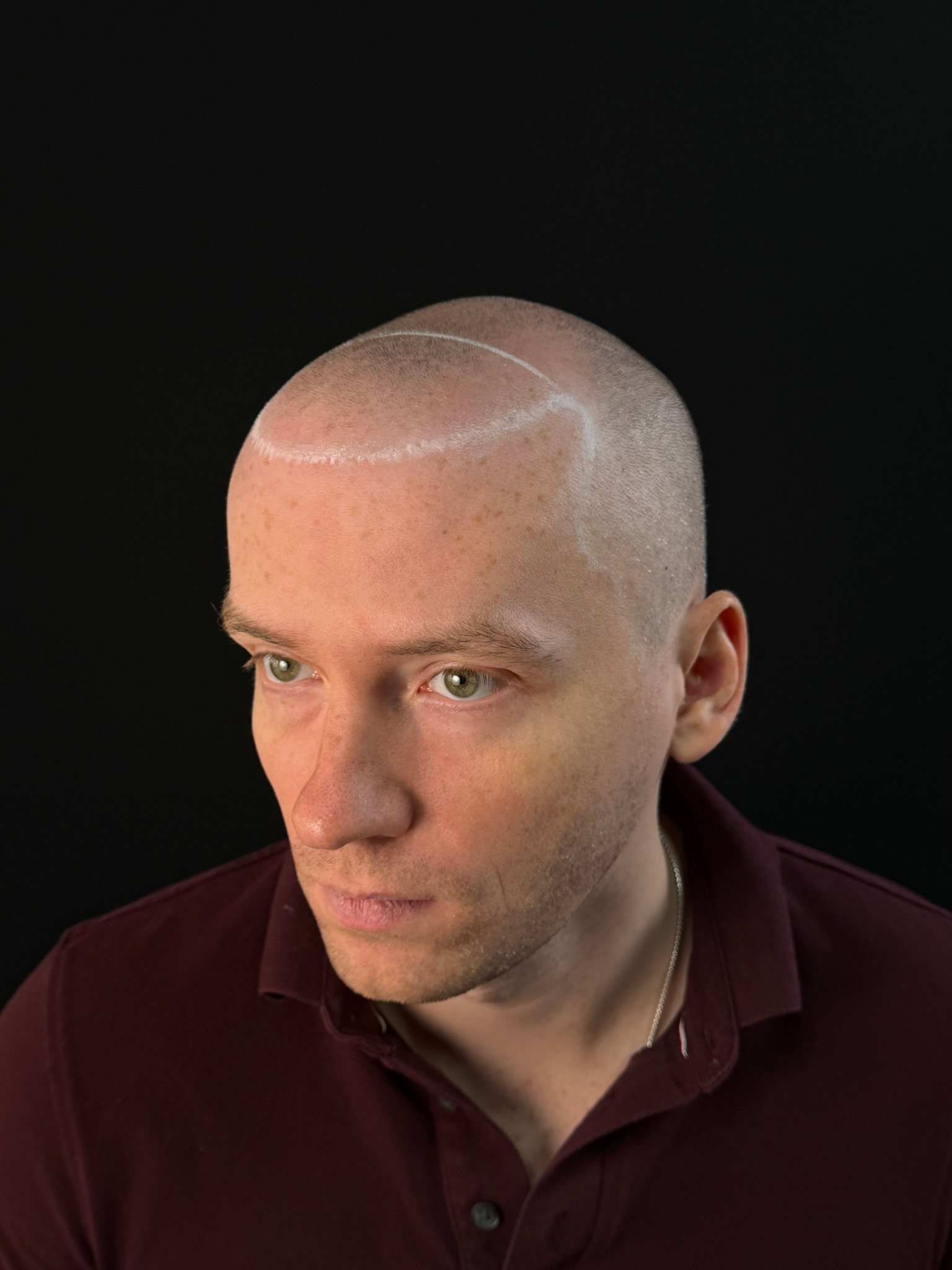
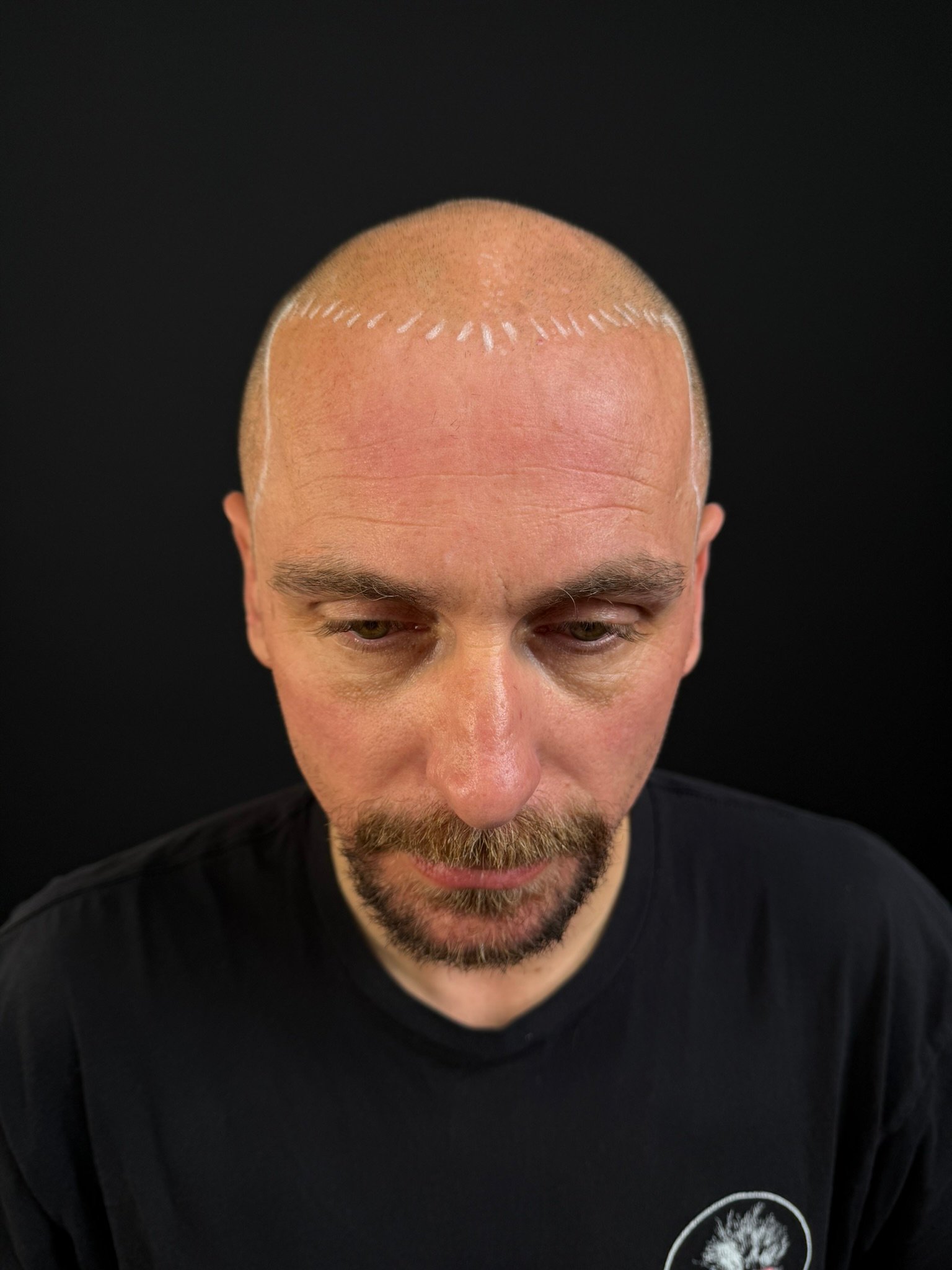
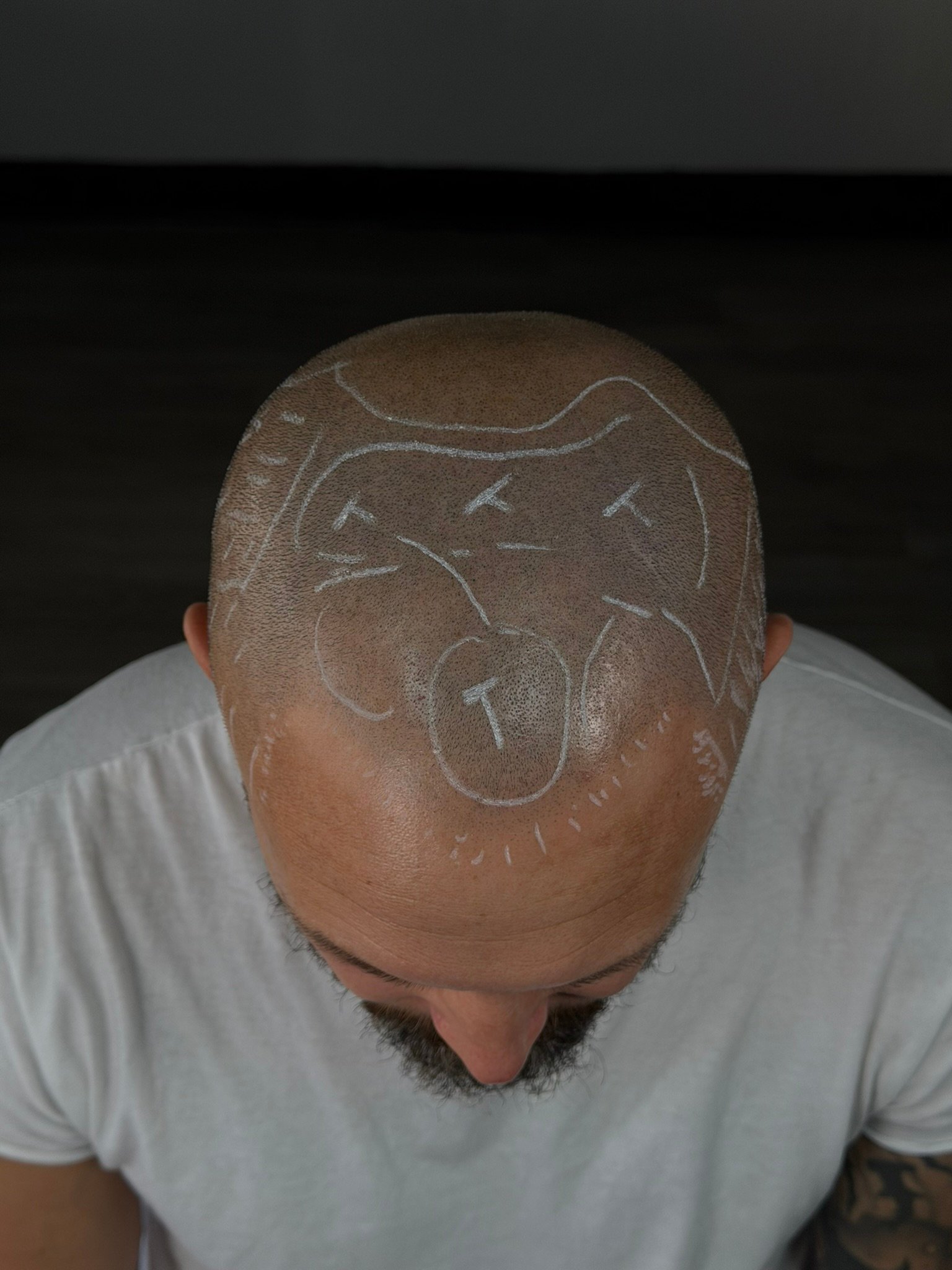
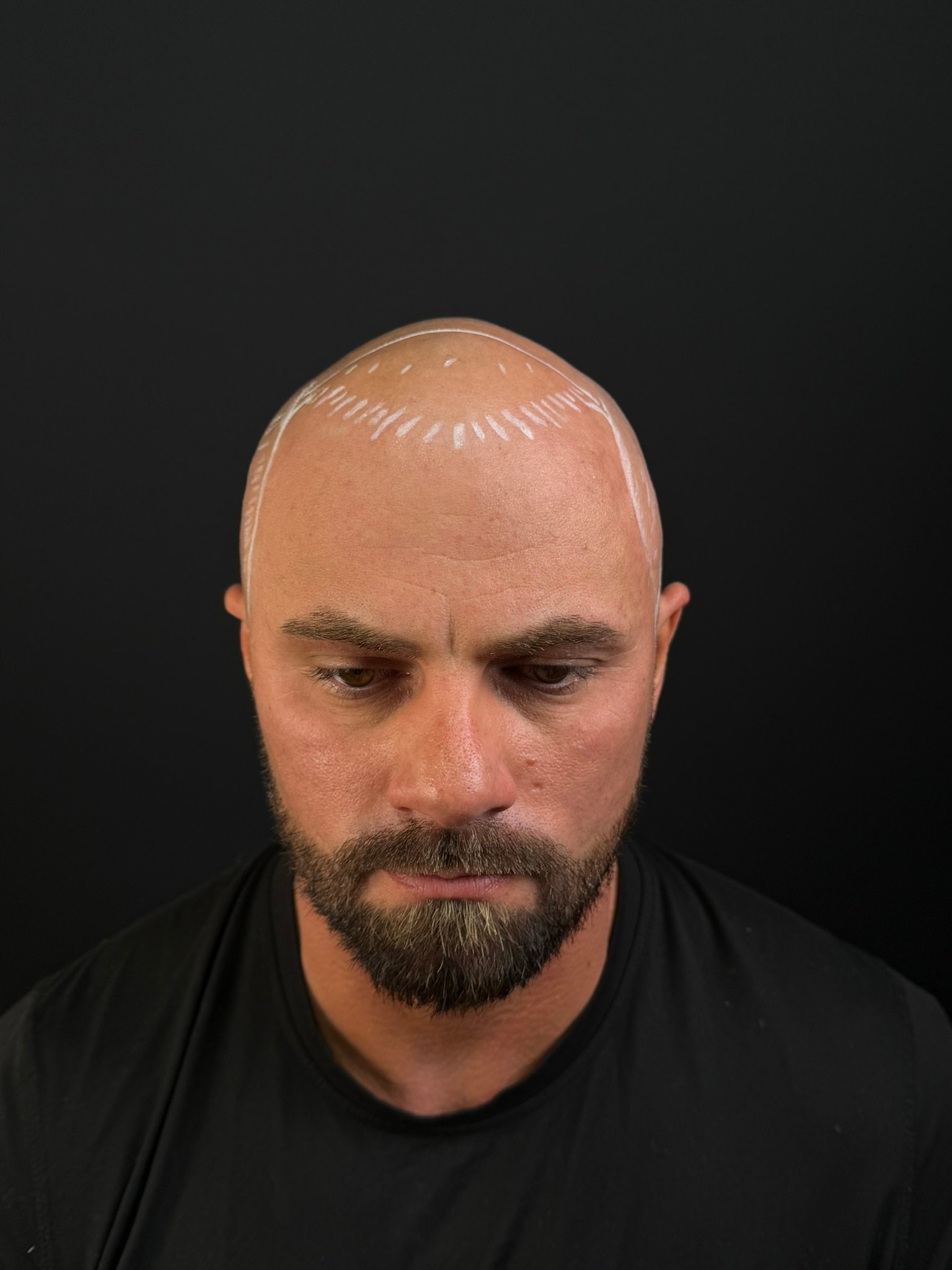
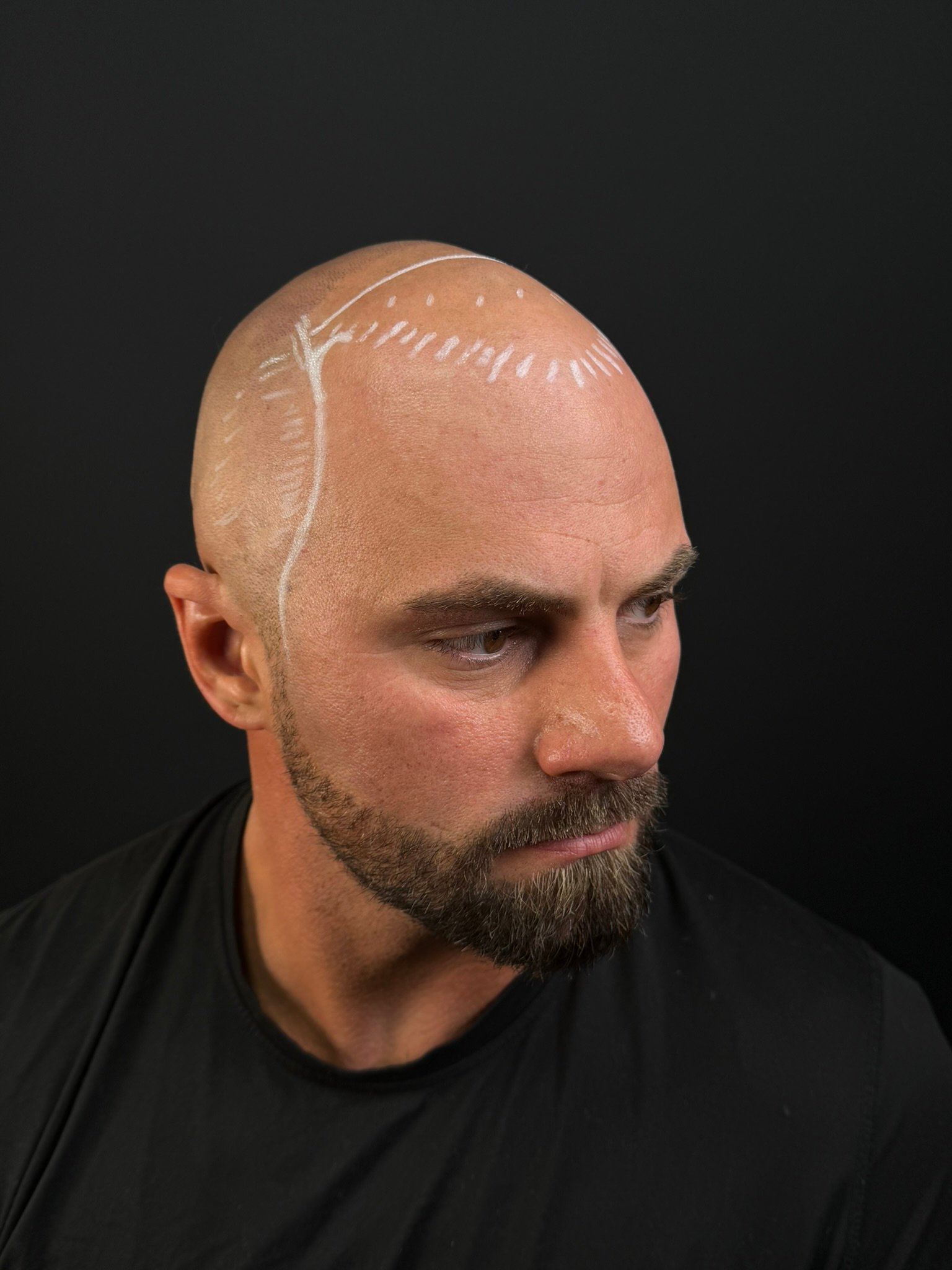
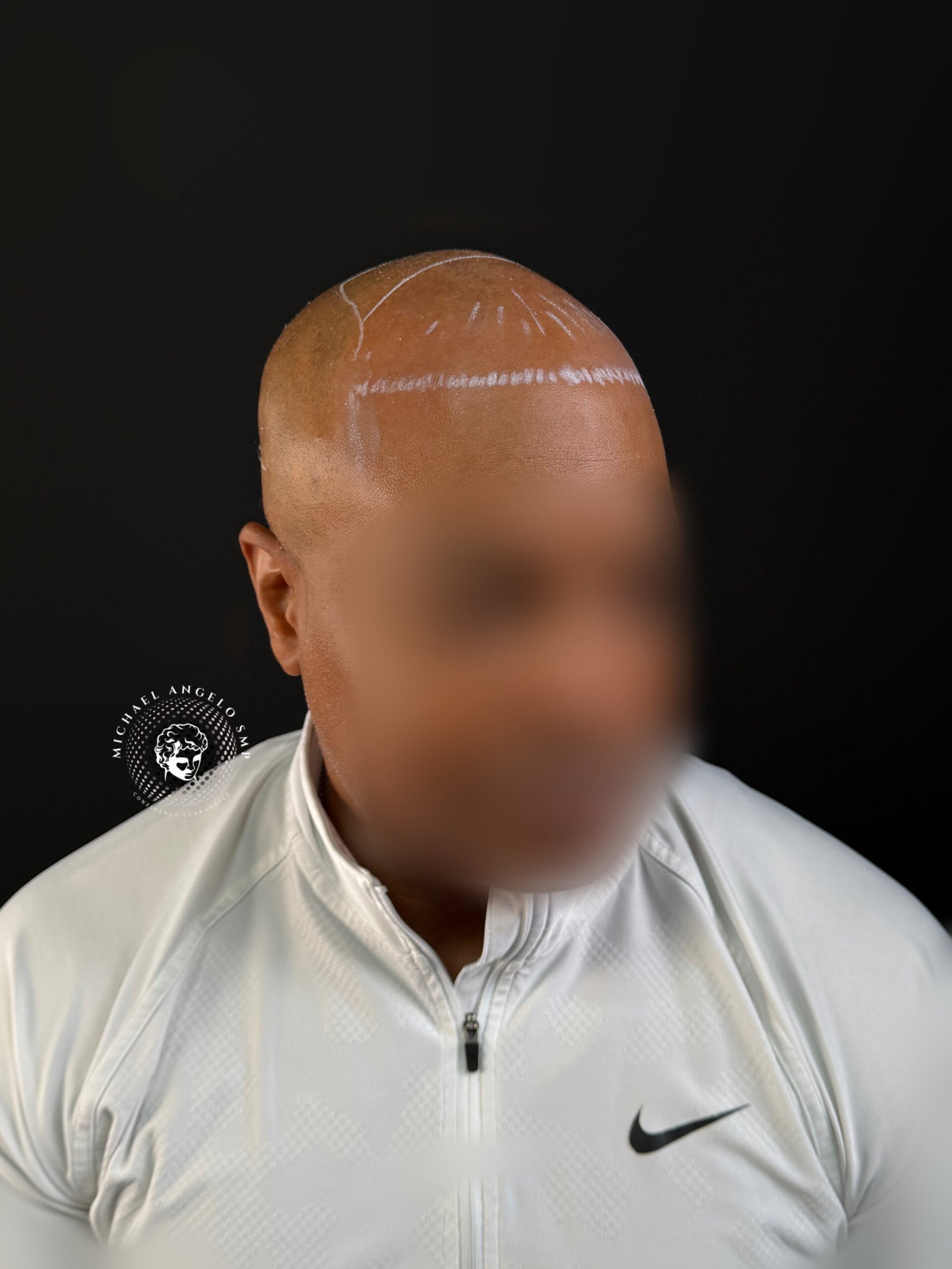
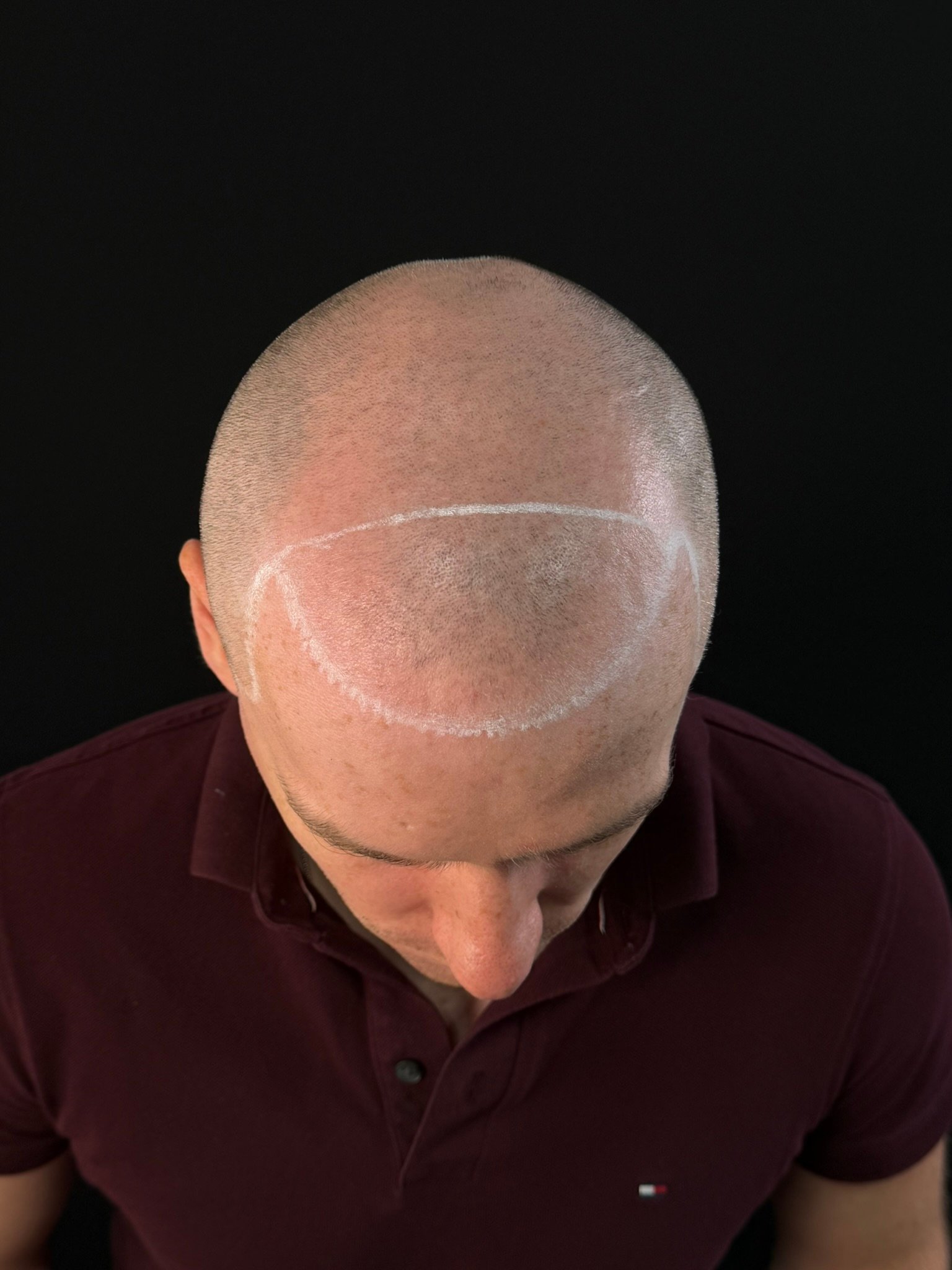
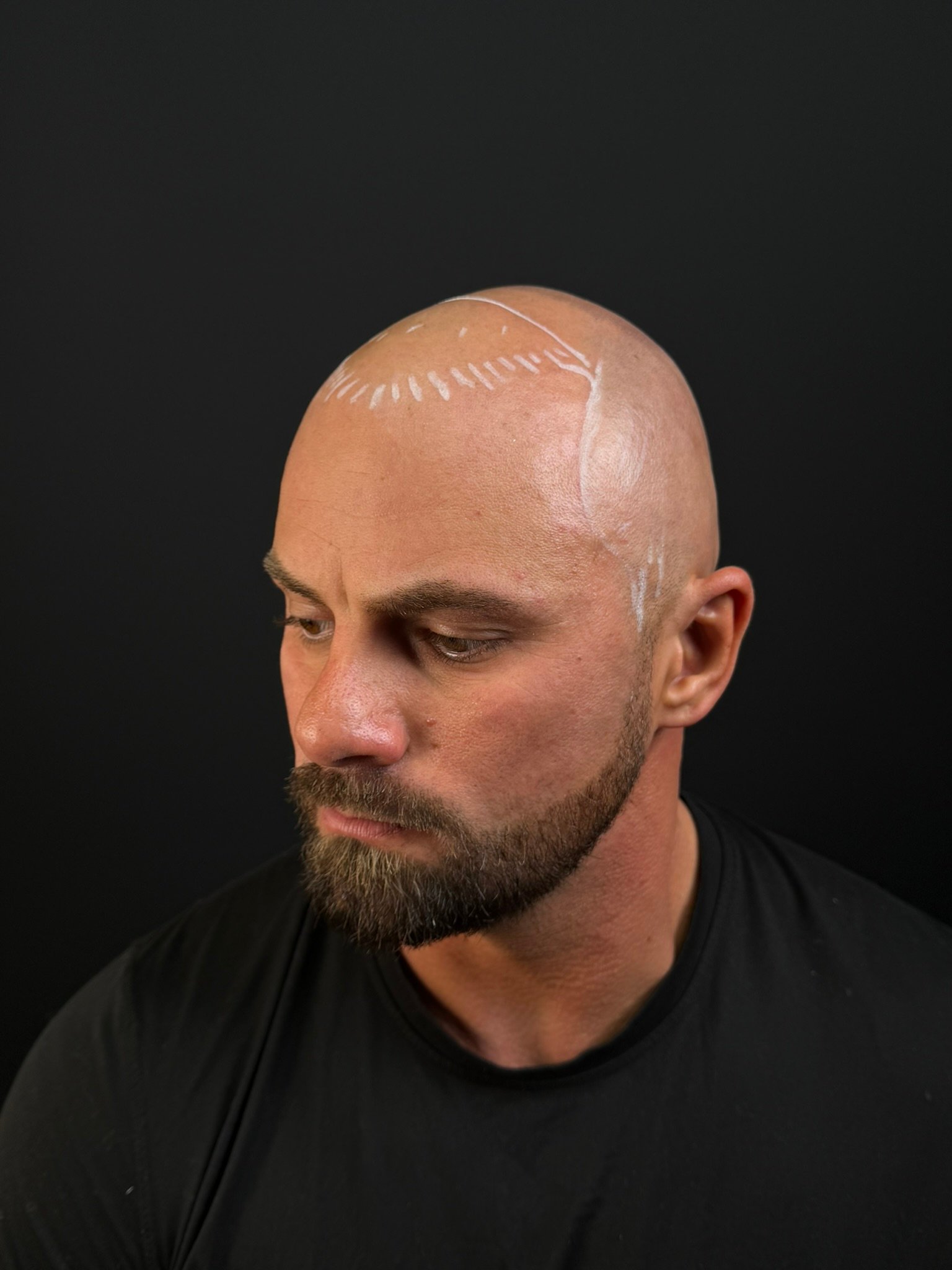
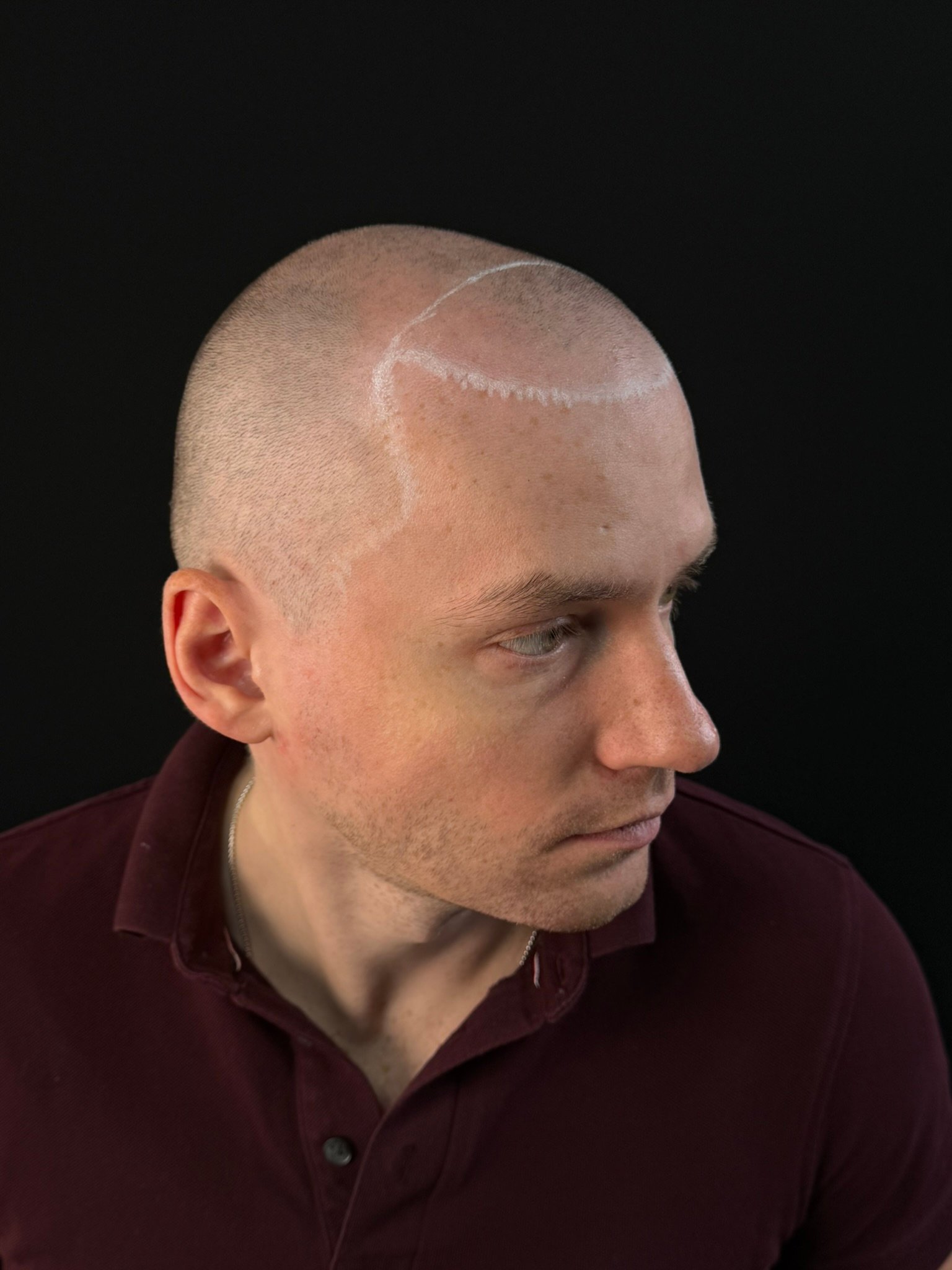
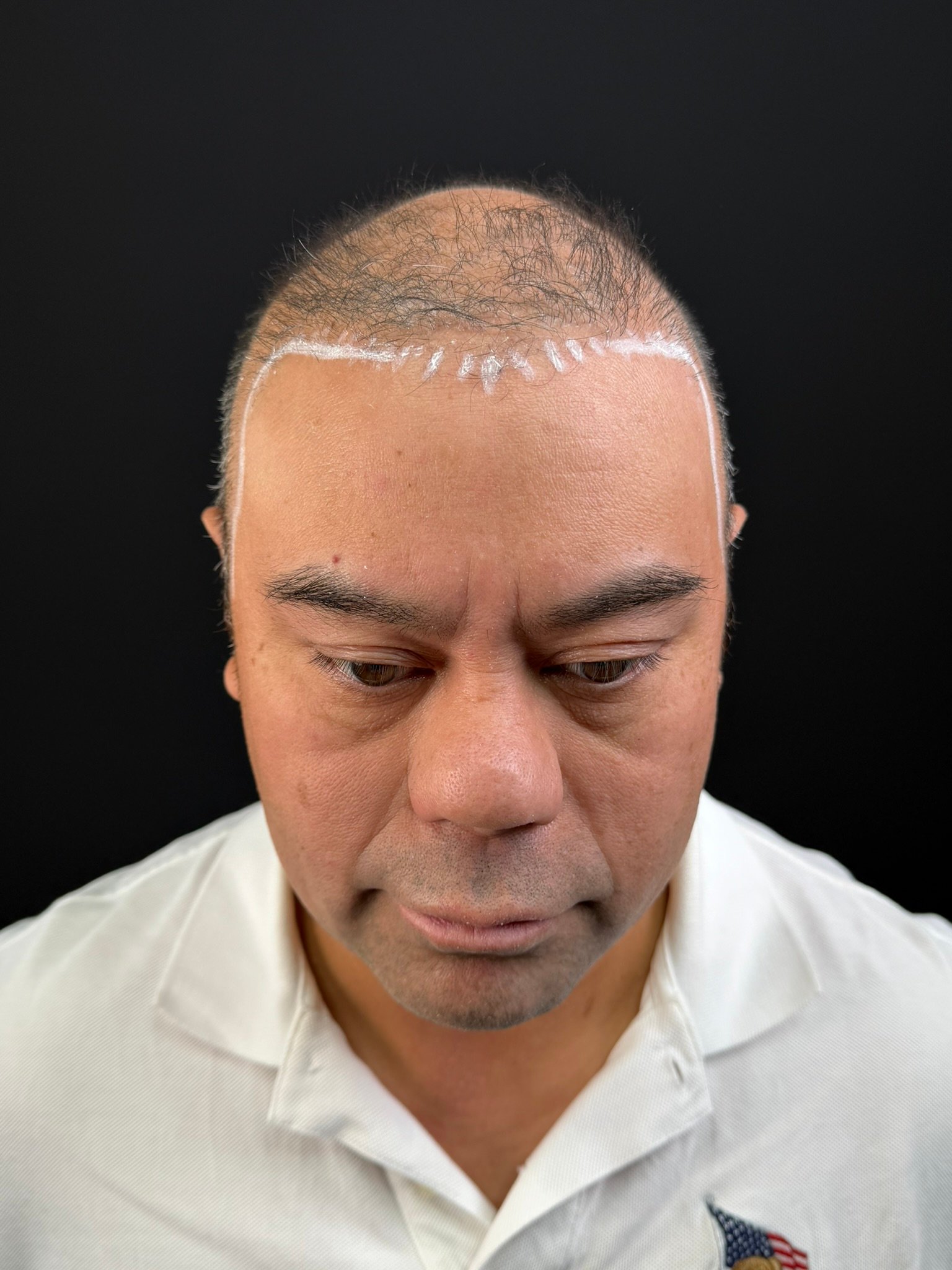
Before treatment: mapping.
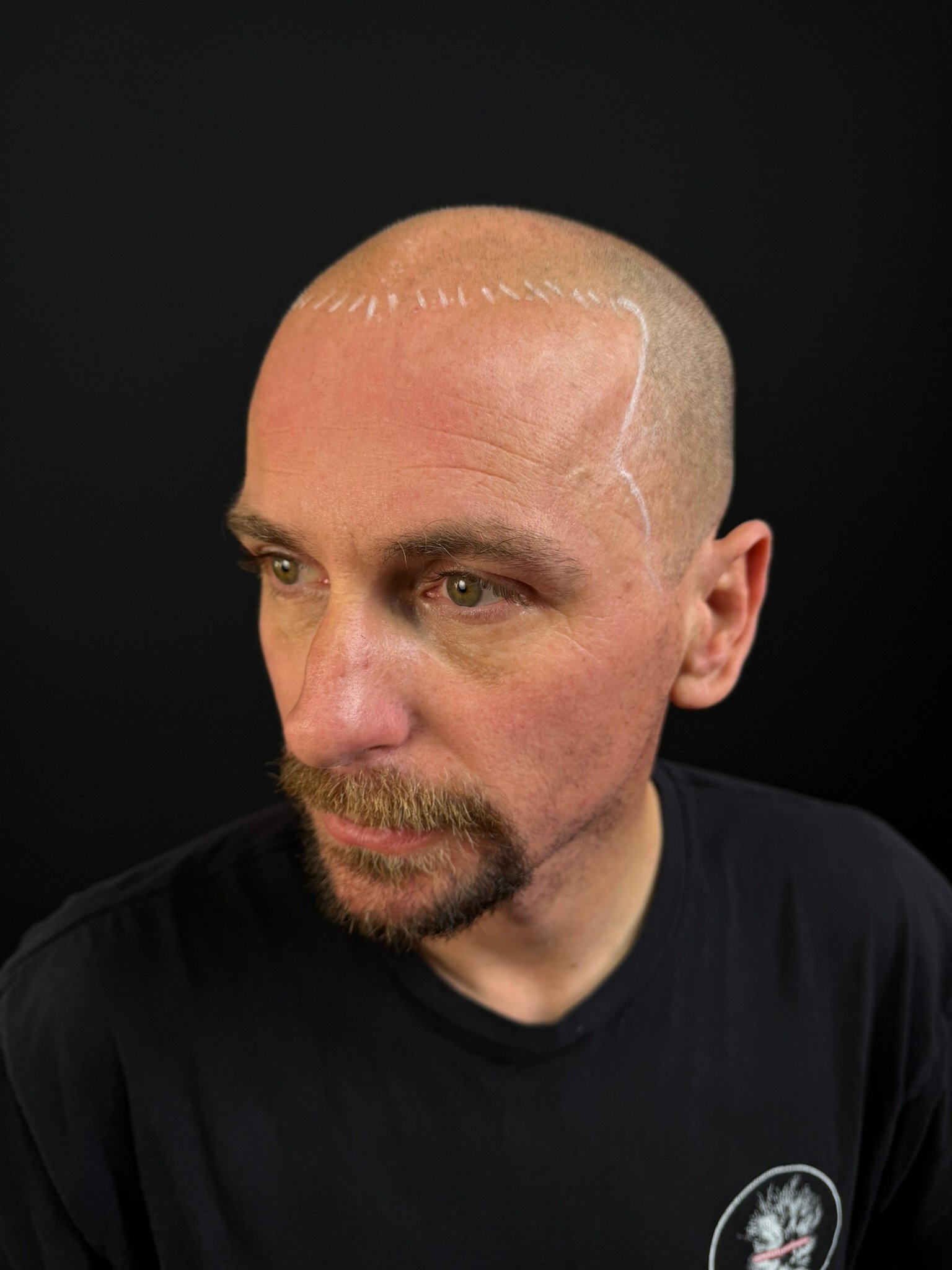
We draw and review the proposed hairline together before placing pigment.
 Tap to enlarge ↗Tap to enlarge ↗
 Tap to enlarge ↗Tap to enlarge ↗Tap to enlarge ↗
 Tap to enlarge ↗
 Tap to enlarge ↗
 Tap to enlarge ↗
 Tap to enlarge ↗
 Tap to enlarge ↗
 Tap to enlarge ↗
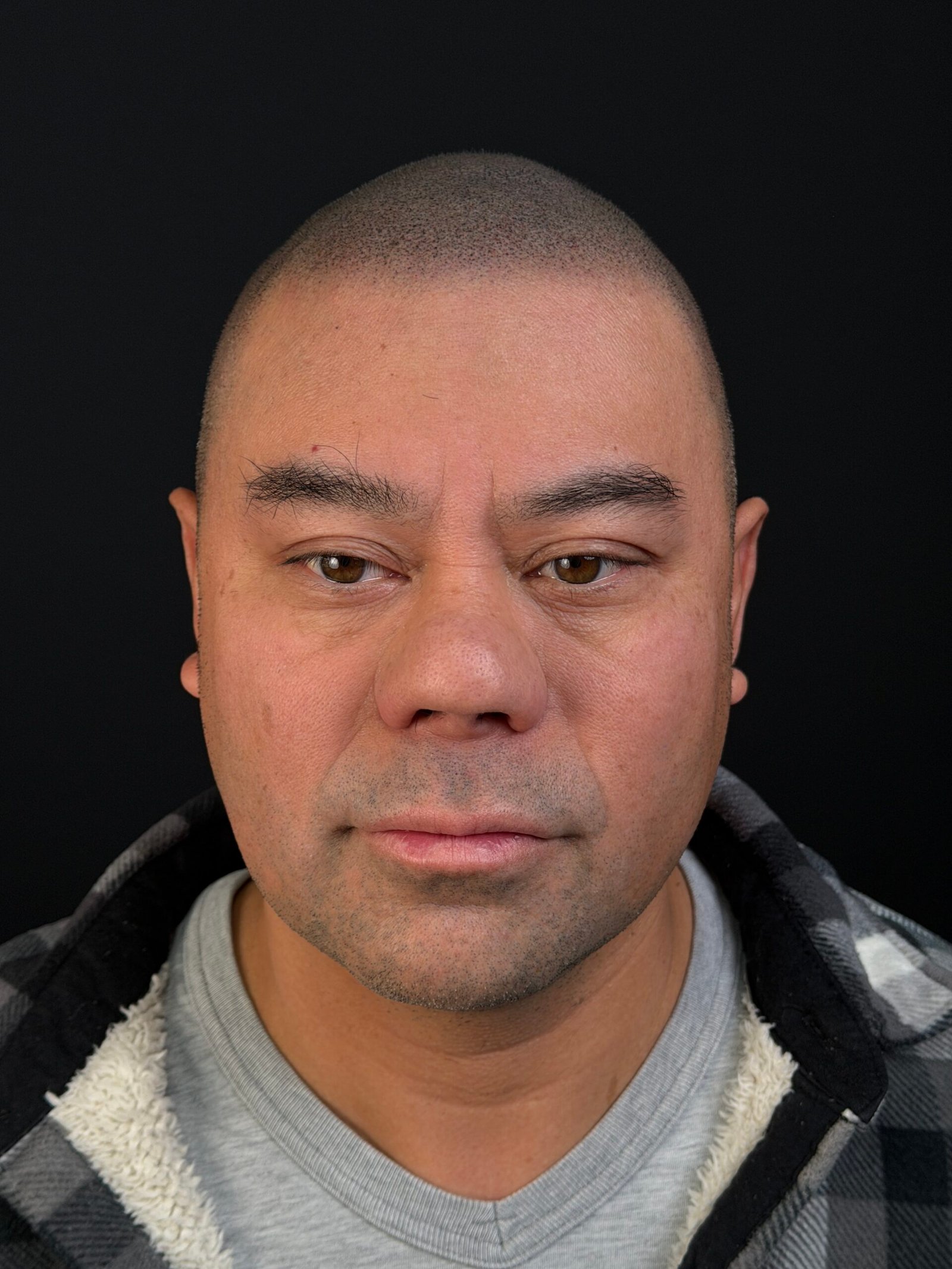
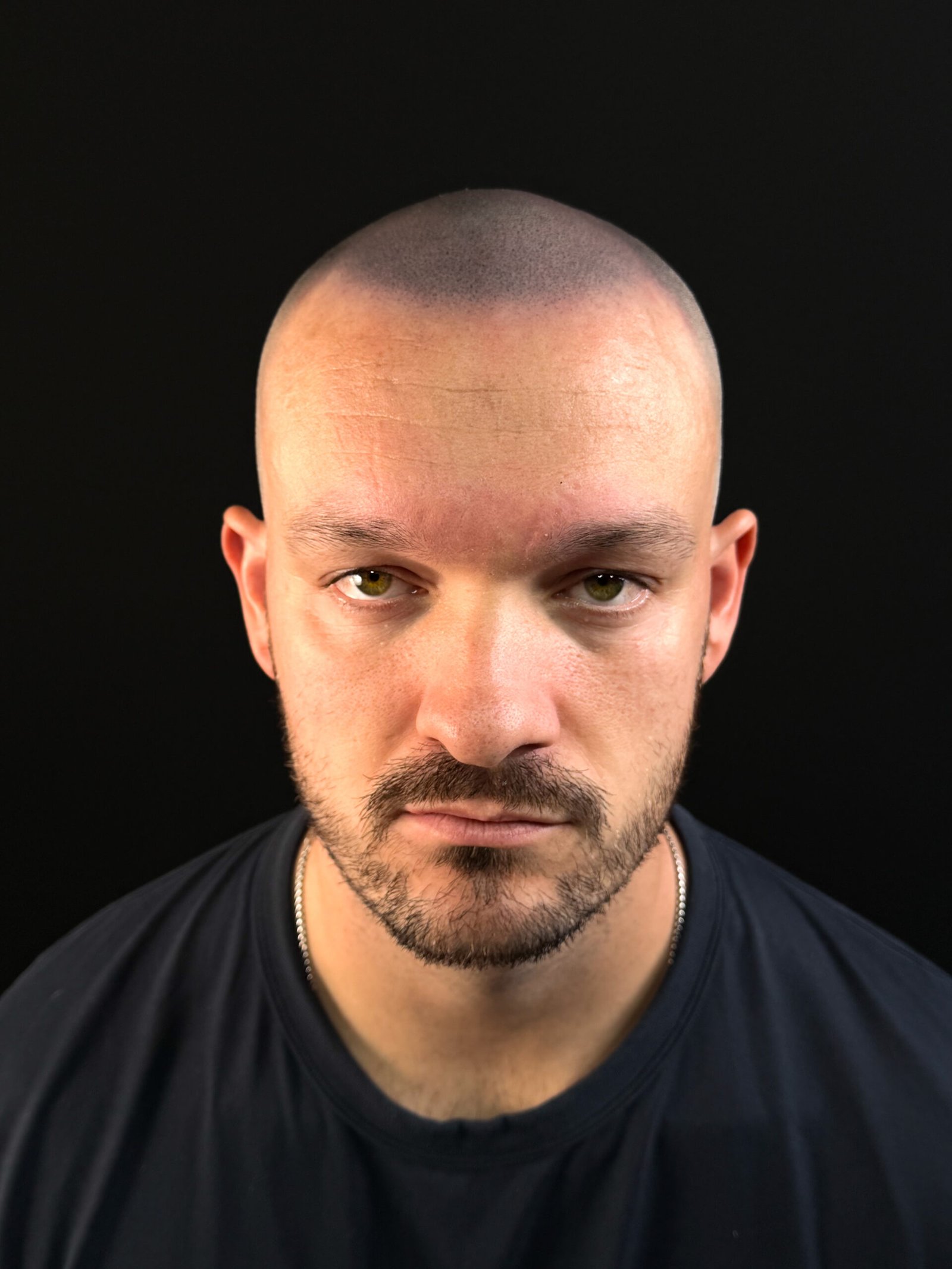
After treatment: reconstructed hairlines.
Examples of completed or progressed SMP rebuilding the frontal frame.
How Natural SMP Is Designed.
Explore the texture, pigment choices and blending behind a believable shaved-head result.
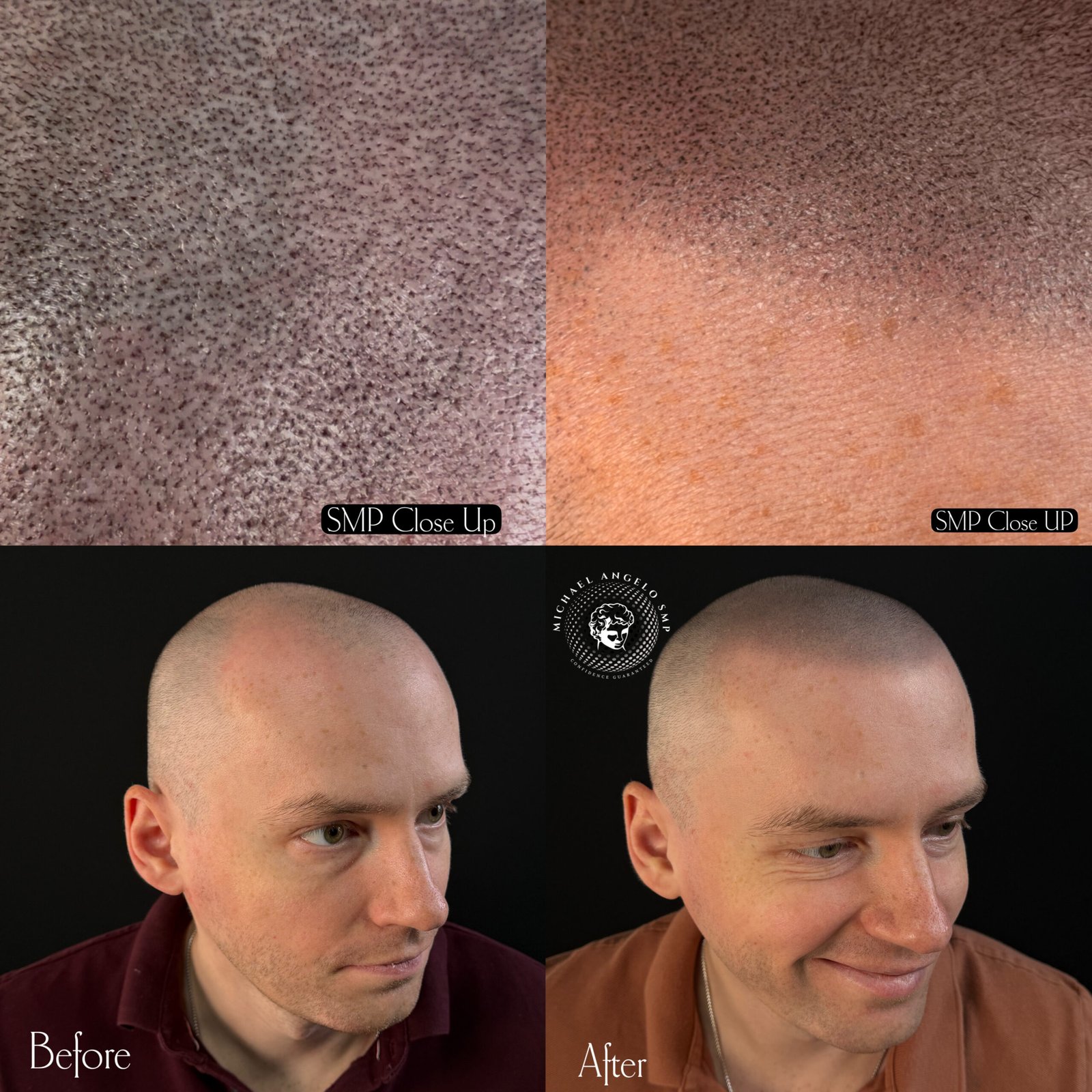
Designed around real shaved follicles.
Size, spacing, distribution, depth, healed color and blending work together.
Read more about the technique
Impression Size
- Impression size should complement the client’s existing shaved follicles.
- Needle choice, pressure, placement and skin response can influence how an impression heals.
Spacing
- Natural follicle spacing varies.
- Some clients show a finer, tighter visual pattern while others have a more open or coarser shaved texture.
- The SMP pattern should reflect that difference.
Distribution
- Distribution is how impressions are arranged across an area.
- The goal is appropriate visual density—not maximum pigment—so reconstructed areas connect naturally with remaining hair.
Depth & Pressure
- Pigment placed too superficially may retain poorly.
- Placement that is too deep or traumatic can increase the risk of impressions healing larger, spreading or losing their crisp follicle-like appearance.
Color
- Pigment is selected and diluted around skin characteristics, existing shaved follicles and the appearance we expect after healing—not simply because a client has “black” or “brown” hair.
Blending
- The reconstructed pattern should transition into the client’s real shaved hair without an obvious line showing where SMP starts and natural follicles stop.
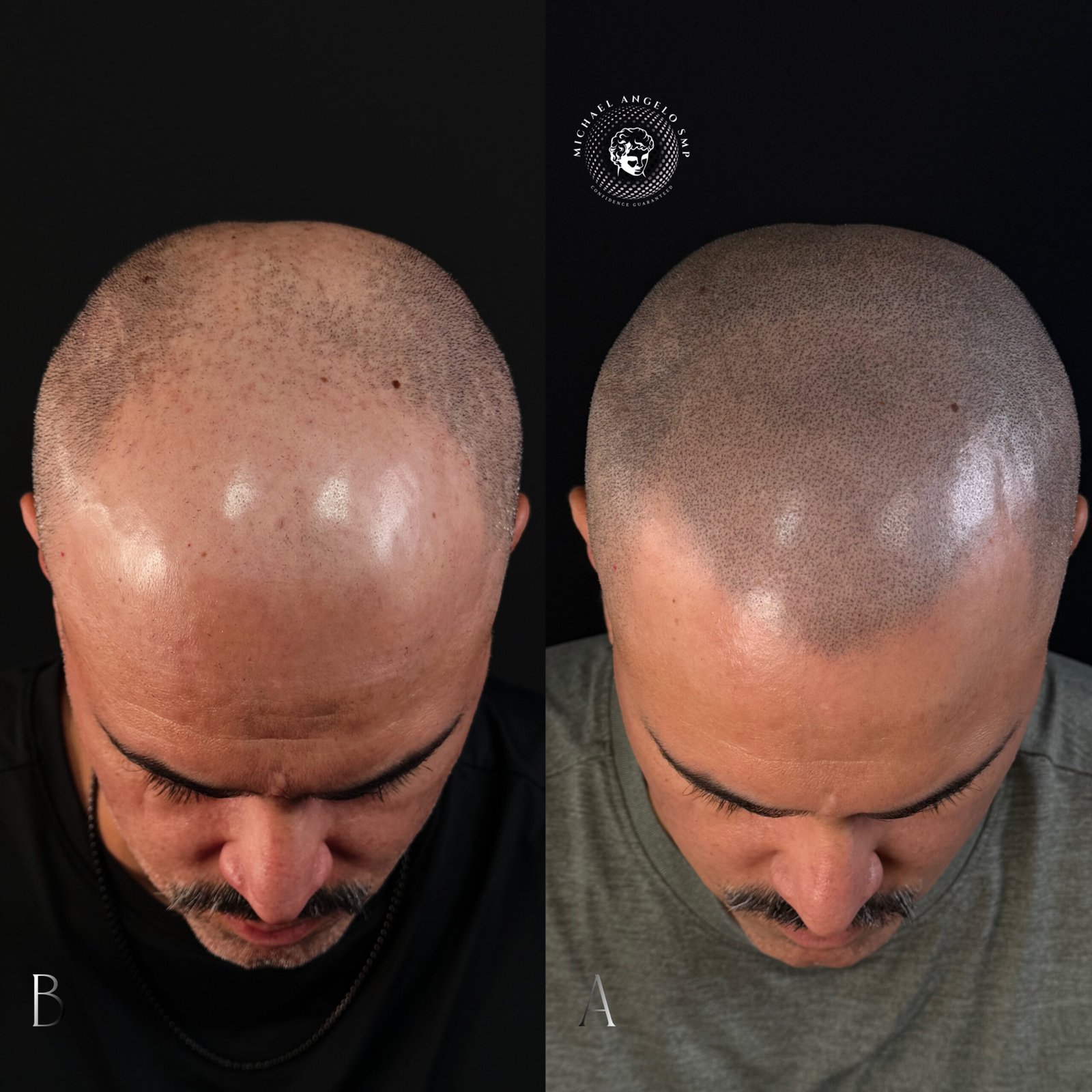
Real follicles and SMP
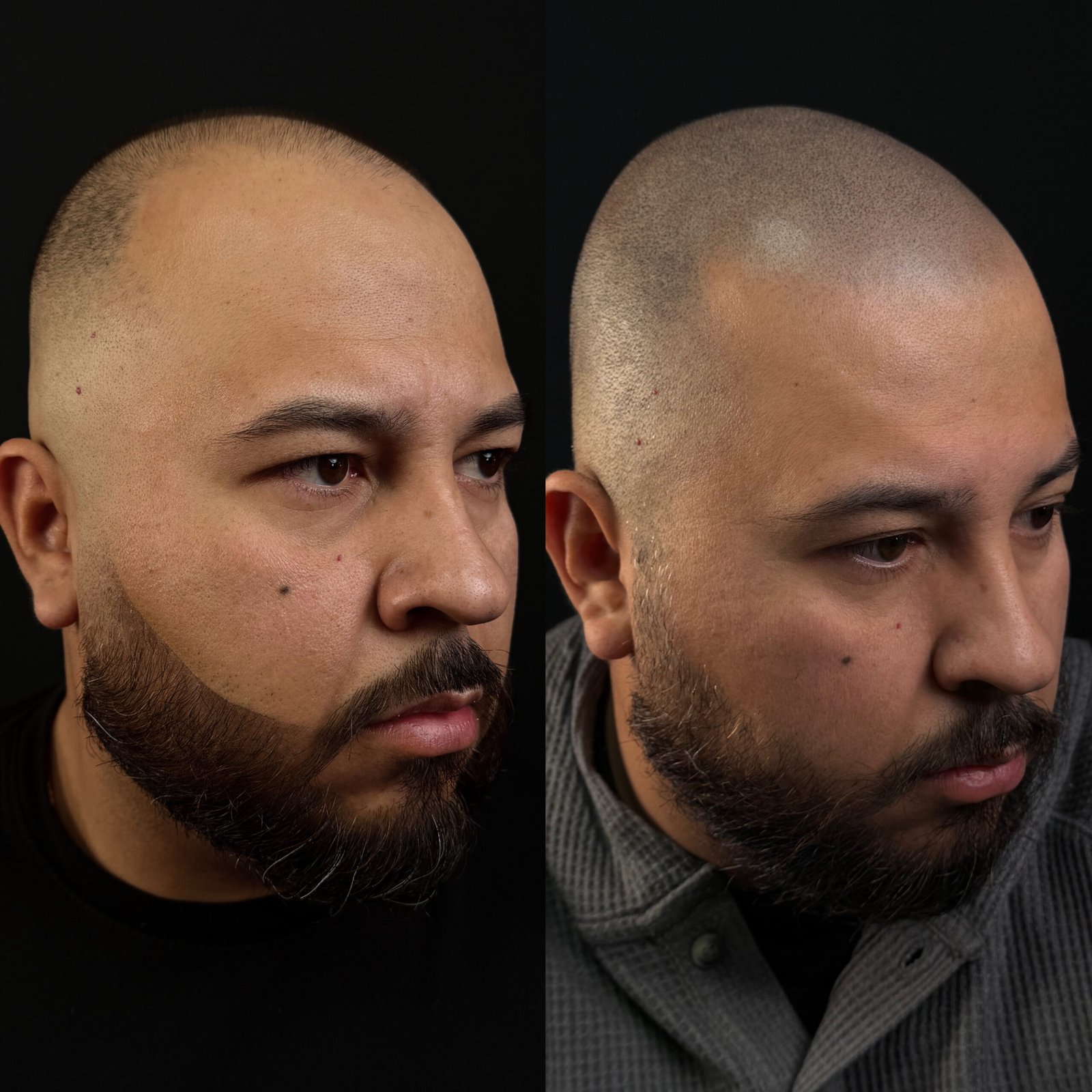
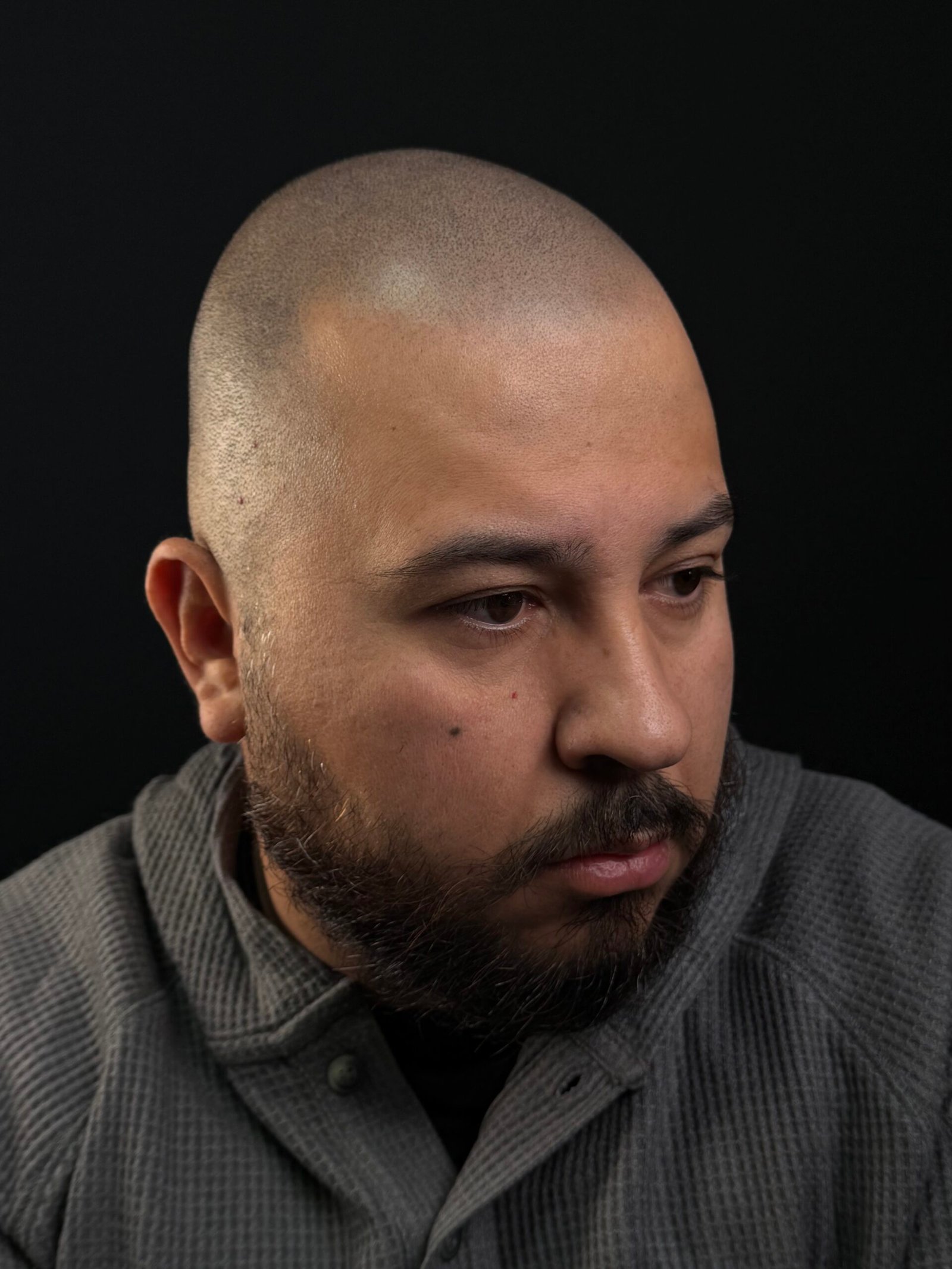
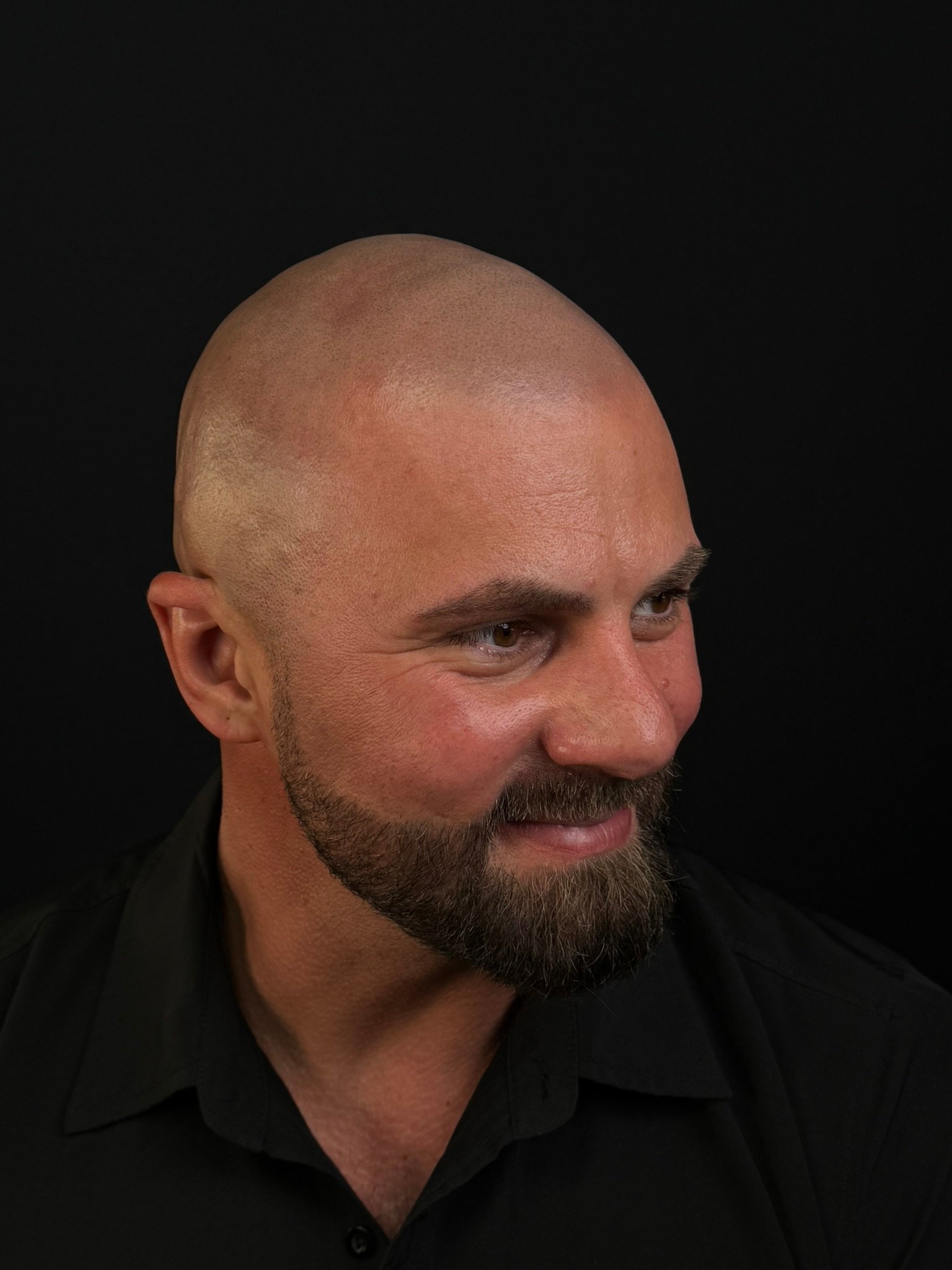
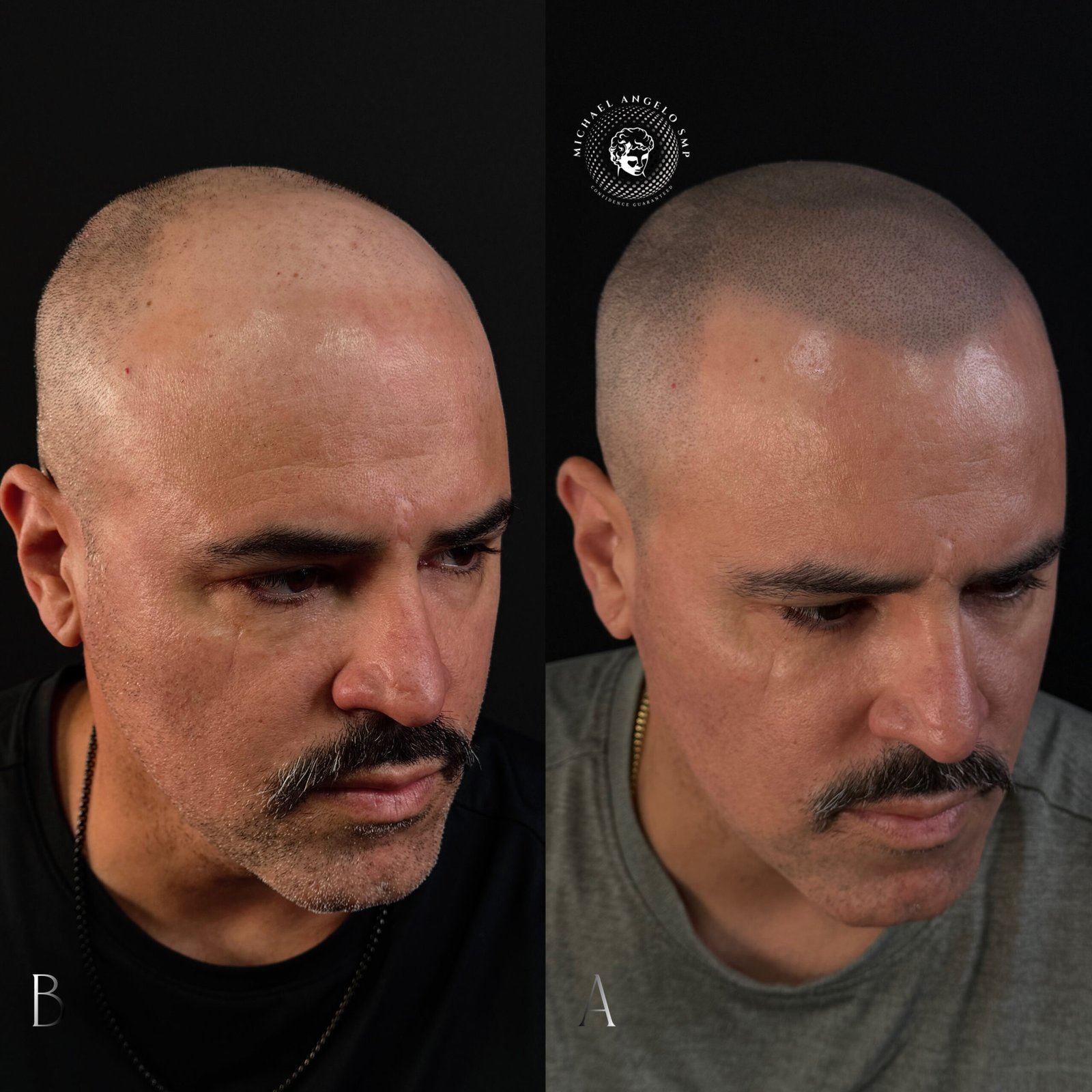
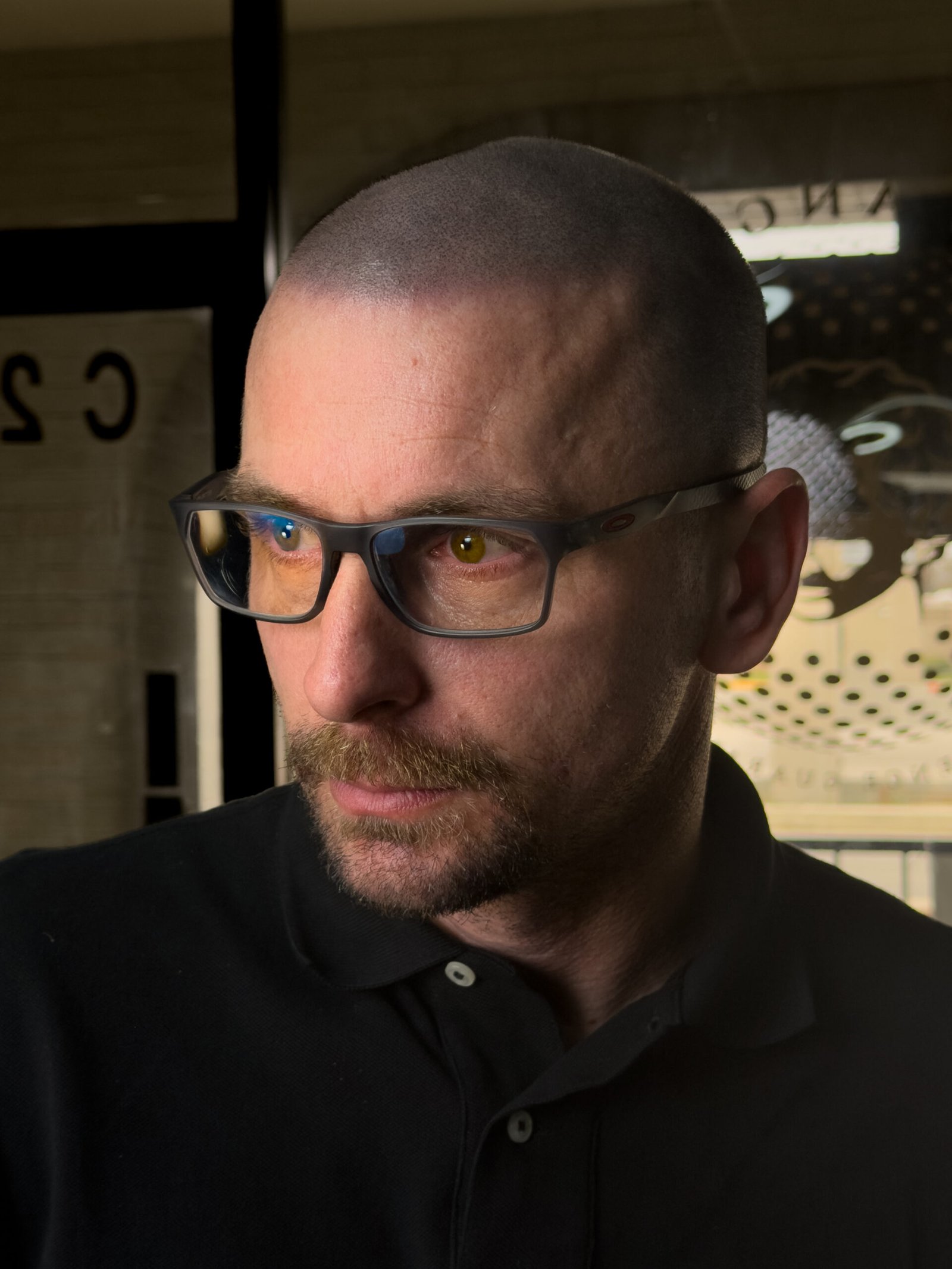
- The close-up below shows the transition between real shaved follicles and SMP impressions.
- Their size, spacing and healed tone should work together, with technique adjusted to the individual scalp.
Tap to enlarge ↗Tap to enlarge ↗Tap to enlarge ↗Tap to enlarge ↗Tap to enlarge ↗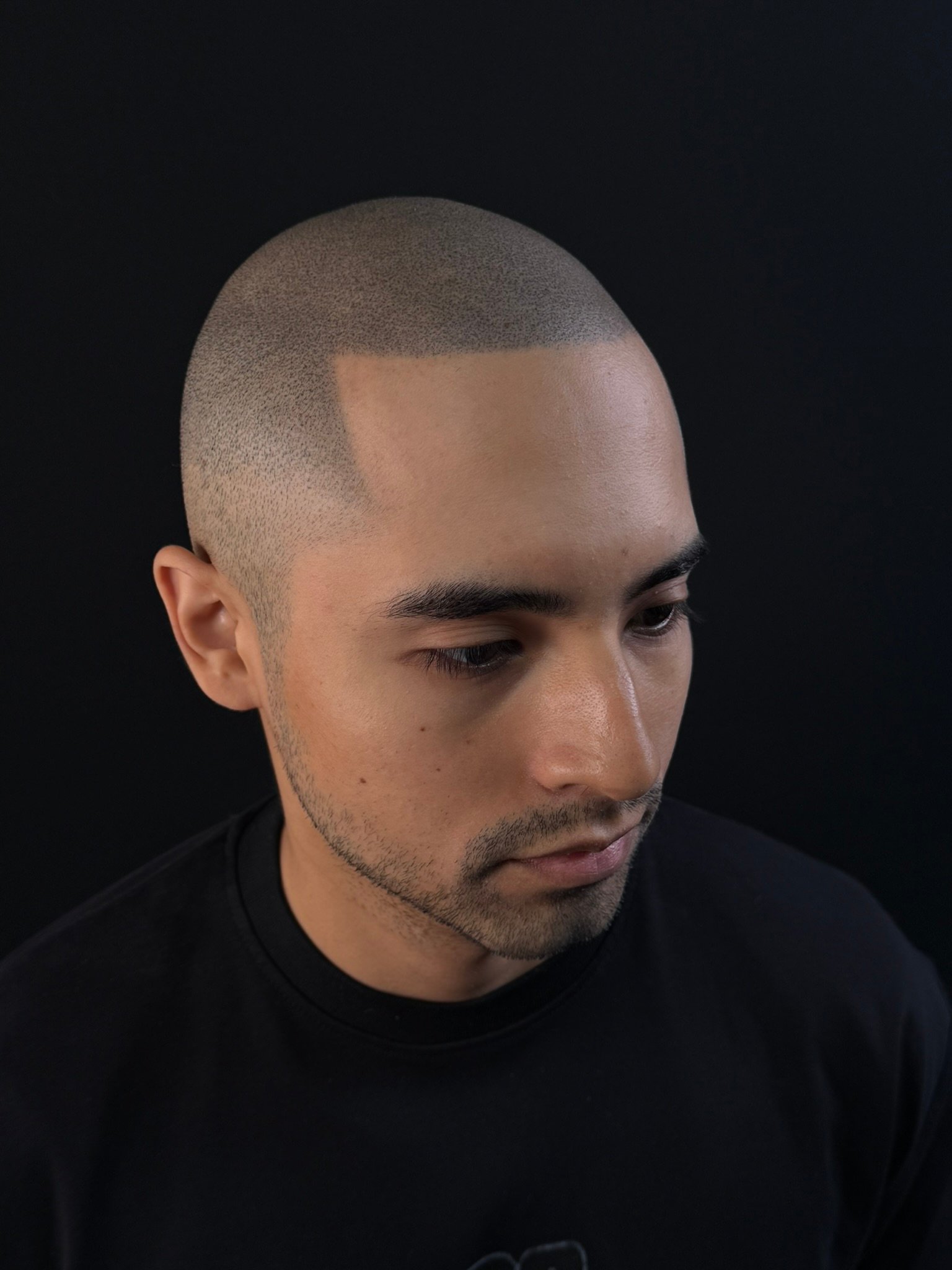 Tap to enlarge ↗Tap to enlarge ↗Tap to enlarge ↗
 Tap to enlarge ↗
 Tap to enlarge ↗
 Tap to enlarge ↗Tap to enlarge ↗Tap to enlarge ↗
 Tap to enlarge ↗Tap to enlarge ↗
 Tap to enlarge ↗
 Tap to enlarge ↗Tap to enlarge ↗
 Tap to enlarge ↗
 Tap to enlarge ↗Tap to enlarge ↗
Pigment planned for the healed result.
The goal is to complement your skin and the appearance of your hair when shaved very short.
Read more about pigment planning
- We select and dilute pigment to complement the visual tone of your hair when shaved very short, rather than matching a long hair strand.
- The expected healed appearance guides those choices.
- Skin tone, remaining follicle density, gray level, treatment area and individual healing response influence the formulation.
- Small adjustments help integrate the pigment with your scalp and remaining hair.
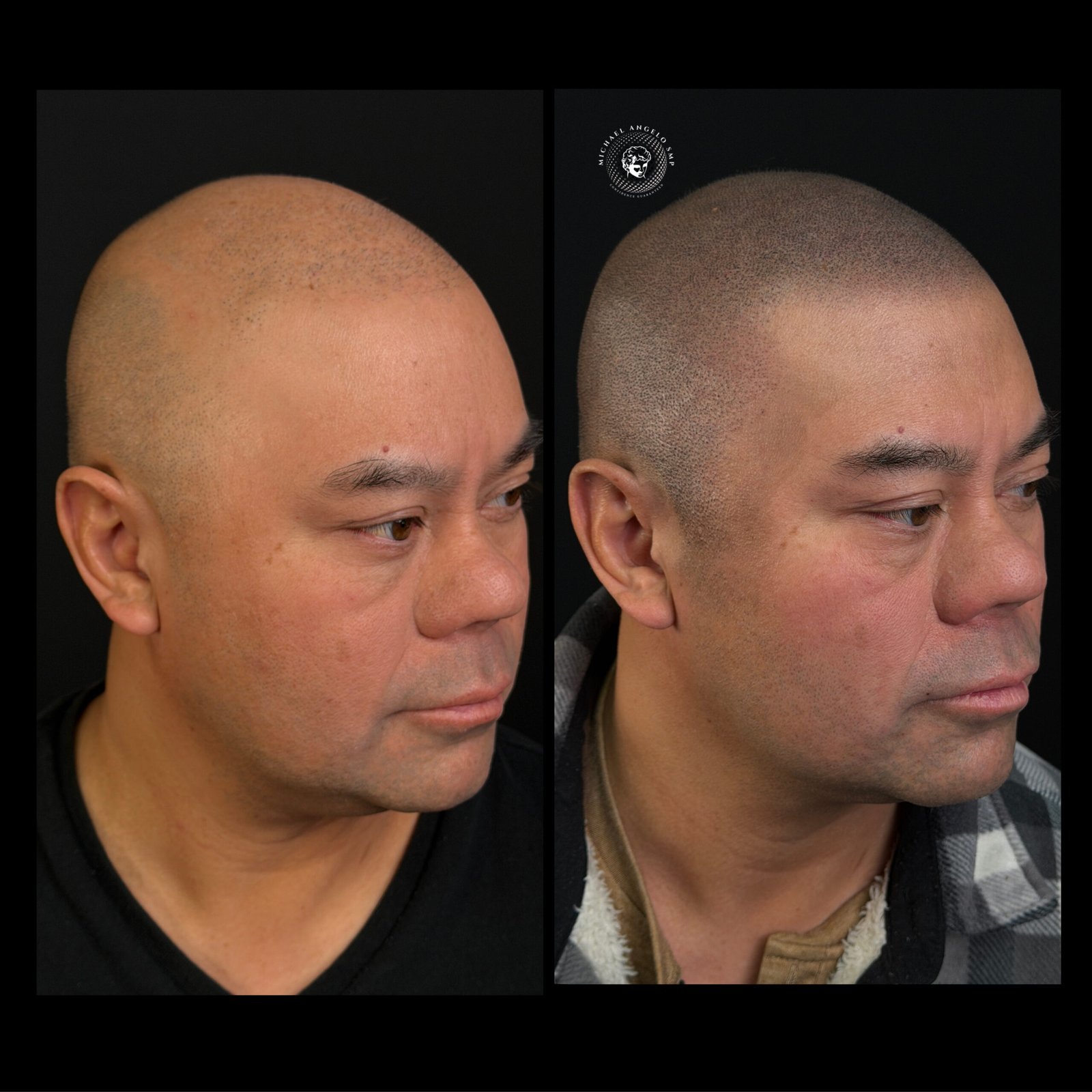
The scalp should read as one pattern.
A tailored transition connects the treated areas with your remaining shaved hair.
Read more about natural blending
Natural blending
- Our eyes detect changes in pattern.
- Adding density only to the most obvious bald area can leave a visible boundary through the middle, crown, sides or back.
- Lighter blending beyond the main treatment area helps connect the reconstructed texture with your remaining hair.
- Your preferred finish may be a fuller blend toward the ears and back or a softer mid-fade.
- An in-person consultation helps us evaluate subtle differences in follicle spacing, density, color and transitions across your scalp.
Choose Your Treatment Pace.
Both approaches work toward the same natural-looking goal. Select a client journey below.
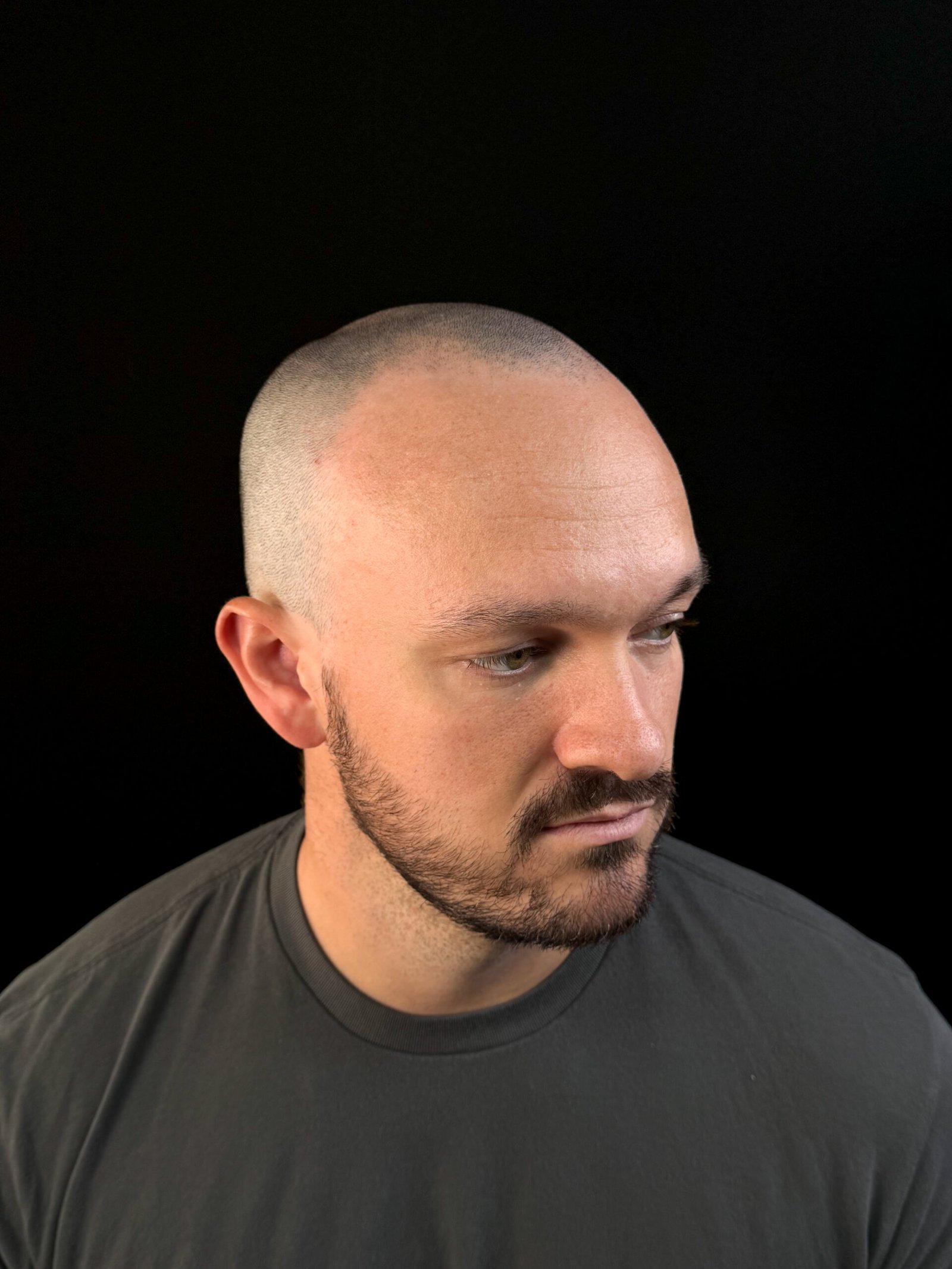
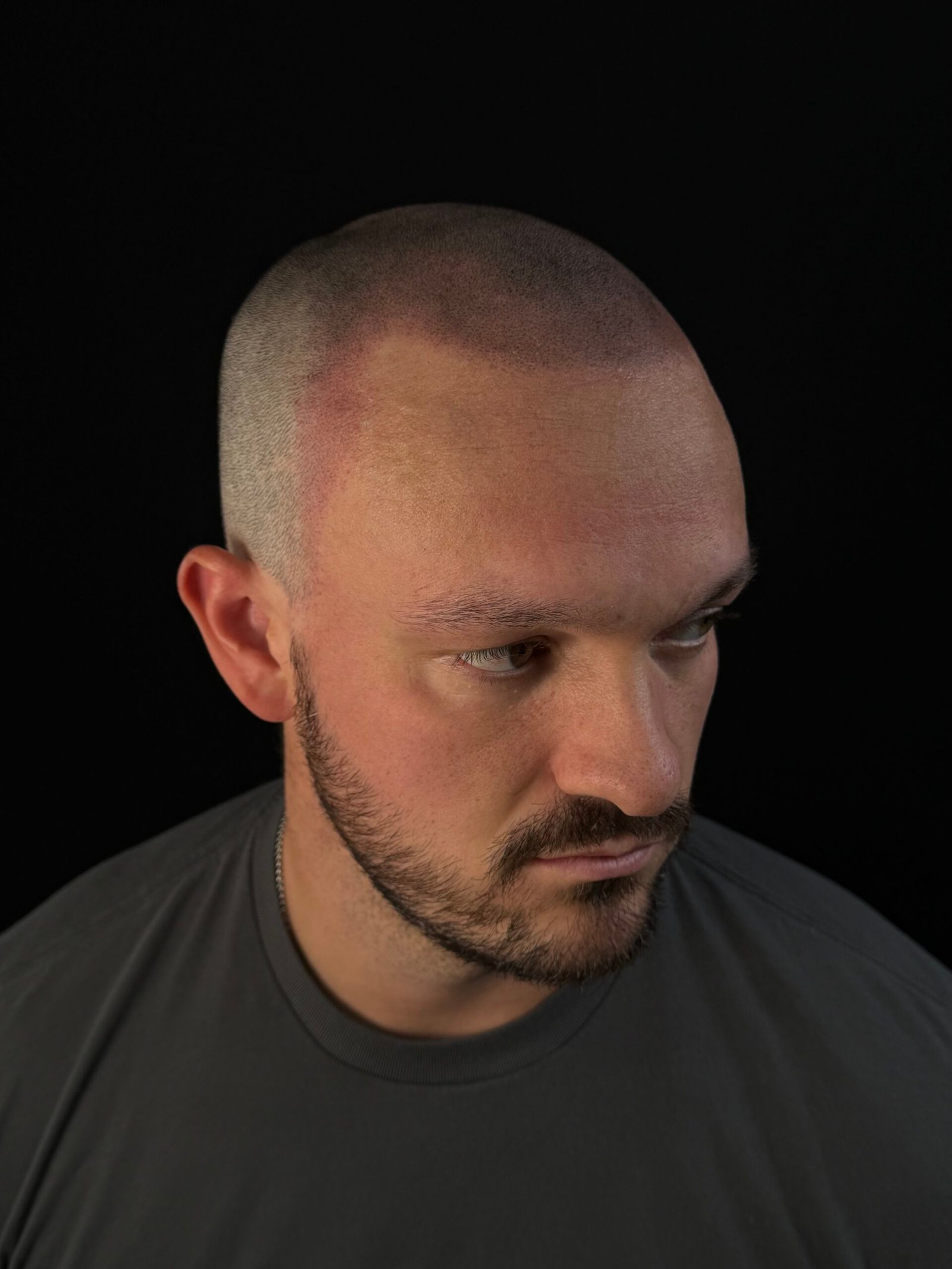
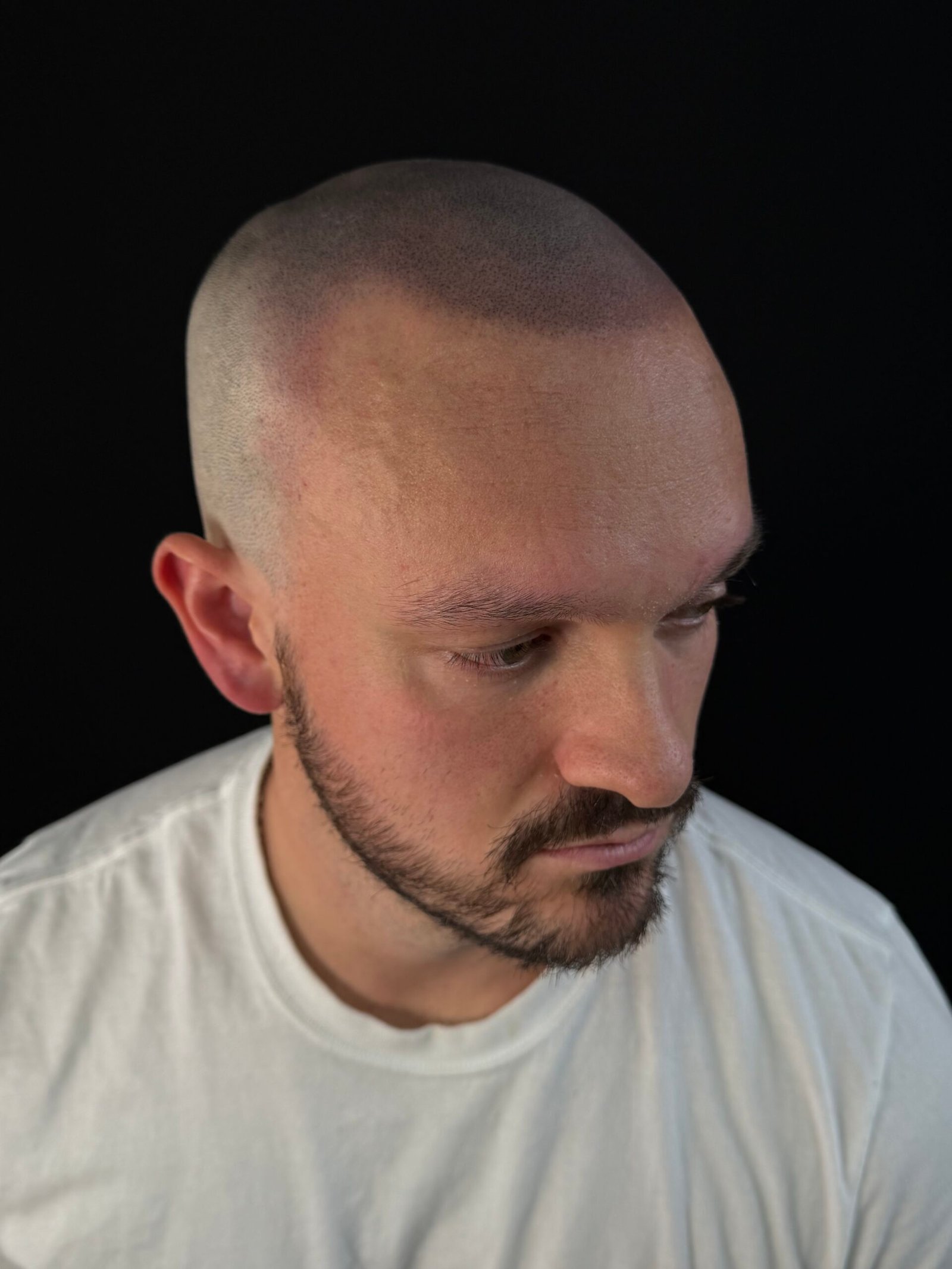
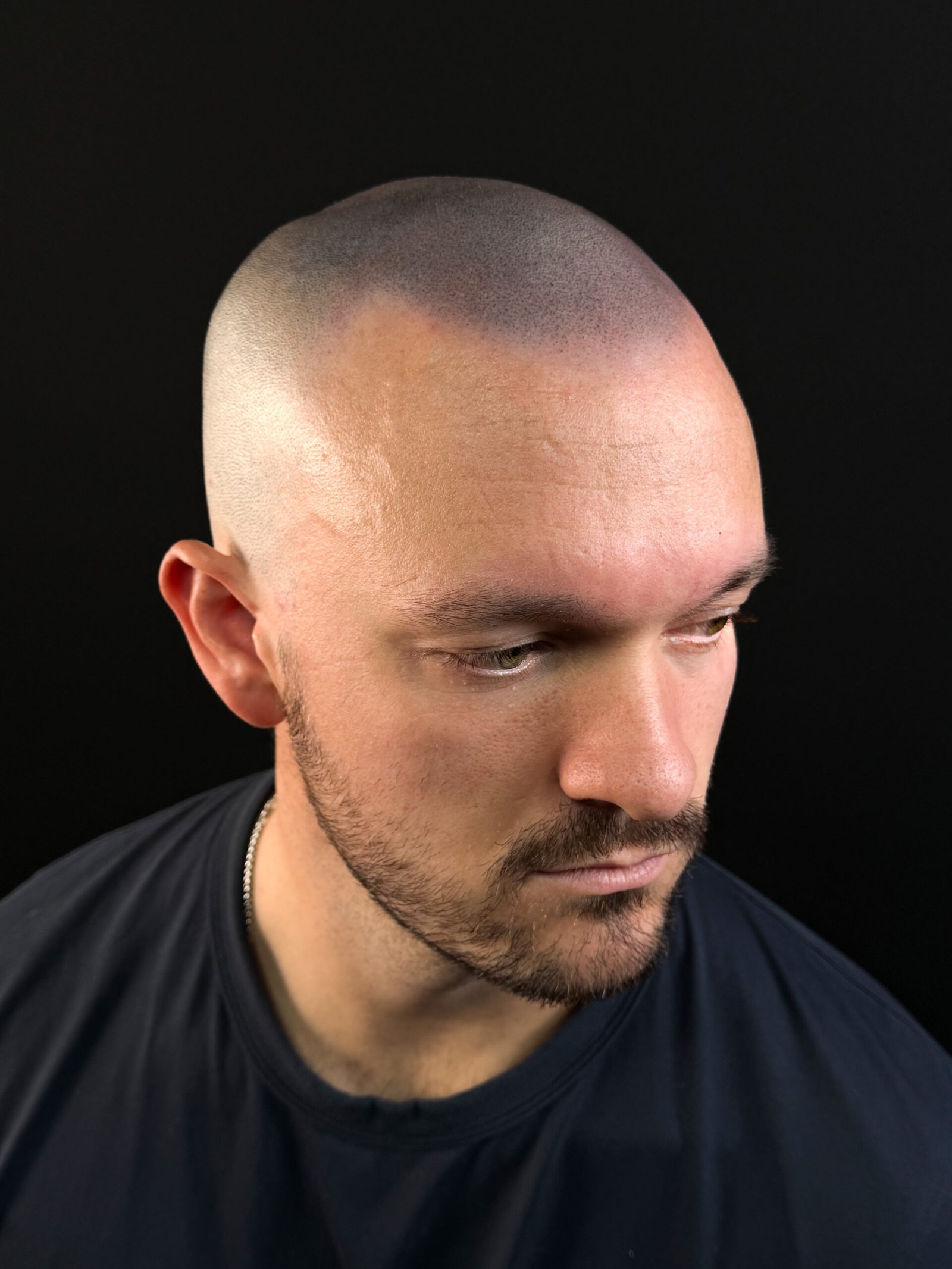
The traditional approach.
A steady build from the first foundation layer to the healed finish.
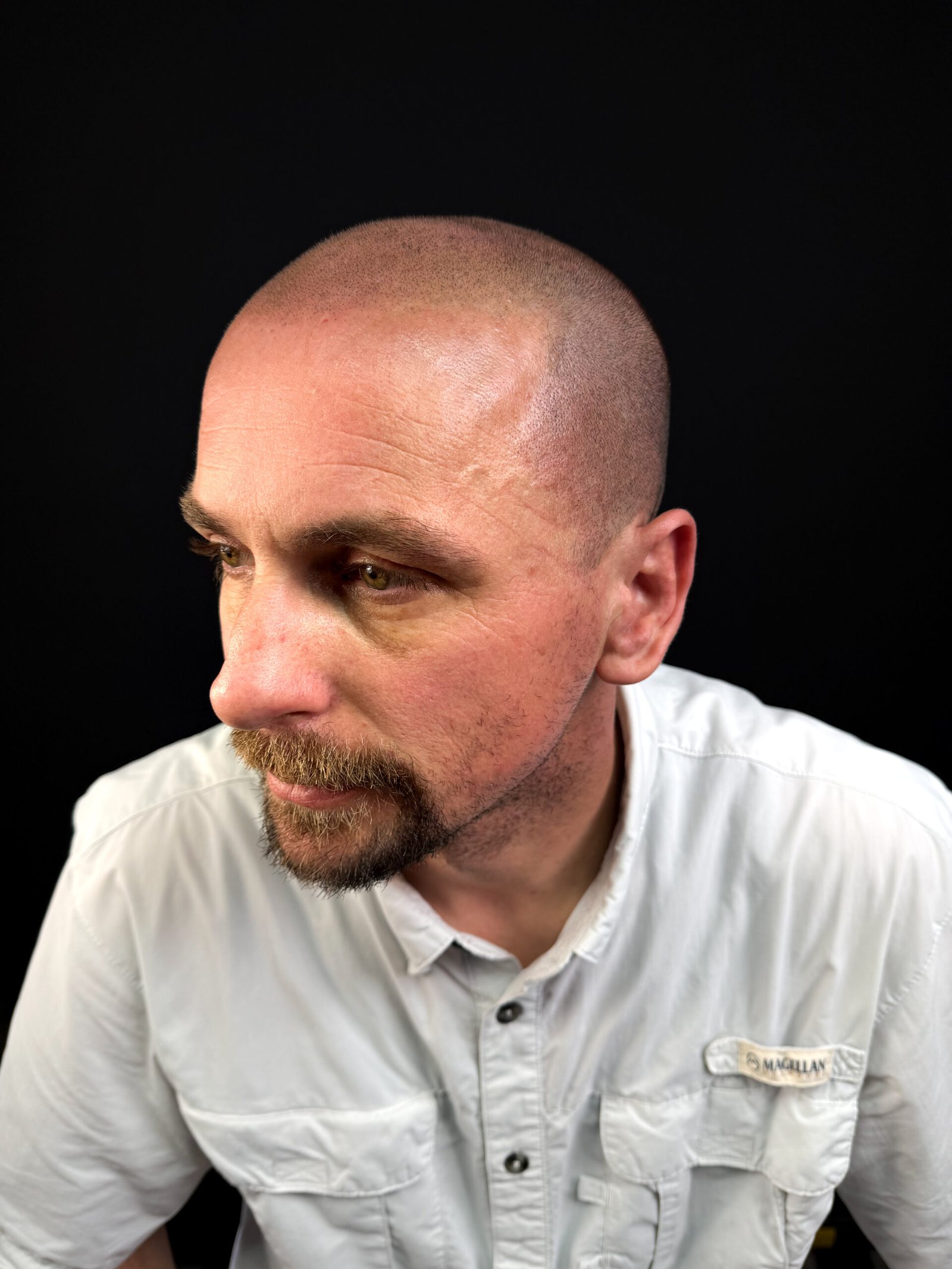
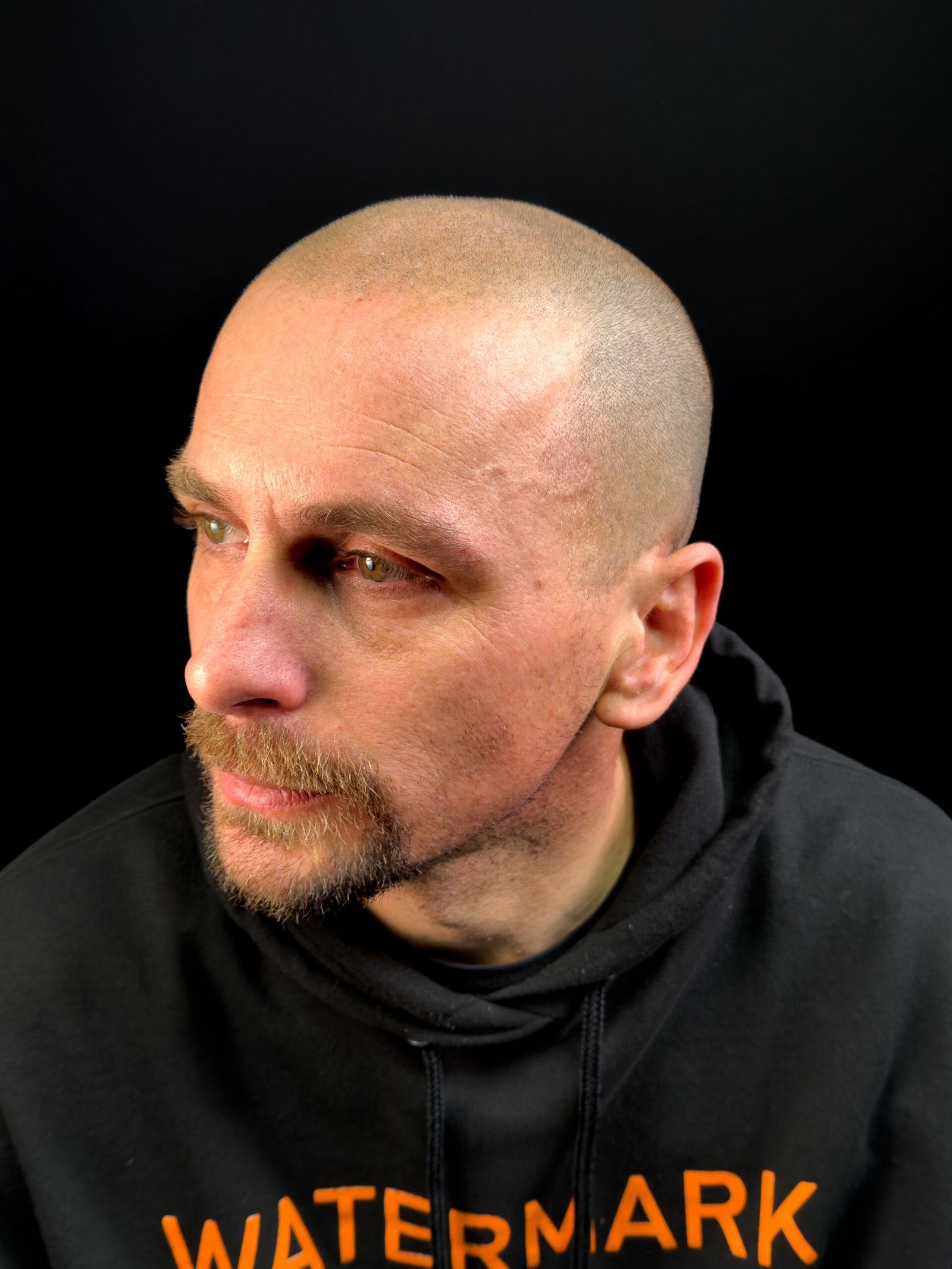
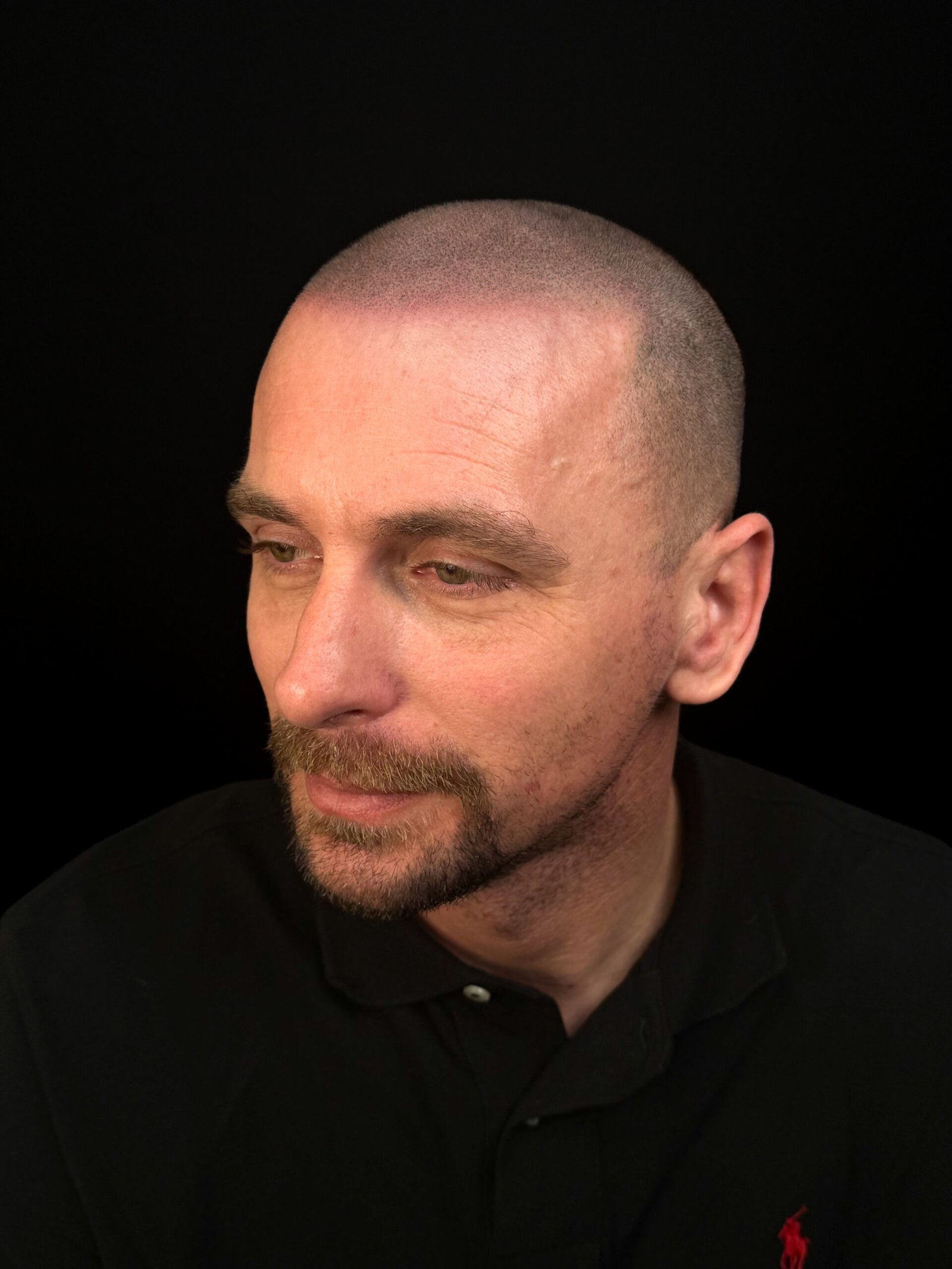
After the final refinements and healing, redness has settled and the completed follicle pattern can be evaluated as a finished shaved-head result.
Your session plan depends on the work required and how your scalp responds.
Play traditional session video
 Tap to enlarge ↗
 Tap to enlarge ↗
 Tap to enlarge ↗
 Tap to enlarge ↗
 Tap to enlarge ↗
 Tap to enlarge ↗
A gradual change at your pace.
More time to get comfortable with a new hairline, with room for your feedback along the way.
The fourth appointment included the final session and checkup, completing this client's SMP.
Read more about gradual pacing
- A gradual approach can suit clients who feel nervous about a new hairline, prefer shorter visits, or want the change to develop around work and public events.
- Coverage and density are added little by little, with room for your feedback.
- Plans often involve four to five appointments, usually one to two hours each, but the pace is individualized.
- The client shown below attended four appointments, including the final session and checkup, with visits lasting approximately two and a half hours.
- A gradual change may feel more manageable.
- How noticeable it is to other people varies.
This client attended four appointments, including the final checkup, at about 2½ hours each. Progress percentages are approximate; other people may notice the change.
Play this client’s video
Every healed session guides the next.
Why healing and refinement matter
Fresh pigment and healed pigment look different.
- Immediately after a session, SMP can appear darker and temporary redness may be visible.
- As the scalp settles, the pigment softens and the retained pattern becomes easier to evaluate.
Do not judge the finished result after session one.
- The first layer is the foundation.
- Later appointments refine density, texture, color and blending according to how your scalp actually healed.
- No two scalps retain pigment in exactly the same way.
- Follow your aftercare, stay in communication with your artist, and allow the work to heal before deciding what needs adjustment.
From consultation to refinement
- ConsultationWe review hair loss, hairstyle goals, existing follicles, hairline preferences and the areas that may need blending.
- Mapping & ColorThe hairline and treatment area are mapped. Pigment is selected around the scalp and the visual tone of the client’s shaved hair.
- First LayerThe initial follicle pattern establishes the direction, spacing and base density of the treatment.
- HealingThe scalp is allowed to settle so retention, healed color and the behavior of the impressions can be evaluated.
- RefinementAdditional density, blending or hairline refinement is added where needed until the agreed treatment is complete.
Complete Treatment. No Per-Session Charges.
Full shaved head SMP is offered as a complete package rather than charging separately for every treatment session. The estimate includes the agreed treatment areas, required sessions to complete that treatment and aftercare. The displayed $2,500–$2,800 range is an estimate; your exact package price and treatment scope are confirmed during consultation. Choosing a slower pace does not add per-session charges.
- Full scalp sections as needed
- Required treatment sessions
- Aftercare included
- Direct artist access
- Free consultation
- Healed-result checkup and treatment follow-ups
Healing, fading and maintenance
Early healing
- Follow the aftercare instructions provided for your treatment.
- Our studio treats the first two weeks as an important healing period.
- Picking, scratching, friction, heavy sweating, excessive moisture and inappropriate products can affect retention.
- Technique, placement, skin response and individual healing also influence the result.
Fading and maintenance
- A general expectation is around 3–5 years before substantial refreshing may be desired, with individual variation.
- We recommend an annual checkup; some clients choose maintenance after one or two years and others go longer.
- Earlier maintenance can require less work than waiting for substantial fading.
- Touch-up pricing is based on the amount of work required, using a percentage-based approach with a $250 minimum.
Sun exposure and scalp shine
- You can live normally.
- Repeated or intense UV exposure can contribute to fading, so protect the scalp during prolonged exposure.
- A suitable mattifying scalp product may reduce shine; some also provide sun protection.
Questions Clients Ask Us Most.
What is shaved-head scalp micropigmentation?+
Shaved-head scalp micropigmentation (SMP) uses tiny pigment impressions to recreate the appearance of closely shaved hair. It can visually rebuild a hairline and blend areas of hair loss with remaining shaved hair. SMP does not grow hair.
How much does shaved-head SMP cost in Austin?+
At Michael Angelo SMP in Austin, Texas, the estimated full shaved-head SMP package is $2,500–$2,800. It includes the agreed treatment areas, required treatment sessions, aftercare and a healed-result checkup. Your exact price and treatment scope are confirmed during consultation; required sessions are not charged individually.
How many sessions does shaved-head SMP take?+
Our traditional approach usually involves 1–3 sessions of around three hours each. Our Slow and Steady approach often involves 4–5 appointments, usually one to two hours each. Your plan is individualized according to the work required, your preferred pace and how your scalp responds.
How long does shaved-head SMP last?+
A general expectation at our studio is around 3–5 years before substantial refreshing may be desired, with individual variation. Some clients choose maintenance after one or two years. We recommend an annual checkup; touch-up pricing depends on the work required, with a $250 minimum.
Will SMP look natural up close?+
- The goal is a healed pattern resembling shaved follicles, rather than a solid block of pigment or an obvious boundary.
- Naturalness depends on impression size, spacing, color, blending and your skin’s healing response.
- Individual results vary.
How short should I keep my hair?+
- Michael Angelo SMP generally recommends shaving to a zero.
- For the most seamless shaved-head blend, our approach usually does not recommend maintaining longer than approximately a 0.5.
Can the hairline be changed later?+
- Some existing SMP hairlines can be modified or expanded, depending on what has already been placed.
- Avoiding an unnecessarily low design preserves flexibility.
- A future hairline redesign is currently treated as a new $800 section.
What if I have had a hair transplant or scalp surgery?+
- Our studio generally requires approximately 12 months of healing before treating the affected area.
- Timing can vary; also follow the guidance of your surgeon or medical provider.
Will other people notice the change?+
- How noticeable SMP is depends on the treatment, your previous appearance and the people around you.
- Gradual pacing may make the transition feel more manageable, but it cannot guarantee that nobody will notice.
Plan Your Shaved-Head SMP.
Review your scalp, hairline goals and treatment options with Angel, owner and lead artist.
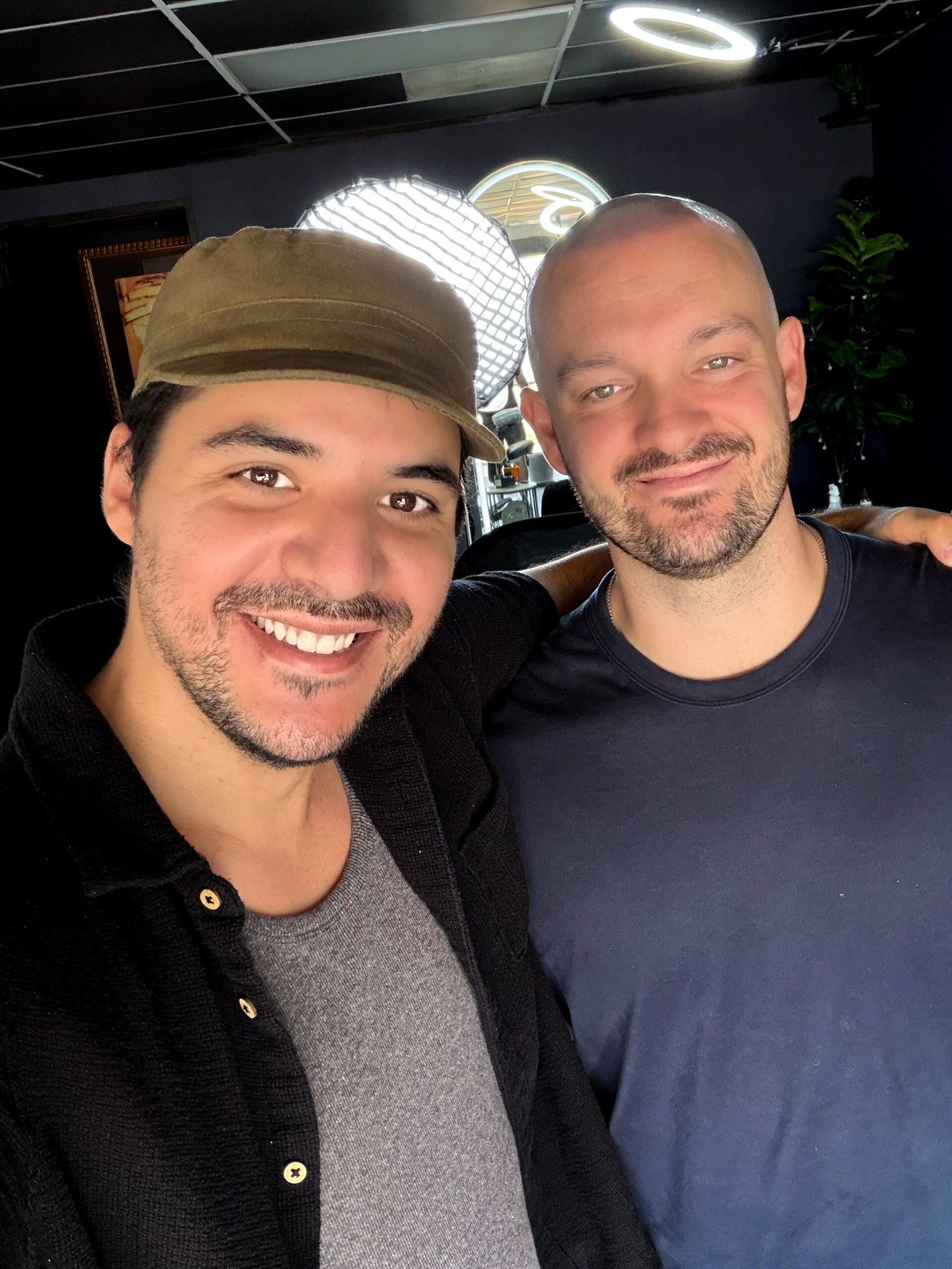
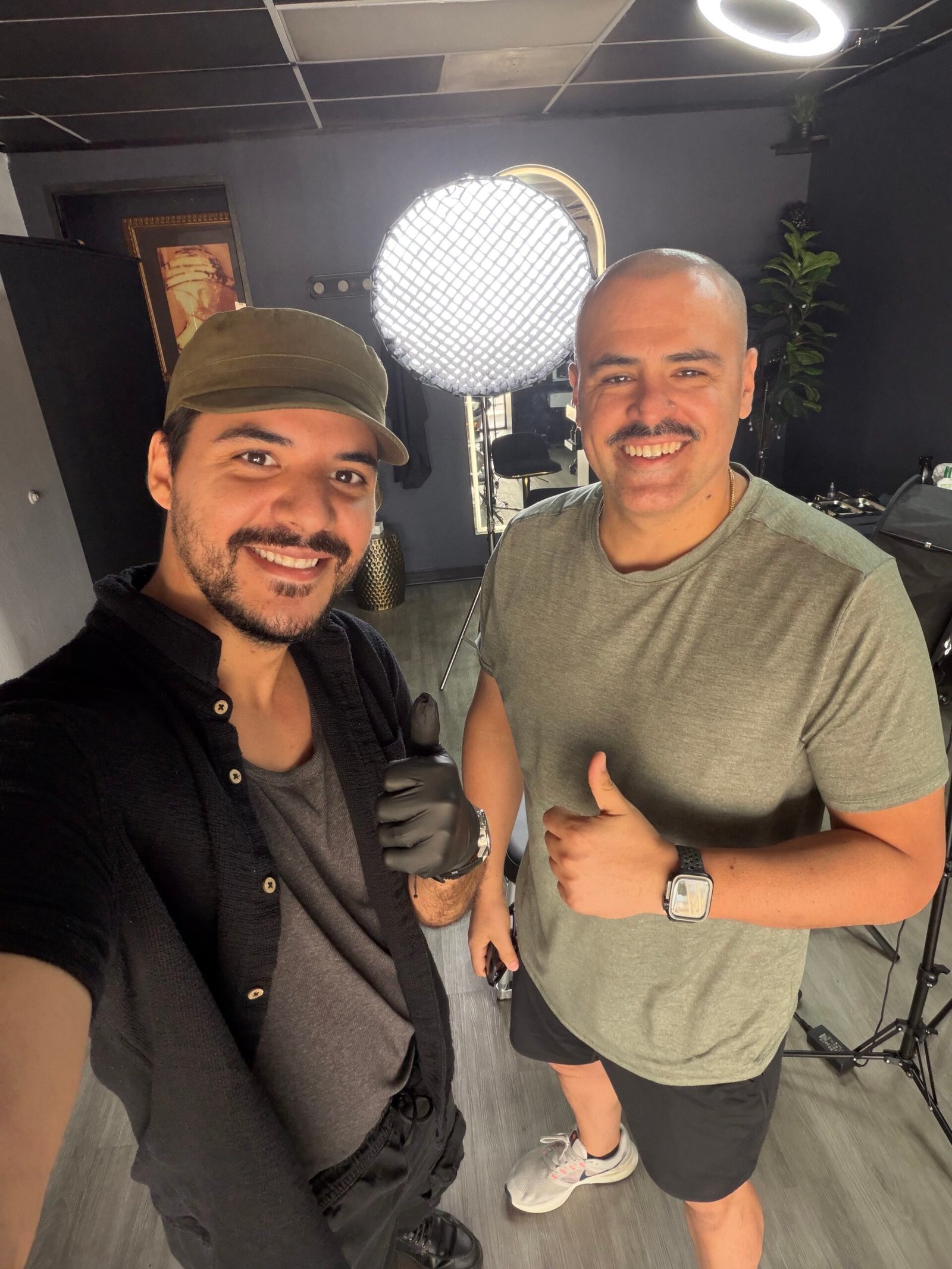
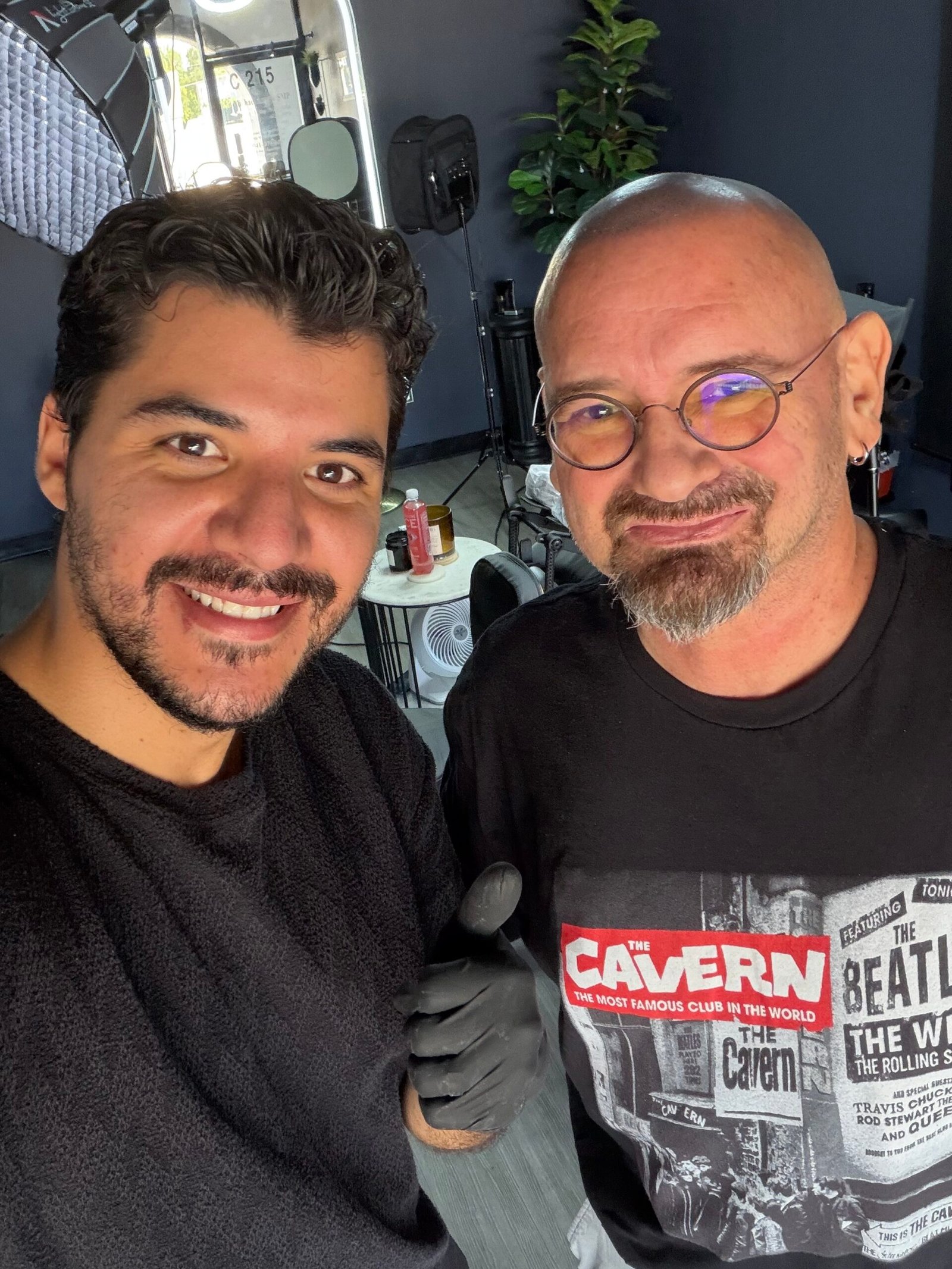
Direct access to your artist.
The treatment is planned around your scalp, remaining hair, lifestyle and expectations.
About the practitioner
Written and reviewed by Michael Angelo SMP, Austin, Texas.
- This guide reflects the treatment-planning approach used at Michael Angelo SMP in Austin, Texas, where Angel is the owner and lead artist.
- The goal of consultation is not to force every client into the same treatment.
- We evaluate your hair loss, remaining hair, lifestyle, future hairstyle and expectations to determine whether shaved-head SMP, density SMP or another approach makes the most sense.